
Claros Technologies and Daikin America Announce Commercial Agreement for Full-Scale Deployment of Permanent PFAS Destruction Technology
Source: PR Newswire
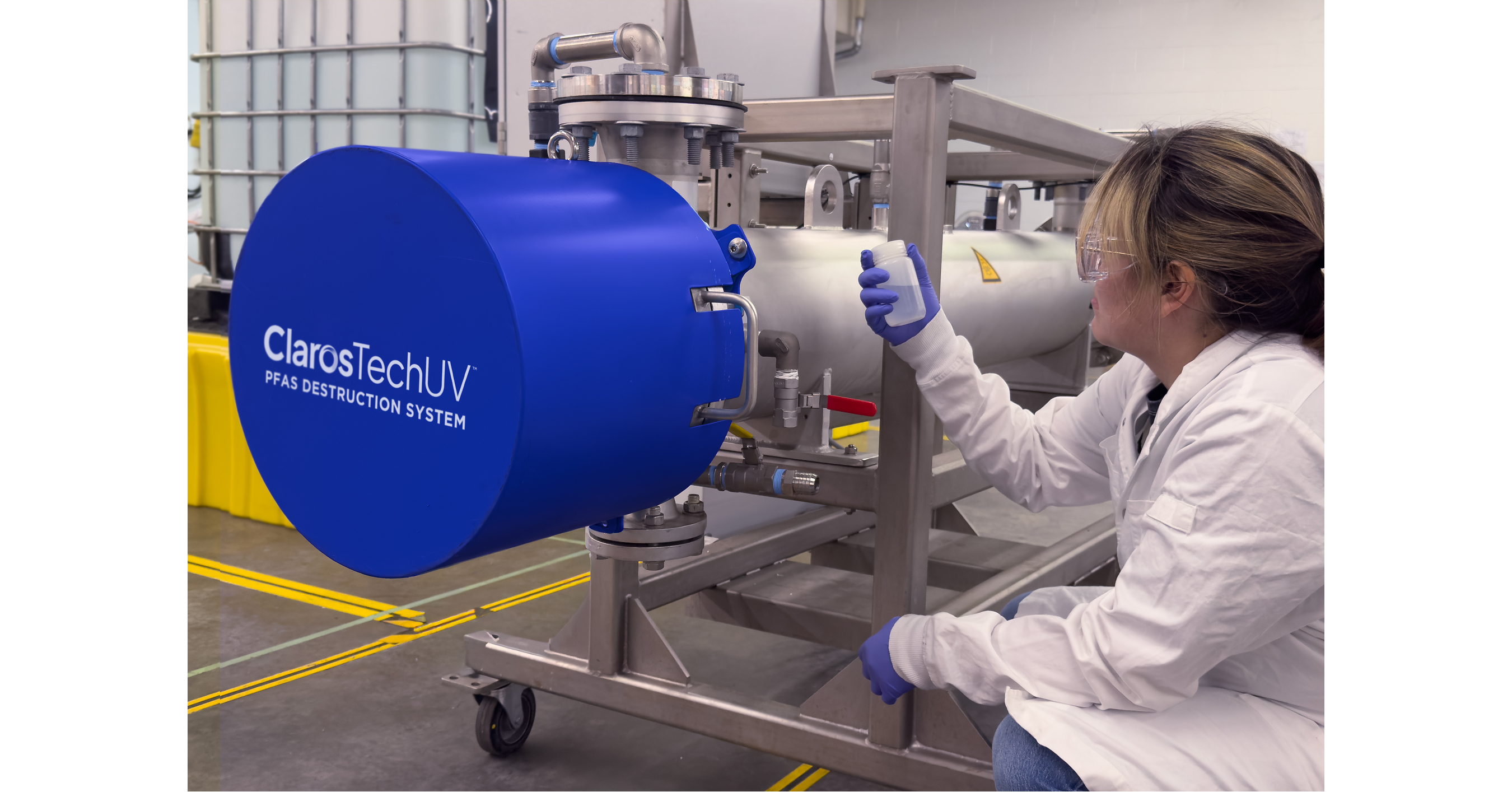
Claros Technologies and Daikin America signed a commercial agreement to permanently deploy ClarosTechUV, a high-flow on-site PFAS destruction system, at Daikin’s Decatur, Alabama manufacturing facility following pilot and optimization phases. Claros states the UV-based platform can permanently destroy 99.99% of target long-, short- and ultra-short-chain PFAS species, including TFA, while ClarosLabs will provide continuous testing and performance verification. The long-term installation is a major commercial validation for Claros and could support additional deployments across Daikin’s global operations as PFAS regulations tighten.
Analysis
The investable signal is less about Daikin’s direct earnings and more about a potential change in PFAS compliance capex: credible point-of-generation destruction could shift spending away from recurring capture, hauling and disposal toward equipment, monitoring and service contracts. This is incrementally constructive for water-treatment and analytical-testing providers with industrial channels—XYL, ECL and VLTO—but the deployment economics, energy intensity, throughput and independently verified destruction byproducts remain undisclosed. Until those data are public, this is validation of a technology category rather than a basis for earnings revisions.
For fluorochemical producers, a scalable destruction route could reduce the probability that regulatory liabilities force abrupt product exits, benefiting 6367 (Daikin Industries) and potentially CC more than diversified 3M, whose PFAS exit strategy limits upside from remediation technology. The second-order negative is for incumbent waste-management economics where PFAS concentrates are transported and destroyed off-site; WM, RSG and CLH face only immaterial near-term exposure, but a distributed on-site model could erode a high-value specialty waste niche over 6-18 months if replicated. Consensus may overread this as a near-term regulatory de-risking event: a single customer installation does not establish permitting portability, lifecycle cost superiority, or insurer/regulator acceptance across sites.
Over the next 1-3 months, the relevant catalyst is disclosure of contract value, capacity, operating cost per treated gallon, third-party effluent testing and whether Daikin commits to additional sites. Over 6-18 months, EPA implementation milestones and litigation settlements are more consequential for sector valuation than this announcement. The thesis is falsified if independent testing shows incomplete mineralization or problematic byproducts, if electricity and maintenance costs exceed off-site disposal economics, or if commercial follow-on orders fail to emerge within 12 months.
AllMind Terminal
AI-powered research, real-time alerts, and portfolio analytics for institutional investors.
Request TrialMarket Sentiment
Overall Sentiment
moderately positive
Sentiment Score
0.62
Key Decisions for Investors
- No standalone trade on this release: Claros is private and neither contract economics nor independently verified operating data support a public-equity earnings estimate.
- Place a 3-6 month watch on long VLTO or XYL versus short WM: initiate only if multiple industrial PFAS-destruction awards disclose scalable economics, targeting a 10-15% relative move with a 5% relative stop. The pair expresses a shift from downstream waste handling toward treatment equipment without taking broad environmental-services beta.
- For Japan exposure, maintain a modest 6367 watch-list long rather than chase: add only on evidence that remediation reduces Decatur-related compliance capex or is expanded across the parent’s fluorochemical network. A 2:1 upside/downside setup requires confirmation that incremental remediation spend is below existing reserve or capex assumptions.
- Monitor CC credit spreads and PFAS settlement/regulatory milestones rather than buy equity on technology optimism. A durable on-site destruction alternative could improve long-tail liability perception, but any trade requires confirmation that the technology is accepted by regulators and can address legacy as well as process-related contamination.
More News
- U.S. market regulator seeks to make it easier for funds, advisers to hold crypto
- Trump launches midterms campaign blitz amid record low approval ratings
- Nvidia Faces Questions Over China AI Chip Smuggling Cases
- $8.2B acquisition validates AI-picked chip stock: +20% since June
- Nike Warns Sales Slump Will Worsen This Fiscal Year
- Nuveen CEO on Schroders Deal, Plans for Combined Company