
XCMG predstavuje novú generáciu ťažkého nákladného vozidla na alternatívny pohon pre diaľkovú nákladnú dopravu
Source: PR Newswire
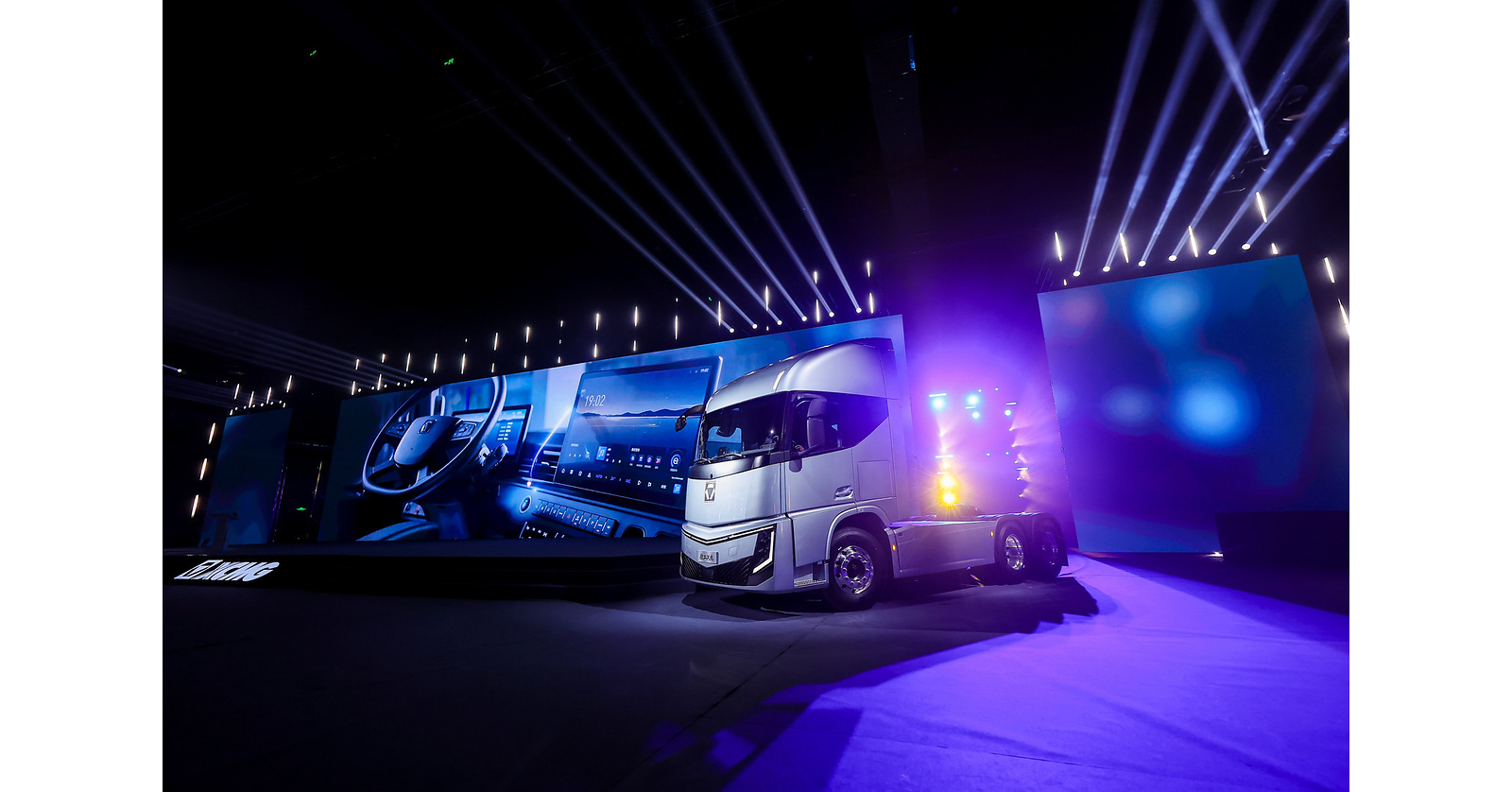
XCMG launched its Hanjing alternative-energy heavy truck for long-haul freight, featuring an 800V architecture capable of charging from 20% to 80% in under 20 minutes. The vehicle completed a 24-hour, 2,198-km endurance test at a fully loaded 49-ton gross vehicle weight and incorporates an integrated electric drive axle, thermal battery protection and connected-fleet management. XCMG ranked first in China for alternative-energy heavy-truck and tractor sales from January through July 2026, while an Indonesian mining customer ordered an additional 100 vehicles after purchasing more than 150 battery-powered dump trucks.
Analysis
The relevant market signal is not a single OEM launch but the migration of Chinese battery-electric heavy trucks from captive, fixed-route use toward addressable long-haul fleets. If charging uptime and residual values prove viable, the competitive moat shifts from powertrain hardware to depot/grid access, route-density data and bundled fleet-service economics. This favors charging-equipment and grid-infrastructure suppliers such as TGOOD (300001.SZ), Star Charge private-market peers, and battery makers with heavy-duty validated cells, including CATL (300750.SZ), over legacy diesel-centric component suppliers.
Near term, there is no clean public-equity catalyst from the announcement itself: specifications and endurance tests are company claims, while unit economics depend on delivered vehicle price, battery warranty, electricity tariffs, megawatt-charger utilization and fleet financing. Over the next 1-3 months, monitor Chinese heavy-truck NEV registration data, announced fleet orders with deposits, and megawatt-charging site deployments; these are more investable confirmation points than launch rhetoric. A weak freight-rate environment could paradoxically slow adoption despite lower operating cost, because owner-operators prioritize upfront capital and financing availability.
The second-order pressure is on Chinese diesel truck OEMs and engine suppliers—Weichai Power (2338.HK/000338.SZ) and Cummins (CMI) in export-exposed markets—if fleet buyers begin treating electric trucks as a total-cost-of-ownership product rather than a compliance purchase. The contrarian view is that long-haul adoption remains constrained by charger queueing, grid interconnection delays and payload/range trade-offs; a 20-minute charge specification has limited value absent reliable megawatt capacity at both ends of a route. That makes infrastructure utilization, rather than truck delivery volume, the key earnings variable over 6-18 months.
AllMind Terminal
AI-powered research, real-time alerts, and portfolio analytics for institutional investors.
Request TrialMarket Sentiment
Overall Sentiment
strongly positive
Sentiment Score
0.58
Key Decisions for Investors
- No immediate directional trade on this launch; set an alert for two consecutive months of accelerating China NEV heavy-truck registrations and disclosed long-haul fleet orders. Treat confirmed order conversion—not demonstrations—as the trigger.
- Build a 6-12 month watchlist long in CATL (300750.SZ) versus short Weichai Power (2338.HK) only if heavy-duty NEV penetration exceeds prior-year levels by at least 5 percentage points and diesel-engine order guidance weakens; thesis fails if battery pricing declines faster than volume growth or diesel exports offset domestic erosion.
- Prefer charging/grid exposure over truck OEM exposure after verified deployment: accumulate TGOOD (300001.SZ) on evidence of contracted megawatt-charger installations and rising utilization. Risk/reward depends on grid-connection capex and payment terms; avoid if receivables expand faster than revenue.
- Monitor CMI as a 12-18 month relative-value short candidate against electrification beneficiaries if Chinese OEM exports gain share in Southeast Asia and Africa. Cover on evidence that alternative-fuel trucks remain confined to subsidized routes or if CMI's power-generation demand offsets on-highway engine weakness.
More News
- Taiwan benchmark Taiex rises to record intraday high as tech stocks advance
- AMD joins the $1 trillion club as chip rally surges - our AI Strategy saw it early
- Latest Oil Market News and Analysis for Sept. 22
- Oil Settles Near $100 as Hormuz Flows Stunt Rally
- Here's who we know is going to the Trump-Xi dinner so far
- How a Bangladeshi garment-maker is fighting the Middle East energy crunch