
Yucca Valley Material Lab Launches Public Phase of $1.5 Million Campaign for Creative Access
Source: PR Newswire
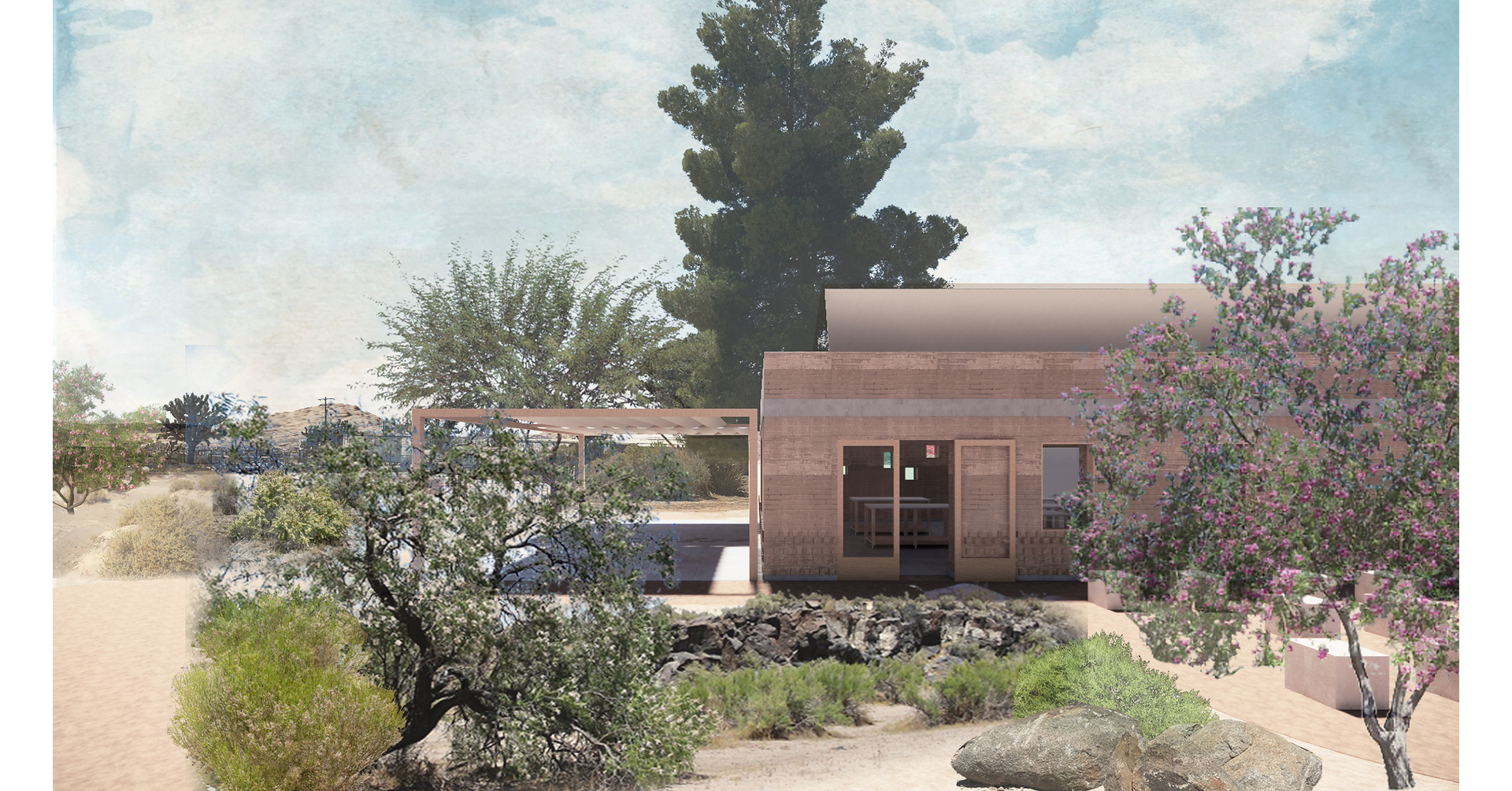
Yucca Valley Material Lab launched the public phase of a $1.5M Campaign for Creative Access, having already raised $1.2M (over 80%) and now seeking the remaining ~$285k to build a permanent, ADA-accessible, all-electric adobe arts facility. The ~1,700 sq ft Sustainable Studio is projected to cut annual energy use by ~67% and operational carbon emissions by ~75% versus a conventional code-minimum building. The project also received a $100k Helen Frankenthaler Climate Initiative grant (plus a $40k ADA improvement grant from the Christopher & Dana Reeve Foundation). Overall, this is positive/mission-driven but unlikely to materially impact public markets.
Analysis
This is not a directly investable event for public equities in size terms. The project is too small to move regional utilities, contractors, or climate-tech names on its own; the only plausible market read-through is as a proof point for desert-adapted, low-energy building methods, which supports the narrative around passive cooling and nontraditional materials but does not yet create a revenue pool.
If there is any ticker-level implication, it is a very faint long-duration one for California water and desert infrastructure proxies such as CWT: incremental civic and cultural build-out in constrained water geographies can eventually support demand for utility services and localized capex, but this one project is immaterial to earnings. The more relevant second-order effect is competitive signaling for architects, materials firms, and green-building consultants: if these projects proliferate, they could modestly pressure conventional code-minimum construction economics in hot-climate markets over 6-18 months.
The contrarian view is that the market may overread grant-backed sustainability language as a catalyst for climate stocks. Without a repeatable pipeline of projects, verified operating savings, and public-sector adoption, this remains a philanthropic case study, not a scalable industry shift. Falsifiers for any climate-construction read-through would be lack of follow-on funding, construction delays, or no evidence that similar projects are being commissioned by municipalities, universities, or REITs.
AllMind Terminal
AI-powered research, real-time alerts, and portfolio analytics for institutional investors.
Request TrialMarket Sentiment
Overall Sentiment
neutral
Sentiment Score
0.10
Key Decisions for Investors
- No immediate trade: treat this as non-actionable for listed equities unless a larger pipeline of desert climate-adaptive projects emerges.
- Add CWT to a watchlist only if regional development or municipal capex in the Morongo Basin accelerates; otherwise the earnings impact is too small to matter.
- Monitor green-building and passive-cooling beneficiaries only as a thematic screen, not a catalyst trade; require evidence of repeat orders before taking exposure.
- If a broader wave of similar projects appears, consider a small long basket in climate-resilient building proxies versus traditional construction names over 6-12 months; absent that, stay flat.
More News
- Blackstone President Jon Gray Bets Big on AI Boom
- What's behind the sell-off in AI neocloud stocks like CoreWeave and Nebius
- Ukraine to resume strikes on Russian refineries, shattering hopes of an 'energy ceasefire'
- SK Hynix plunges 8% amid Asia tech rout as Fed rate hike fears, AI funding worries mount
- Trump administration advances plan for peptide drugs favored by RFK Jr.
- TSMC chip capacity is ‘fierce’ battleground for AI customers, amid record quarter