
Lucid und Bolt schließen Partnerschaft für autonome Mobilität in Europa
Source: PR Newswire
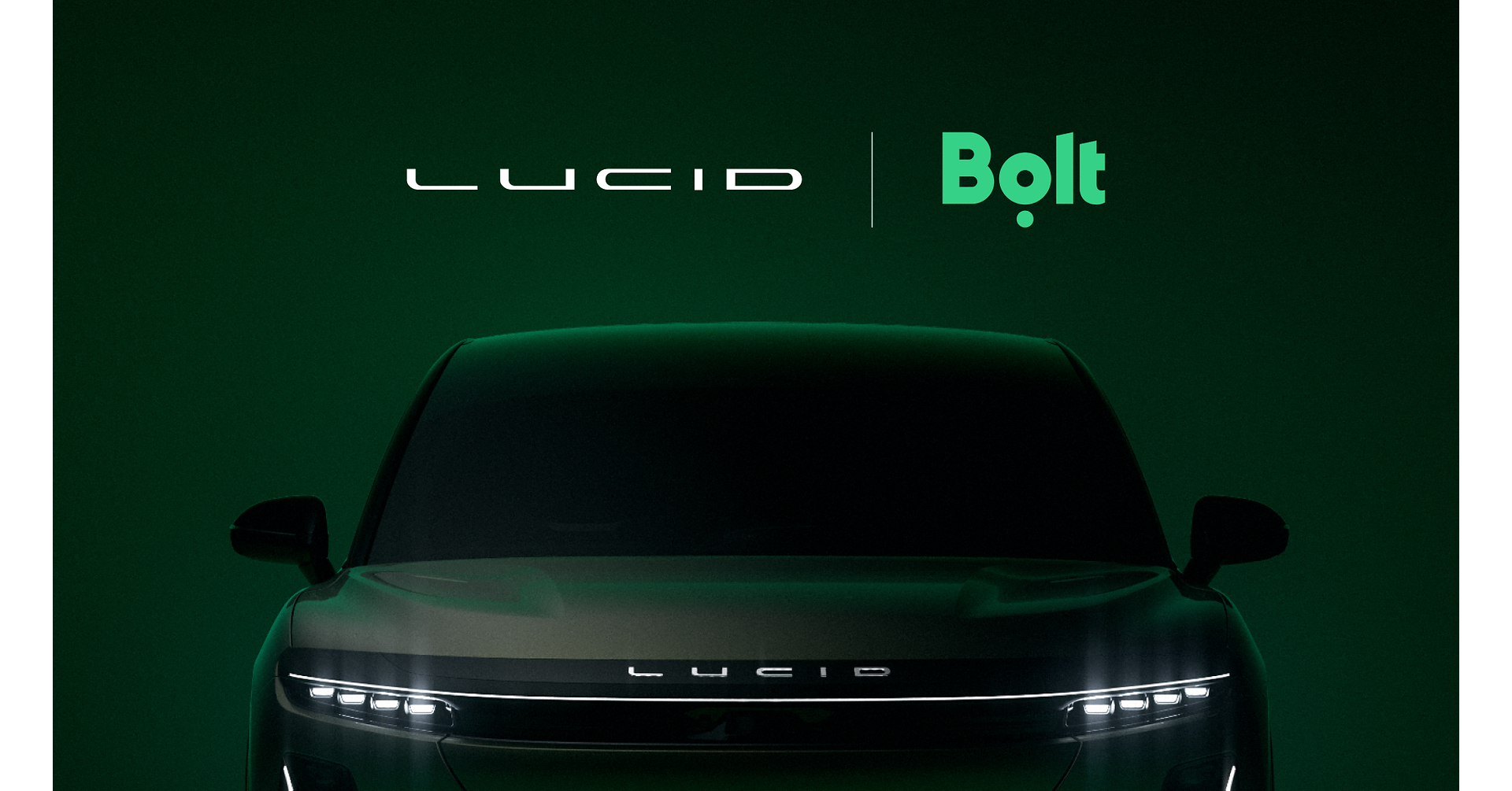
Lucid und Bolt haben eine strategische Partnerschaft für autonome Mobilität in Europa geschlossen, unter der Bolt mindestens 25.000 autonome Lucid-Midsize-Fahrzeuge in europäischen Städten einsetzen will. Die geplante SAE-Level-4-Flotte soll auf NVIDIAs Hyperion-Architektur basieren; Bolt will die Fahrzeuge besitzen, betreiben und die Flotteninfrastruktur aufbauen. Für Bolt ist dies ein Schritt zum Ziel von 100.000 autonomen Fahrzeugen auf seiner Plattform bis 2035, während Lucid seine KI-, ADAS- und Autonomietechnologien über das Privatkundengeschäft hinaus kommerzialisieren will.
Analysis
LCID’s equity value is unlikely to re-rate materially on a non-binding fleet ambition: the economic variables that matter—vehicle pricing, deposits/prepayments, minimum purchase commitment, software revenue share, and launch date—are absent. The potential strategic benefit is nevertheless meaningful: a purpose-built fleet channel could improve utilization of Lucid’s next platform and shift the narrative from low-volume premium EV demand to contracted B2B production. That only becomes financeable evidence when management discloses backlog conversion and incremental gross-margin economics; absent those, this is primarily a multi-year option rather than a near-term earnings catalyst.
Bolt retaining fleet ownership limits Lucid’s recurring mobility upside and concentrates financing/residual-value risk at Bolt, but it could make Lucid a higher-margin hardware/software supplier if vehicle specification is standardized. European Level-4 deployment is likely constrained by city-by-city permitting, liability frameworks, mapping/remote-assistance requirements and operating-domain restrictions; meaningful fleet revenue should be modeled beyond 2028, not into the next 12 months. Incumbents with deployed autonomous stacks and fleet partners—MBG.DE, VOW3.DE/MOIA, UBER, and Waymo’s parent GOOGL—retain advantages in regulatory evidence and operational learning curves.
NVDA has negligible direct revenue sensitivity from this program relative to its data-center base, but Hyperion design wins reinforce the strategic value of an automotive reference architecture. The contrarian point is that standardized sensor/compute architectures can commoditize vehicle hardware and leave economics with the autonomous-driving software and dispatch platform; LCID needs to establish ownership of software monetization rather than merely provide an integrated chassis.
Near-term LCID upside may be sentiment-driven and vulnerable to a reversal if no commercial terms appear by the Midsize-platform reveal or the next two earnings calls. Falsify a constructive view if management cannot quantify fleet-related capex, customer commitments, expected production timing, or if cash burn/gross-margin guidance deteriorates while autonomous R&D rises.
AllMind Terminal
AI-powered research, real-time alerts, and portfolio analytics for institutional investors.
Request TrialMarket Sentiment
Overall Sentiment
moderately positive
Sentiment Score
0.62
Ticker Sentiment
Key Decisions for Investors
- Do not chase LCID on the announcement. Maintain a watch-only stance until a binding purchase agreement, deposits, unit economics and first-delivery timing are disclosed; initiate only if contracted volume supports a credible utilization uplift without raising cash-burn guidance.
- For a high-risk tactical expression, consider a small LCID call spread 9-15 months out rather than common equity, entered after post-news volatility normalizes. Target a 2-3x payoff only on disclosed commercial commitments; premium paid is the predefined loss.
- Avoid treating NVDA as a tradable beneficiary of this specific partnership. Retain NVDA exposure only through the broader automotive/physical-AI thesis; a disclosed large multi-OEM Hyperion order book would be the required catalyst for incremental positioning.
- Monitor UBER and GOOGL for European autonomous-mobility partnership or regulatory milestones over the next 6-18 months. A rapid permitting pathway for Bolt would validate European robotaxi optionality, but would also intensify competition for platform economics rather than uniquely benefit LCID.
More News
- Lucid Done Working With AlixPartners, CEO Says
- Labor crisis in U.S. chip manufacturing leaves Samsung, TSMC desperate for talent
- Billions Pour Into AI as Manus Rebounds and Huawei Speeds Chips
- Google, Nvidia and Anthropic want Emerald AI to find space on the grid for more data centers
- Why is Lucid stock rallying today?
- Nvidia, AMD, Intel stocks rise after Fed hike: why obvious bearish case is failing