

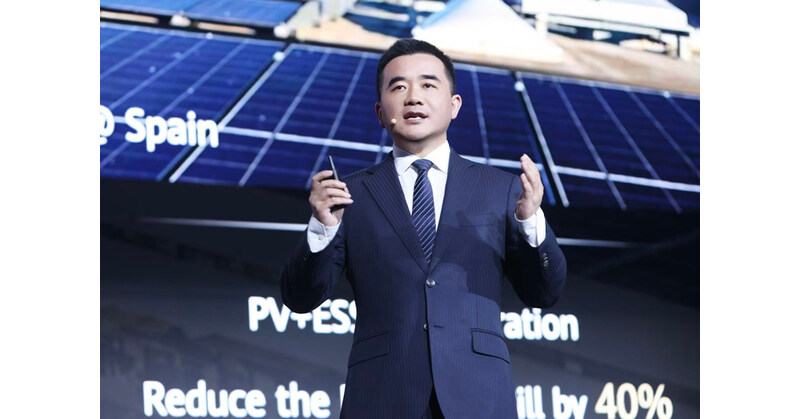
Huawei lancia la sua strategia grid-forming per futuri sistemi elettrici per aumentare la stabilità della rete con alta penetrazione di eolico e solare (attesa al 64% entro il 2030 in Europa). La società sostiene che funzionalità grid-forming chiave (black start, inerzia e supporto alla corrente di cortocircuito) sono state validate in tutte le condizioni operative e su tutte le scale temporali. Esempi C&I citati includono +10% di fatturato in Germania dopo 2 anni e ~-40% sulla bolletta in Spagna con payback di ~5 anni.
This is less a single-company development than a sign that the European power stack is moving up the value curve: batteries are no longer being sold as pure arbitrage assets, but as grid-services infrastructure. That shift tends to compress returns for merchant-only BESS plays while improving the bankability of integrated PV+BESS developers and grid equipment vendors that can monetize frequency support, inertia, and black-start services. The real economic winner is likely the owner of the customer relationship and operating data, not the hardware box maker.
Near term, the market should treat this as a procurement signal rather than an earnings catalyst. The first 1-3 months are about tender language, interconnection standards, and whether utilities actually pay for grid-forming capability; if that language shows up in RFPs, then backlog quality and project finance terms can improve quickly. Over 6-18 months, the structural loser is the peaker fleet and any inverter supplier whose product is commoditized into a price-only bidding war.
The contrarian miss is geopolitical and implementation risk: Huawei can shape the narrative, but European utilities and regulators may still restrict supplier access, slow code adoption, or fragment standards by country. If grid-forming remains a niche technical spec rather than a mandated requirement, the addressable market stays smaller than the bullish story implies. That would leave this as a longer-dated theme with limited immediate P&L impact.
For listed names, the cleanest read-through is relative value: infrastructure/grid beneficiaries versus pure solar hardware. CRRFY could see marginal opex savings if the onsite PV+BESS economics scale, but that is still an anecdote, not a hard catalyst.
AI-powered research, real-time alerts, and portfolio analytics for institutional investors.
Request TrialOverall Sentiment
mildly positive
Sentiment Score
0.22
Ticker Sentiment
