
Micron: It May Get Worse, Not Better
Source: seekingalpha.com
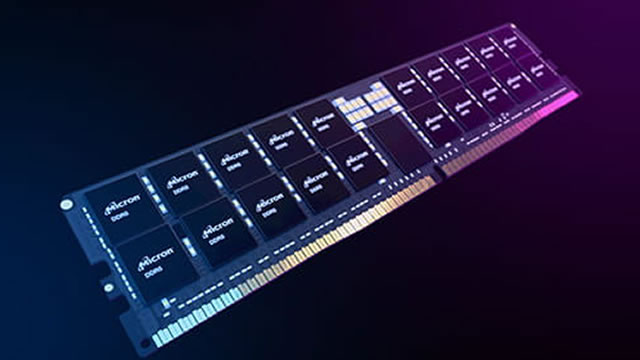
Micron has surged more than 500% over the past year as AI-driven memory demand helped produce reported revenue of $54B, up 380% year over year, and an 87% gross margin. The company also guided EPS and revenue above consensus. However, the article argues these margins are unsustainable for a cyclical memory supplier, with supply growth and margin normalization posing material risks of a sharp valuation correction.
Analysis
MU’s valuation is now underwriting a durable mix shift toward high-bandwidth memory rather than a conventional DRAM upcycle. That distinction matters: HBM capacity is constrained by advanced packaging and qualification cycles, but legacy DRAM/NAND pricing remains vulnerable to Samsung Electronics, SK Hynix, and Chinese capacity additions. A modest decline in HBM premium or a faster-than-expected conversion of wafer capacity back into conventional DRAM would pressure blended ASPs and create negative operating leverage from an unusually elevated margin base.
The nearer-term setup remains favorable through the next one to two earnings prints if hyperscaler capex and accelerator shipments stay firm; MU can outperform even without further estimate revisions as supply remains disciplined. The 6-18 month risk is that investors extrapolate peak-cycle profitability while memory peers expand output into 2027, turning an AI scarcity narrative into a pricing-normalization narrative. Consensus may also underappreciate customer concentration: any AI infrastructure digestion period at NVIDIA-linked server OEMs or cloud customers would hit inventory orders before end demand, making quarterly revenue more volatile than AI secular-growth multiples imply.
The contrarian view is not an immediate outright short: HBM qualification barriers give MU a more defensible earnings runway than prior commodity-memory peaks, and shorts can be squeezed by additional allocation or pricing announcements. The more attractive expression is to own the AI-memory bottleneck while limiting exposure to MU’s peak-margin multiple through relative value or defined-risk options. Thesis fails bearish if MU sustains HBM-led mix expansion while maintaining gross margin above 70% through two additional reporting periods without material inventory growth.
AllMind Terminal
AI-powered research, real-time alerts, and portfolio analytics for institutional investors.
Request TrialMarket Sentiment
Overall Sentiment
mixed
Sentiment Score
0.10
Ticker Sentiment
Key Decisions for Investors
- Maintain a tactical long MU only into the next earnings/capex catalyst, with a 1-3 month horizon; use a trailing stop around a 12-15% drawdown or exit on evidence of DRAM contract-price declines. Upside requires another guide-up, while downside is asymmetric if gross-margin guidance begins to normalize.
- Prefer a relative-value trade: long SK Hynix exposure where accessible / short MU in roughly beta-neutral dollars over 6-12 months. SK Hynix has greater direct HBM sensitivity, while MU carries more risk that investors de-rate peak blended margins; cover if MU’s HBM share gains materially or if SK Hynix supply execution deteriorates.
- For U.S.-listed implementation, consider long SOXX or SMH against a smaller short MU position over 3-6 months. This isolates MU-specific memory-cycle and valuation risk while retaining broad AI semiconductor exposure; stop the spread if MU outperforms the ETF by 15% following a sustained upward revision cycle.
- Do not add to a bearish position before independently verifying HBM capacity, inventory days, DRAM contract pricing, and 2027 wafer-start plans at Samsung and SK Hynix. A supply-response signal—rising inventories or aggressive capacity guidance—is the required catalyst for a higher-conviction short.
More News
- Stocks remain under the thrall of higher yields and higher oil. Here's what's ahead
- Nasdaq Index: Record High as Weak Payrolls Cut Rate-Hike Bets and Yields Fall
- Nvidia is a 'best in breed' stock on sale. Here's why I'm buying
- Micron sees the memory shortage tightening into 2028 after a record quarter
- CLSA raises Micron stock price target on strong memory pricing outlook
- Wall Street sets Micron (MU) stock price for 12 months