
Campspot Launches Fall Sale With Hundreds of Campground Deals Up to 40% Off as Campers Stretch the Outdoor Season Into Fall
Source: PRWeb
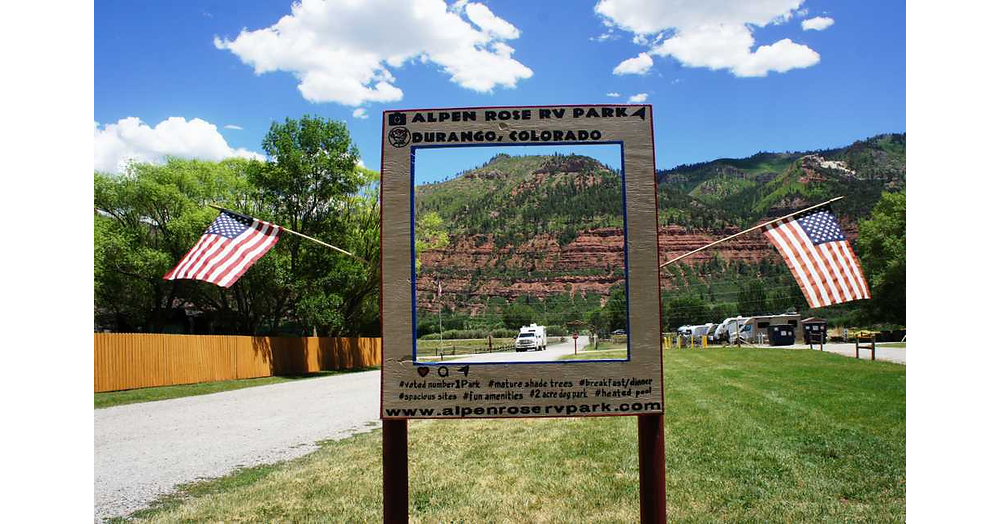
Campspot launched a Sept. 7–13 Fall Sale offering discounts of up to 40% at participating North American campgrounds, targeting shoulder-season travel through September and October. Its survey found 77% of campers extend trips into September and 58% into October, while 68% cite higher travel costs as the leading vacation disruptor. The promotion supports demand for lower-cost, drive-to outdoor travel but is routine company marketing news with limited broader market relevance.
Analysis
This is not a demand read-through for public travel equities; it is a single platform's promotional event with no disclosed booking volume, take rate, occupancy, or discount funding. The more useful signal is that shoulder-season inventory appears sufficiently perishable to require price incentives, which can lift occupancy while diluting net revenue per available site for park operators if owners—not Campspot—absorb the discount. That favors asset-light reservation platforms over owned-site operators only if the promotion generates incremental bookings rather than cannibalizing full-rate reservations already likely to occur.
For ELS and SUI, autumn utilization matters less to annual earnings than sustained monthly/seasonal RV occupancy and rate growth; a one-week discount campaign is unlikely to change FY estimates. The second-order beneficiary, if drive-to leisure remains resilient, is CWH and potentially THO/WGO through campground traffic and RV usage, but the causal link to new-unit demand is weak: value-conscious consumers can substitute shorter campground stays for RV purchases. ABNB and EXPE face little direct risk because outdoor lodging is a narrow category, though persistent trade-down toward regional road trips would modestly favor lower-ticket domestic inventory over airfare-dependent leisure.
Consensus should resist treating promotional visibility as proof of a healthy consumer. Discount-led conversion can indicate price elasticity at precisely the lower-income cohort that supports RV retail and discretionary accessories. Over the next 1-3 months, the investable confirmation would be ELS/SUI reporting stronger transient revenue without rate erosion, CWH showing traffic and same-store sales improvement, or card-data evidence of accelerating campground spend; absent those data, this is a watch item rather than a trade.
AllMind Terminal
AI-powered research, real-time alerts, and portfolio analytics for institutional investors.
Request TrialMarket Sentiment
Overall Sentiment
mildly positive
Sentiment Score
0.20
Key Decisions for Investors
- No directional position from this release alone; treat it as a September shoulder-season demand monitor, not an earnings catalyst.
- Set an alert on ELS and SUI: consider a tactical long only if third-quarter updates show transient/annual RV revenue growth with stable or improving realized daily rates. Falsify if occupancy gains are accompanied by rate declines or management cuts 2027 rent-growth expectations.
- Watch CWH relative to THO and WGO over the next 1-3 months. If campground and road-trip spending strengthens while RV retail remains soft, a long CWH / short THO pair could express usage-over-ownership substitution; require monthly same-store sales or registration data before entry.
- Avoid extrapolating the promotion into a long ABNB or EXPE thesis. A tradable domestic-leisure rotation would require corroboration from booking trends and airline pricing; otherwise airfare and hotel demand remain much larger drivers of those equities.
More News
- Are global oil reserves sufficient to withstand renewed US-Iran war?
- Volvo Cars to cut 2,500 jobs as third quarter swings to loss
- Debenhams returns to profit as turnaround gains traction, shares gain
- 8 Things to Know About the iPhone Duo
- Apple’s iPhone Duo Hits Stores in Face of Short Supply and High Demand
- UK Retail Sales Fall, Consumer Confidence Worst Since Covid