
Global oil prices extend move over $90 after report of two tankers struck in Hormuz
Source: MarketWatch
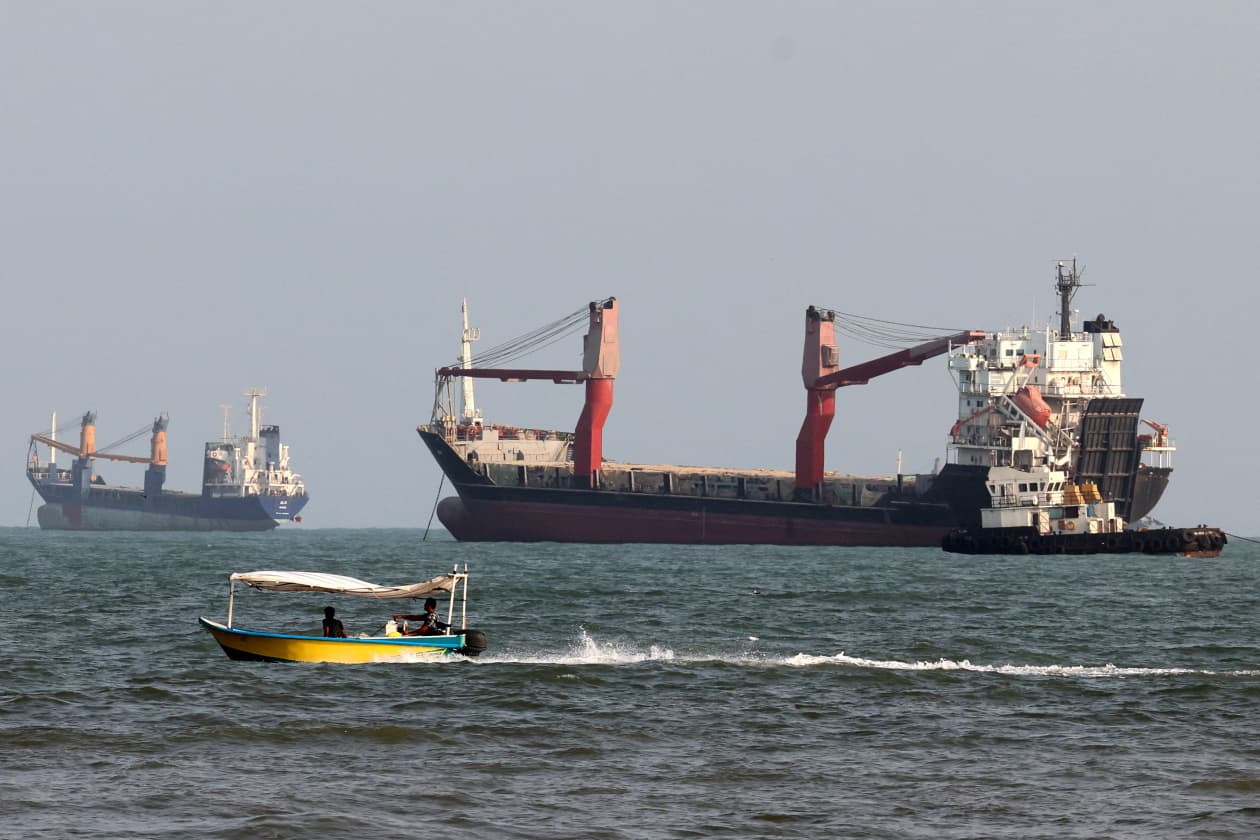
Oil prices extended gains after reports that two tankers were struck in the Strait of Hormuz. WTI for October rose 2.5% to $87.95/bbl and Brent for November climbed over 2% to $92.38/bbl, pushing both benchmarks to their highest levels in nearly two weeks—an escalation that raises near-term geopolitical risk premiums.
Analysis
This is mostly a geopolitical risk-premium trade, not yet a confirmed supply shock. The first-order winner is any crude-sensitive exposure with immediate pricing power: XLE/XOP, large-cap E&Ps, and to a lesser extent integrateds that can reprice reserves faster than downstream costs can be passed through. The second-order loser is everything with fuel as an input and weak pass-through — airlines, trucking, parcel/logistics, and parts of chemicals — because the market will re-rate their 1-3 month margin assumptions faster than management can hedge.
The key distinction is duration. In the next few sessions, headline risk and implied volatility should dominate, which makes options or relative-value expressions cleaner than naked beta longs. Over 1-3 months, if traffic through Hormuz normalizes and there is no follow-on strike, the premium should bleed out quickly; the market has repeatedly faded these events once physical flows remain intact. The reversal trigger is simple: no new incident plus Brent slipping back under the low-90s and WTI under the high-80s would argue the move was only a transient risk repricing.
The contrarian view is that the market may be underestimating tail risk because this is a chokepoint event, not a generic Middle East headline. If insurers, shipowners, and Gulf state planners start repricing route security, the real impact shows up later as a higher floor for prompt crude and a tighter backwardation profile, which would support energy equities even if spot retraces. But absent escalation, the current move is probably too small to justify chasing broad commodity beta; the cleaner expression is long energy versus fuel-sensitive transport.
AllMind Terminal
AI-powered research, real-time alerts, and portfolio analytics for institutional investors.
Request TrialMarket Sentiment
Overall Sentiment
mildly negative
Sentiment Score
-0.35
Key Decisions for Investors
- Tactical long XLE or XOP for 1-3 weeks, with a hard exit if Brent falls back below ~$88 or WTI below ~$85; reward is continued geopolitical premium expansion, risk is rapid headline fade.
- Pair trade: long XLE / short JETS over the next 1-2 months to isolate the fuel-cost shock; if crude stays elevated, airline margins compress faster than energy cash flows re-rate.
- Use 1-2 month call spreads on USO or XLE rather than outright futures exposure to capture convexity from further Hormuz headlines while limiting downside if the event de-escalates.
- Watch for a fade signal: if there are no additional incidents or shipping restrictions within 48-72 hours, start fading the spike and rotate out of tactical crude longs into broader defensives.
- Alert item: if prompt Brent stays >$90 for several weeks, reassess refining, chemicals, and transport exposure; that would imply a persistent risk premium rather than a one-day shock.
More News
- Indonesia stocks suffer biggest daily slump since 1998 as MSCI weighs downgrade
- One Singapore ship was sunk, but here's why others are still transiting the Strait of Hormuz
- Order to limit Starshield for Ukraine came from inside White House: Reuters reports
- Taiwan to curb AI chip sales to China for more U.S. alignment- Bloomberg
- BOE Chief Says Energy Shock Delays 2% Inflation Target
- China’s National Team Signals Return With Heavy ETF Inflows