
Kodachaya Opens in NYC's Koreatown, Bringing Retro Seoul and Korean Pocha Culture to Midtown Manhattan
Source: PR Newswire
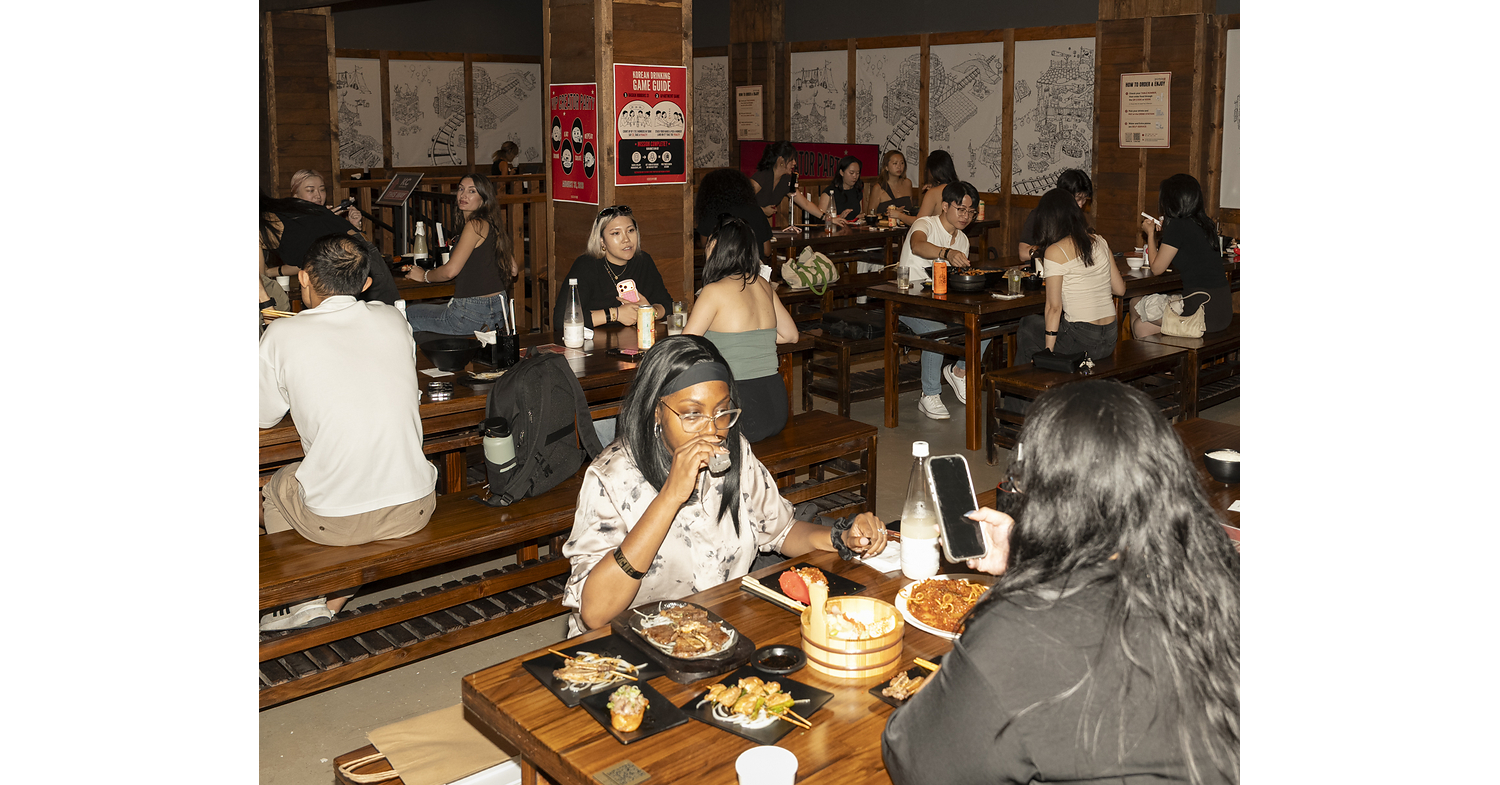
Kodachaya, a Seoul-born Korean pocha concept by Group KFF, opened its New York debut in Manhattan’s Koreatown on July 31. The 32nd–33rd Streets venue features five food stations, a 100% open island kitchen, no-tipping ordering/payment via kiosks/QR codes, and a self-select beverage station, aiming for a late-night (until 4 a.m. Fri/Sat) social dining experience. A flagship “Kimbbok” Kimchi Fried Rice has sold 2.5M+ servings in Korea, but the article provides no financial metrics—likely low near-term market impact.
Analysis
This is a concept-level opening, not an earnings event, so the only tradable read-through is whether the operating model scales. The interesting mechanism is labor productivity: kiosks, QR ordering, and self-serve beverage flow can lower front-of-house intensity and improve throughput per square foot, which is the real scarce input in Manhattan late-night dining. If that format gains repeat traffic, it could incrementally pressure full-service peers to adopt similar labor-light layouts rather than compete on service depth.
The competitive impact is mostly local and zero-sum. Nearby Korean casual dining, karaoke, and late-night bars are the immediate losers in discretionary spend share, while the bigger beneficiaries may be corridor landlords and transit-adjacent retail if the venue increases dwell time and nighttime footfall. The key missing data is repeat-visit economics after launch hype fades; without strong beverage attachment and weekday utilization, the large footprint becomes a fixed-cost liability rather than a growth asset.
Contrarian view: the market often overestimates novelty venues and underestimates how quickly Manhattan rents, security, and labor can eat the margin benefit of a no-tipping model. A hybrid food-and-entertainment concept can look efficient on day one but still fail if service quality or queue friction caps conversion. For the listed tickers, there is no direct fundamental delta; this is more a watch item for restaurant-tech adoption and local retail traffic than a standalone equity catalyst.
AllMind Terminal
AI-powered research, real-time alerts, and portfolio analytics for institutional investors.
Request TrialMarket Sentiment
Overall Sentiment
mildly positive
Sentiment Score
0.12
Key Decisions for Investors
- No immediate trade in FCUL / KEP / MHTZF / TBHC; the signal is too idiosyncratic and sentiment-only. Treat as non-investable unless follow-on data show repeat traffic or expansion plans within 1-3 months.
- Put VNO and SLG on a 1-3 month watchlist for marginal upside from Penn Station / Koreatown foot traffic; only initiate a small long on confirmation from third-party pedestrian data or tenant-sales commentary. Falsifier: traffic fails to hold after the opening halo fades.
- Watch TOST as a longer-horizon beneficiary if QR/kiosk/no-tipping service spreads across casual dining; consider a starter long only if multiple operators cite adoption in coming earnings cycles. Risk/reward is better on a basket basis than on this one venue.
- If holding Manhattan-exposed late-night dining/leisure names, use strength to trim rather than add until repeat customer data are visible. The near-term risk is cannibalization, not category expansion.
More News
- Paramount agrees invest $1.5 billion in domestic movies and create a board for editorial independence at CNN, CBS as part of deal for Warner Bros.
- Intel surges 12% as CPU stocks rally. Here's what's driving the move
- Meta's Muse personal AI agent tops ChatGPT, Grok and Claude for post-launch downloads
- Investors discover their new favorite consumer AI play in Meta. Options volume is surging
- Why is Labcorp stock sliding today?
- The Zombie Office Apocalypse
From AllMind Research
- Anthropic IPO Preview: Valuation, Timing, and What to Watch
- Shein After the IPO: Venue, Valuation, and What Must Be Proved
- What AI Research Tools Should a Small Hedge Fund Buy First?
- What a Concept From Nature Tells Us About How C-Suite Executives Actually Think About AI
- How to Track Earnings Call Sentiment Across Companies