
Formula 1 Set to Return to Africa With Rwanda Grand Prix
Source: Bloomberg
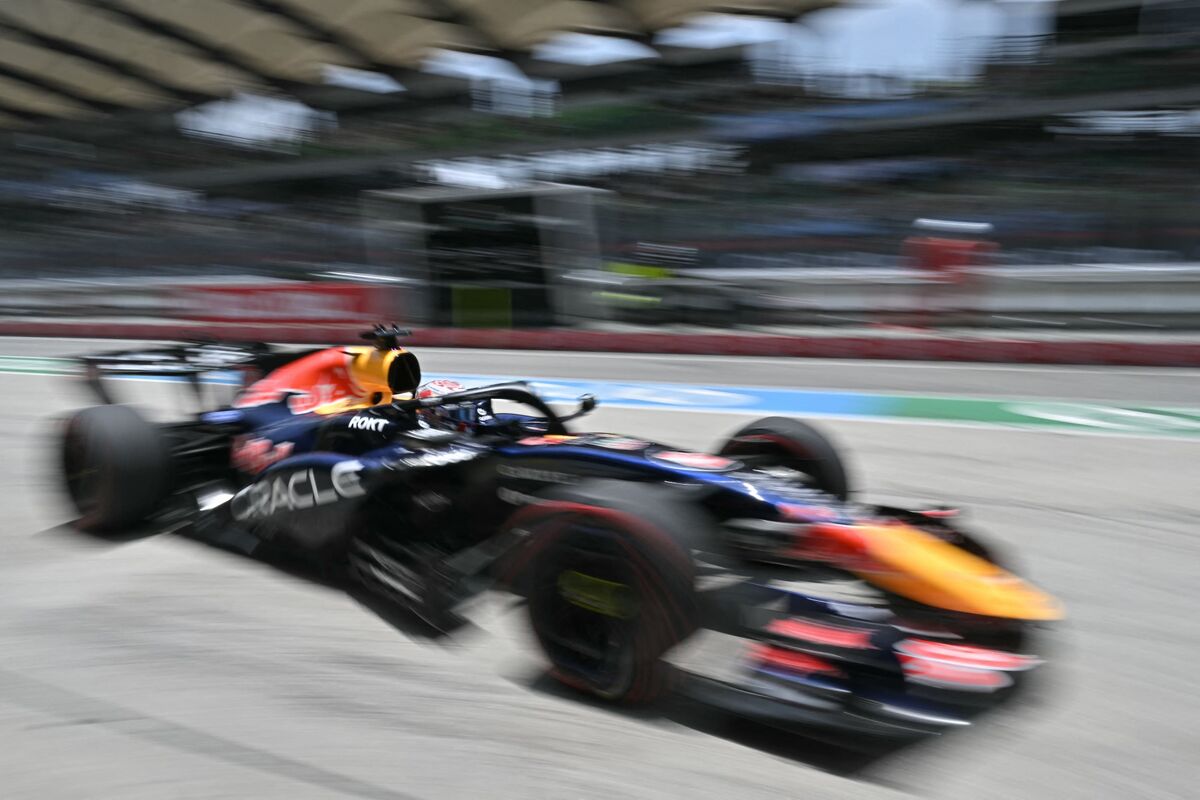
Formula 1 said it plans to return to Africa with a Rwanda Grand Prix in the early 2030s, conditional on completion of a purpose-built circuit in Bugesera. The circuit is expected to be completed early in the next decade; no financial terms or market reaction were reported.
Analysis
The investable question is whether Rwanda adds durable commercial value to Formula 1 or merely reallocates a scarce calendar slot. If the event is incremental, it could expand sponsorship reach and regional fan engagement; if it displaces another race, the net economics depend on hosting fees, attendance, and broadcast demand—not the location alone. A single race should not be treated as evidence of a broad tourism or transport demand step-change across Africa.
The near-term market impact is likely negligible: the event is contingent on a circuit that is not yet complete, and the stated timing is years away. Over the next 1–3 months, watch for a signed hosting agreement, construction financing, and clarity on calendar capacity. Over 6–18 months, the relevant signals would be infrastructure execution and evidence that sponsors, broadcasters, and travel operators are committing resources. Longer term, execution, transport access, safety, and public funding are key risks; delays or a weak commercial package could defer or undermine the event. There is no substantiated basis here for a company-level earnings estimate or a directional equity trade.
AllMind Terminal
AI-powered research, real-time alerts, and portfolio analytics for institutional investors.
Request TrialMarket Sentiment
Overall Sentiment
mildly positive
Sentiment Score
0.20
Key Decisions for Investors
- No trade on the announcement alone; treat it as a long-dated, low-confidence tourism catalyst rather than a near-term earnings signal.
- Monitor for a binding hosting contract, named circuit developer and funding sources, and whether the race adds a calendar date or replaces another event. These determine who captures value and whether the economics are incremental.
- Keep regional airlines, hotels, and travel operators on a watchlist only. Revisit if bookings, capacity plans, or company guidance show measurable demand tied to the event; do not extrapolate from the race announcement to continent-wide travel growth.
- Falsification / downside trigger: material construction delays, financing gaps, or failure to secure a durable commercial agreement would weaken the long-term tourism and sponsorship thesis.
More News
- Namibia battles cattle disease outbreak as EU suspends several meat imports
- Airport attacks put aviation in crosshairs of geopolitical conflicts
- Houthis threaten Saudi Arabia’s Aramco facilities and airports
- The SpaceX threat to telecom is real. How it could play out
- Iran reportedly fortifies nuclear sites as it prepares for possible U.S. strikes after midterms
- Middle East and Central Asia’s economy to shrink in 2026 amid war, IMF says
From AllMind Research
- Anthropic IPO Preview: Valuation, Timing, and What to Watch
- Shein After the IPO: Venue, Valuation, and What Must Be Proved
- What AI Research Tools Should a Small Hedge Fund Buy First?
- AllMind Fixed Income Compass for October 2025: Navigating Policy Divergence and Political Risk
- AI Equity Research Tools for RIAs and Wealth Managers