
Goldman Sachs Is Paying Up to $2.25 Billion for a $30 Billion ETF Business. Is That Enough to Lift the Stock Back to a Record by 2028?
Source: fool.com
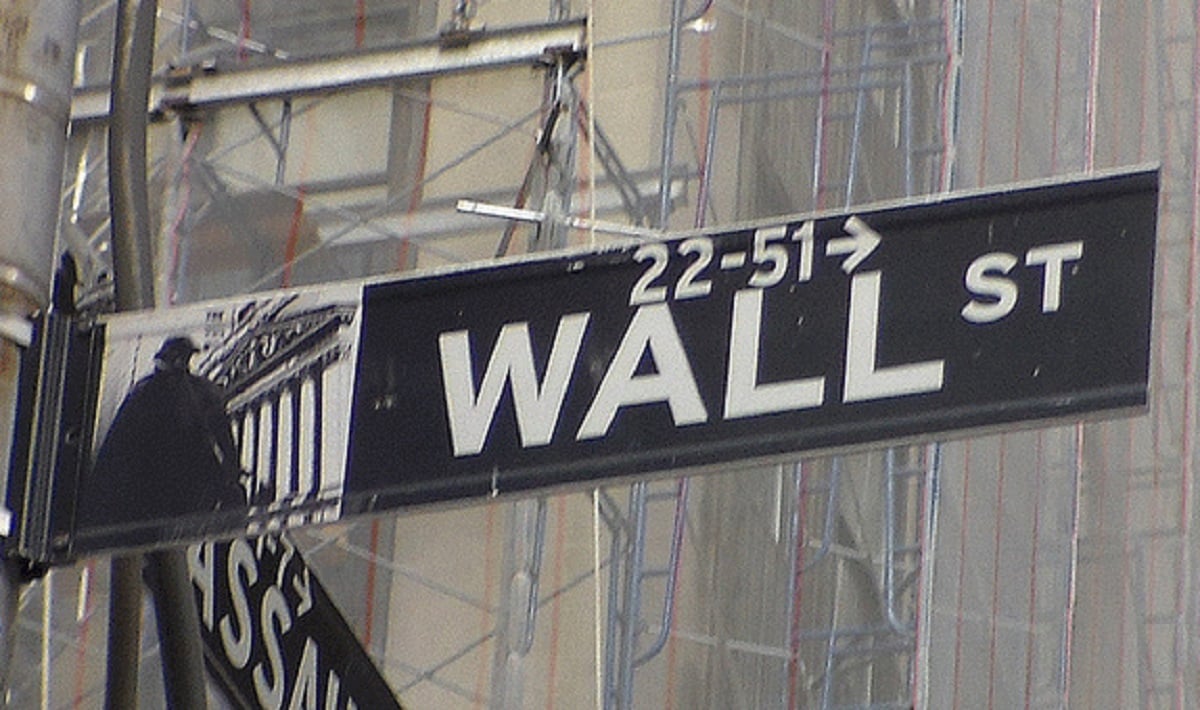
Goldman Sachs announced a $2.25 billion bid in August to acquire NEOS Investments, whose assets under management have grown from $30 billion at announcement to $36.5 billion. The deal adds a fast-growing covered-call and options-income ETF business to GSAM, which managed $3.3 trillion but generated $5.1 billion of Goldman’s $18.7 billion in third-quarter revenue. The article views the acquisition as a long-term contributor, but says it is unlikely by itself to drive Goldman’s shares back to their $1,146.65 record close; at $881.26 on Oct. 16, the stock needed a 30.1% rise.
Analysis
NEOS is strategically useful as a distribution and product capability, but its headline AUM is not equivalent to durable, high-margin earnings. The key diligence items are organic net flows versus market appreciation, fee yield, and how much of reported distributions represent option income versus return of capital. Covered-call demand can be cyclical: elevated volatility can support option premiums, while a sustained equity rally exposes the products’ capped-upside trade-off and may prompt performance-driven outflows. That makes NEOS’s AUM less reliable as a valuation anchor than conventional long-only assets.
The broader consolidation wave may improve scale and shelf access for larger issuers, but also intensify fee competition. Goldman can cross-distribute NEOS through its existing platform; competitors such as JPMorgan, BlackRock, Global X, and Amplify have incentives to defend flows with competing income products. Any benefit to GS is likely incremental relative to its trading and investment-banking drivers, so the acquisition alone is not a persuasive catalyst for a large re-rating.
Over days, deal news is unlikely to change GS’s core earnings outlook. Over 1–3 months, monitor closing terms, organic flows, and guidance; over 6–18 months, success depends on retention, product economics, and whether income-seeking demand persists. The contrarian risk is treating rapid AUM growth as proof of durable franchise economics. A flow reversal or evidence of low fee capture would weaken the thesis; sustained organic inflows and disclosed accretive economics would strengthen it.
AllMind Terminal
AI-powered research, real-time alerts, and portfolio analytics for institutional investors.
Request TrialMarket Sentiment
Overall Sentiment
mildly positive
Sentiment Score
0.20
Ticker Sentiment
Key Decisions for Investors
- Do not buy GS solely on the NEOS acquisition. Treat GS primarily as an investment-banking and trading exposure until the company quantifies NEOS’s earnings contribution and confirms deal completion.
- Watch for verified NEOS organic net flows, fee yield, and distribution composition. AUM growth driven mainly by market moves, or persistent return-of-capital distributions, would argue against assigning the business a premium franchise value.
- For a 1–3 month catalyst check, compare GS guidance and asset-management flows with the acquisition narrative; reassess if guidance weakens or the transaction’s expected economics disappoint. No standalone options trade is justified by the article alone.
- For a 6–18 month thesis, favor the acquisition only if flows remain positive through both rising and falling equity markets and GS demonstrates cross-selling without material fee dilution; competing income ETF launches and falling relative performance are falsifiers.
More News
- Stifel cuts Almonty Industries stock price target on shipment delays
- Goldman Sachs cuts Yaskawa Electric stock rating on profit outlook
- Jim Cramer's top 10 things to watch in the stock market Tuesday
- AI rally fades away from Wall Street as a tiny IPO makes big waves
- Stocks sell off globally as France imposes riot curfews and Saudi Arabia cancels ‘Davos in the Desert’
- 'Risk appetite' for stocks is the worst since March, Goldman Sachs says