
Brent Rises to $100 After US Destroys Five Iranian Tankers
Source: Bloomberg
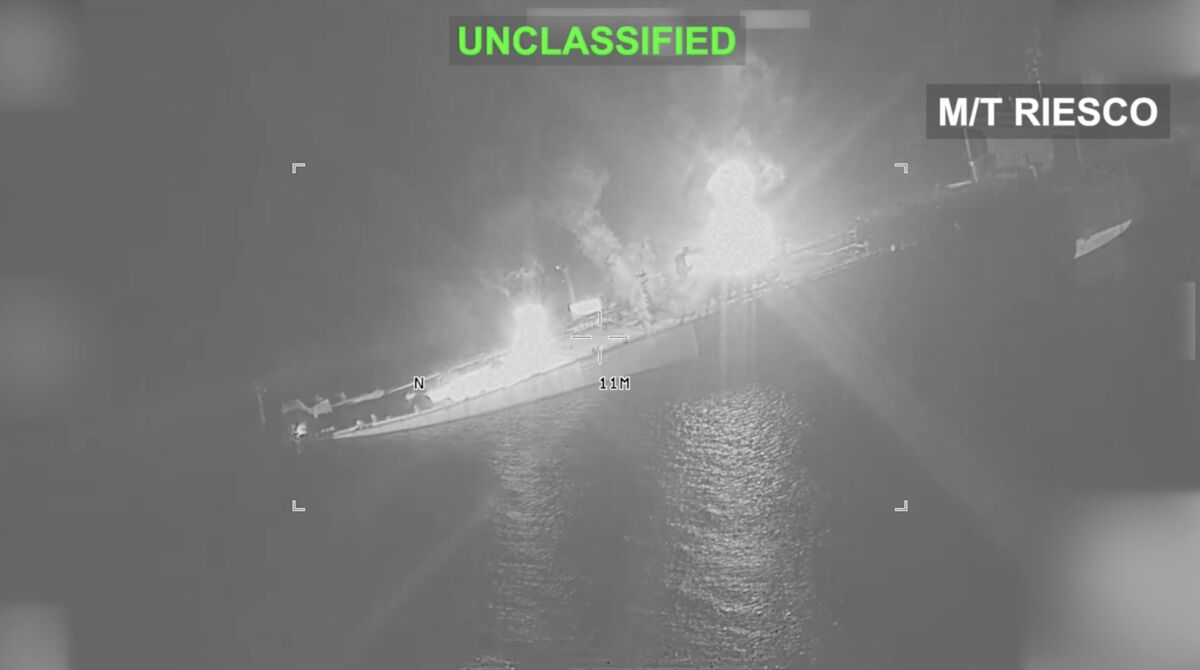
Brent crude rose to $100 per barrel after US forces reportedly destroyed five Iranian tankers, escalating geopolitical risk and threatening oil supply flows. The event could intensify inflation concerns and drive broad risk-off positioning across energy, transportation and global markets. Separately, UK flight disruption continued for a second day, while Treasury Secretary Scott Bessent publicly challenged bearish yen traders.
Analysis
The key transmission channel is a geopolitical risk premium rather than an immediately durable physical shortage. That distinction favors liquid crude exposure over a broad, unhedged energy-equity chase in the next several days: US producers such as FANG, DVN and EOG retain upside, but realized-price benefits will lag and are diluted by hedge books. Airlines, chemicals and consumer transport face the more immediate margin-risk repricing; JETS and fuel-intensive names are vulnerable if jet cracks and crude remain elevated through the next monthly fuel-purchasing cycle.
Second-order effects should emerge in freight and insurance. Higher war-risk premiums, rerouting and tighter availability of compliant vessels can lift spot tanker economics for FRO and DHT, although this is not a clean long if transit volumes are curtailed rather than rerouted. Refiners are more nuanced: VLO and MPC should not be treated as automatic shorts, since product-crack expansion can offset higher feedstock costs; the relevant watch item is whether gasoline and distillate cracks widen faster than crude.
The consensus risk is assuming a round-number crude break is self-sustaining. At these levels, demand destruction, emergency stock releases, accelerated diplomatic de-escalation, or evidence that regional shipping flows remain normal could remove much of the premium within days to weeks; a sustained move instead requires visible inventory draws and persistent freight disruption. Over 6-18 months, sustained $90+ crude improves US upstream cash generation and may revive service intensity, benefiting OIH more than integrated majors, but only after producers signal higher capital budgets.
Yen weakness is directionally reinforced by a worsening imported-energy bill, but official Japanese intervention risk rises as USD/JPY moves sharply; rhetoric alone is insufficient basis for a standalone FX position. Monitor USD/JPY, Japanese energy-import data and BOJ/MOF language before expressing the macro leg.
AllMind Terminal
AI-powered research, real-time alerts, and portfolio analytics for institutional investors.
Request TrialMarket Sentiment
Overall Sentiment
moderately negative
Sentiment Score
-0.45
Key Decisions for Investors
- Buy 2-3 month Brent $105/$120 call spreads while spot is near $100; defined premium risk captures a further disruption premium without paying for unlimited upside. Take profits if Brent reaches $115-120 absent corroborating inventory draws; exit if shipping transits normalize or Brent closes below $94.
- Initiate a 1-3 month pair: long XLE versus short JETS, sized beta-neutral. The trade isolates producer cash-flow leverage against airline fuel-cost sensitivity; reassess if Brent falls below $90 or airlines demonstrate fare increases sufficient to preserve unit margins.
- Watch-list, not immediate recommendation: long FRO or DHT on confirmed sustained tanker-rate and war-risk-insurance increases. Require at least two weeks of elevated VLCC/Suezmax rates or documented rerouting before entry; reduced cargo volumes through the region would invalidate the freight-upside thesis.
- For a 6-12 month allocation, accumulate OIH only after EOG, FANG, DVN or other large US independents raise activity or capital-spending guidance. The falsifier is continued producer capital discipline despite elevated crude, which would leave service utilization and pricing flat.
More News
- Saudi Arabia intercepts missiles and drones as fighting with Houthis rages
- France’s latest debt warning describes a country where governance is breaking down — and even doing too little, too late is barely possible
- Israelis hold final rally against Netanyahu ahead of what may be the most consequential election in the country’s history
- Brookfield to open Qatar office as it expands Middle East operations
- First Russian diesel tanker heads to New York after Trump's deal with Putin to lower fuel prices
- Saudi Arabia intercepts drones and missiles as fighting with Yemen’s Houthis continues
From AllMind Research
- Anthropic IPO Preview: Valuation, Timing, and What to Watch
- Shein After the IPO: Venue, Valuation, and What Must Be Proved
- What AI Research Tools Should a Small Hedge Fund Buy First?
- Hebbia Alternatives: A Workflow-Based Buyer’s Guide
- 2026 Global Markets Outlook: Asset Allocation After the Great Disconnect