
Haier představuje na veletrhu IFA 2026 chytrou domácnost založenou na AI
Source: PR Newswire
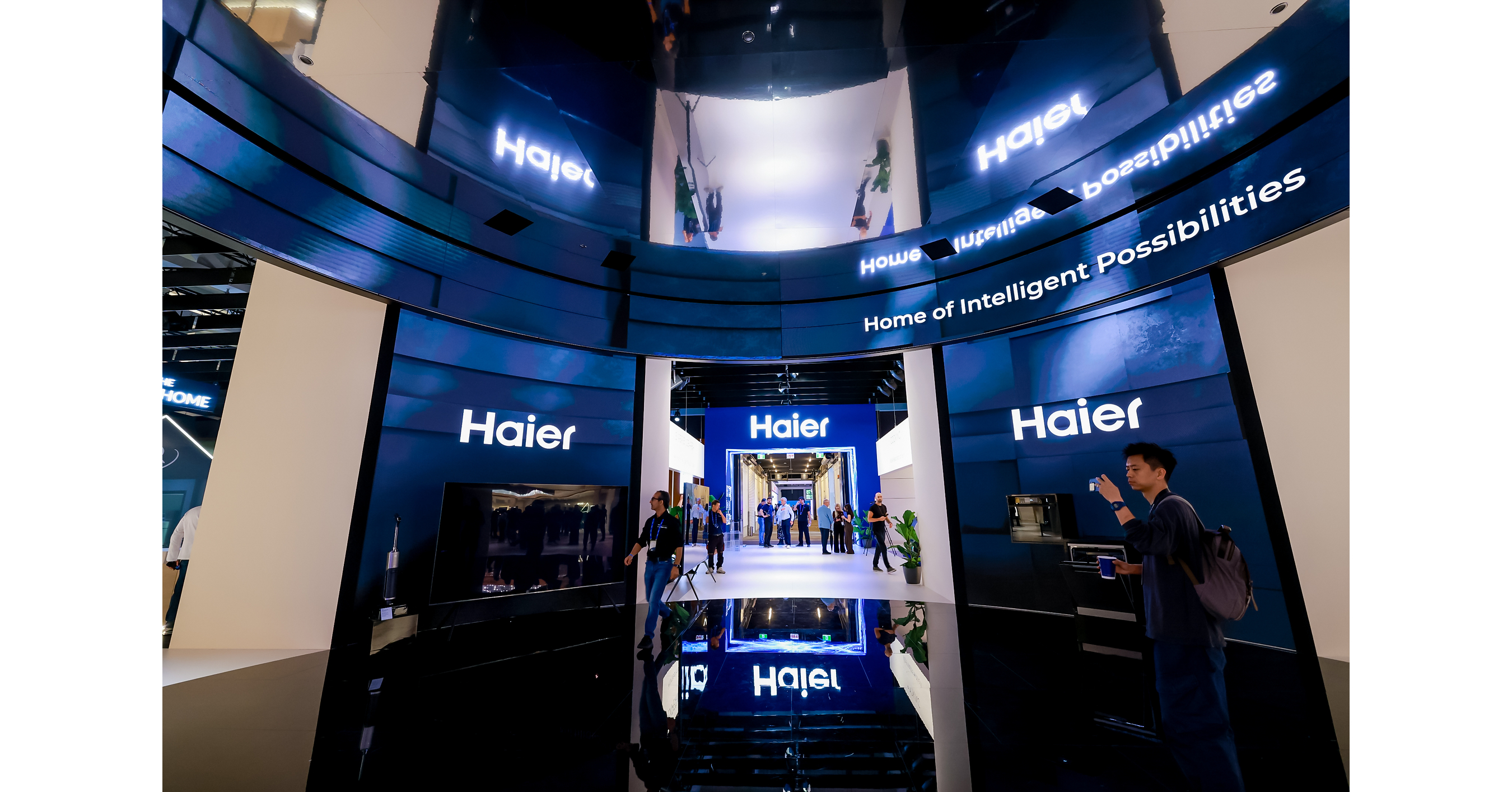
Haier unveiled an AI-powered smart-home ecosystem at IFA 2026 spanning laundry, refrigeration, cooking, entertainment and robotics, with its platform exceeding 130 million registered users and recording 86.1 billion smart-scenario interactions in 2025. The company plans to invest at least €13 billion over the next five years in AI, semiconductors and IoT security, supporting its transition toward coordinated connected-home services. Haier also highlighted its 15th consecutive top ranking in global smart-home invention patents in H1 2026.
Analysis
This is strategically relevant but not yet investable as a standalone catalyst: connected-appliance functionality is increasingly table stakes, and product demonstrations do not establish willingness to pay, attach rates, or recurring software revenue. The near-term economic effect is more likely higher BOM costs—cameras, sensors, edge compute, connectivity and security—than margin expansion unless Haier can price a premium without increasing promotional spend. European white-goods demand remains replacement-cycle driven, so the key 1-3 month read-through is retailer orders and ASP realization rather than user-registration metrics.
The non-obvious competitive pressure falls on European incumbents with less unified consumer data and installed-base software ecosystems. BSH’s private Bosch ownership limits direct equity expression, but Electrolux (ELUX-B) and Whirlpool (WHR) are exposed if connected features become a meaningful purchase criterion in mid-to-premium appliances; LG Electronics is a more credible ecosystem competitor, though its appliances are embedded in a broader electronics valuation. Component beneficiaries could include image-sensor, connectivity and edge-AI suppliers only if production specifications—not prototypes—show increased content per appliance.
The planned investment intensity creates a 6-18 month execution trade-off: proprietary semiconductors, robotics and IoT security can deepen ecosystem lock-in, but they are capital-intensive categories with uncertain consumer monetization and elevated product-liability/privacy risk. Consensus may overvalue the AI label: appliance replacement intervals are long, interoperability is fragmented, and consumers may resist cameras in kitchens and laundry rooms. The thesis turns constructive only if premium-product sell-through and service revenue outpace incremental R&D, warranty and cloud-security costs.
AllMind Terminal
AI-powered research, real-time alerts, and portfolio analytics for institutional investors.
Request TrialMarket Sentiment
Overall Sentiment
moderately positive
Sentiment Score
0.62
Key Decisions for Investors
- No directional trade on the release. Treat it as an alert: seek channel checks during the next European appliance selling season for premium Haier/Candy sell-through, realized ASPs and retailer reorder rates before underwriting an AI-driven share-gain thesis.
- Monitor ELUX-B for a relative short versus LG Electronics or a broad consumer-durables hedge over 6-12 months if Electrolux discloses continued price/mix pressure while peers demonstrate connected-product premiumization. Falsifier: ELUX-B sustains gross-margin expansion and premium-category share gains despite a weak replacement cycle.
- Watch WHR earnings for evidence that smart-home features are raising warranty, cloud and promotional costs without lifting North American ASPs. A short is only warranted after two consecutive quarters of negative price/mix or reduced margin guidance; absent that evidence, the announcement does not justify a position.
- For semiconductor exposure, require named production suppliers and unit-volume commitments before buying sensor or connectivity vendors. Prototype adoption and patent counts are insufficient evidence of a material revenue ramp.
More News
- Are global oil reserves sufficient to withstand renewed US-Iran war?
- OpenAI Trims Target Value & Volvo Cars Cuts 2,500 Jobs
- PG&E’s CEO says AI is ‘the best thing that could’ve ever happened to the grid’
- The mobile ambitions of SpaceX see telecom stocks get hit again. What the latest developments mean.
- Wake up! The long bond’s up two points!
- US tech stocks tumble as investors fret over AI spending
From AllMind Research
- Anthropic IPO Preview: Valuation, Timing, and What to Watch
- Shein After the IPO: Venue, Valuation, and What Must Be Proved
- What AI Research Tools Should a Small Hedge Fund Buy First?
- What Exactly Does Post-Training in LLMs and Finance-Focused AI Actually Mean for Asset Managers?
- What Is a Financial Ontology?