
Breda University: how cycling infrastructure can unlock the future of urban mobility
Source: PR Newswire
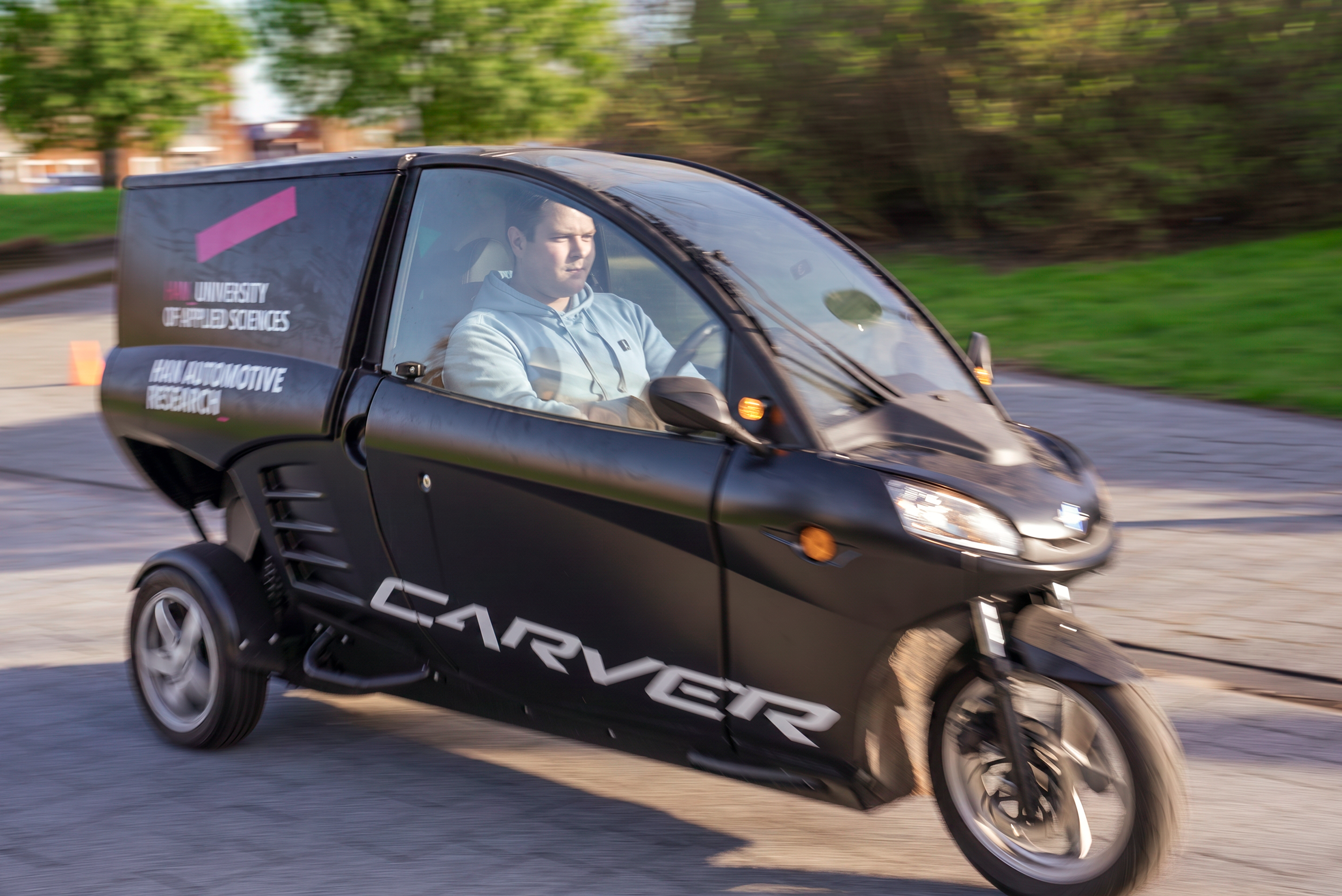
BUas research finds that 25% of nearly 2,000 surveyed Dutch residents are considering buying a light electric vehicle (LEV), while 75% of prospective users expect to reduce car driving. The potential decarbonization benefit is tempered by higher cycling-accident risks from mixed vehicle speeds and weights on cycle paths. Researchers conclude that enforcing age and speed rules, promoting predictable rider behavior, and expanding separated cycling infrastructure are more effective than blanket LEV bans.
Analysis
This is not yet an investable demand signal for listed mobility manufacturers: stated adoption intent is a poor proxy for unit sales, and the addressable spend is split across largely private operators and low-margin hardware categories. The more investable mechanism is municipal capex: once cities prioritize separated lanes, charging, parking and enforcement, civil contractors and traffic-management vendors gain recurring project pipelines while municipalities shift budgets away from road expansion. That allocation process is measured in annual budget cycles, not weeks.
The near-term risk for e-bike and micromobility exposure is regulatory asymmetry. Speed caps, age verification, mandatory insurance or vehicle certification would favor scaled, compliant OEMs such as Shimano (7309) and Yamaha Motor (7272) over unbranded/import-led fatbike supply, but could depress total unit volumes before replacement demand emerges. A meaningful safety incident or fragmented city-by-city rules would increase compliance costs and inventory obsolescence risk within 1-3 months; conversely, harmonized EU standards would support 6-18 month category consolidation.
Consensus is likely to treat safety regulation as category-negative. The more important second-order effect is that enforceable rules can convert an informal, price-led market into a higher-quality replacement cycle, lifting component content and pricing power for established suppliers. That thesis requires evidence of binding regulation and procurement budgets; without those, this remains a policy watch item rather than a directional transport trade.
AllMind Terminal
AI-powered research, real-time alerts, and portfolio analytics for institutional investors.
Request TrialMarket Sentiment
Overall Sentiment
mixed
Sentiment Score
0.08
Key Decisions for Investors
- No immediate position: the announcement has insufficient evidence on unit demand, municipal funding or regulatory implementation to justify a standalone trade.
- Place a 1-3 month alert on Dutch and major EU city budget releases, plus EU vehicle-classification proposals. If separated-cycleway procurement is funded at scale, evaluate a basket long in Vinci (DG.PA) and Eiffage (FGR.PA) versus European road-exposure peers; the catalyst is awarded backlog, not policy rhetoric.
- Monitor Shimano (7309) and Yamaha Motor (7272) for a regulation-driven quality shift. Consider a 6-12 month long only after evidence that compliant LEV/e-bike component orders accelerate while channel inventory normalizes; falsify on renewed dealer inventory buildup or guidance cuts.
- Avoid shorting legacy autos solely on potential modal substitution: car-trip displacement is likely concentrated in short urban journeys and is too small relative to vehicle replacement cycles to affect OEM earnings absent broad, funded urban access restrictions.
More News
- Wall Street’s Nasdaq hits all-time high as AI frenzy gathers pace
- Oil falls on increased Gulf supply and hopes for US-Iran talks
- Data-Center Bet Makes ESDS One of India’s Best New Listings
- Asia stocks ride tech wave higher, oil stays subdued
- South Korean solar stocks jump as curbs on Chinese sector expected to remain in place
- Latest Oil Market News and Analysis for Sept. 23
From AllMind Research
- Anthropic IPO Preview: Valuation, Timing, and What to Watch
- Shein After the IPO: Venue, Valuation, and What Must Be Proved
- What AI Research Tools Should a Small Hedge Fund Buy First?
- Bitcoin's 52% Crash Proves It's a Tech Stock: Here's What That Means for Portfolio Construction
- What Is an AI Investment Research Platform?