
Retail Gilt Buying Jumps After Yields Touch Highest in Decades
Source: Bloomberg
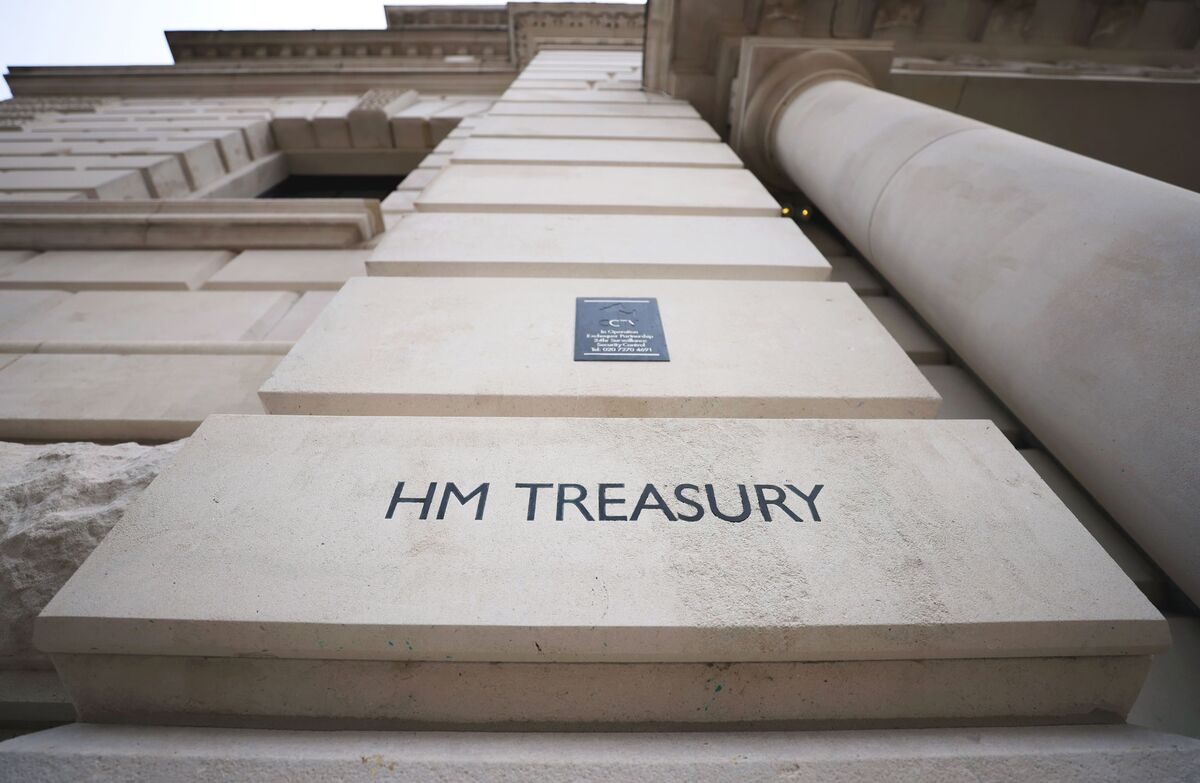
Gilt buying jumped as UK government bond yields hit multi-decade highs, with Freetrade noting gilt purchases rose to the highest level for the year on Tuesday by both order count and executed value. Low-coupon gilts were particularly popular given potentially better tax-adjusted returns, supported by a large UK retail base (1.6 million registered users). The setup signals cautious positioning as yields remain elevated after the selloff.
Analysis
This is a marginally positive read for IGGHY, but mainly as a positioning signal rather than a fundamental step-change. When retail money rotates into gilts, the economics are usually lower-commission and lower-frequency than equities or leveraged products, so the direct revenue uplift is limited; the real near-term benefit is stickier cash balances and higher net interest income if clients keep idle cash parked on-platform. That said, if households are reallocating into fixed income because yields finally look compelling, it can siphon attention away from higher-margin trading activity over the next 1-3 months.
The second-order effect is on market microstructure: persistent retail bond demand can dampen volatility in the gilt curve, which tends to hurt brokers that thrive on churn and price dislocations. For UK financials more broadly, higher rates help deposit economics, but they also signal tighter financial conditions; if the move is really about recession/inflation fear, credit-sensitive lenders and consumer-facing names could see worse sentiment even as bond demand rises. The key question is whether this is a one-day repricing response or the start of a durable retail allocation shift.
The contrarian view is that the market may be over-interpreting a flow spike that is mostly tactical behavior after yields reset to a more attractive level. If yields retrace 25-50 bps, retail bond buying can fade quickly and the narrative for IGGHY loses force. Falsifiers: a quick normalization in UK 10Y yields, or subsequent platform data showing bond activity up but total client trading not improving; in that case, the equity should not sustain a re-rating on this theme.
AllMind Terminal
AI-powered research, real-time alerts, and portfolio analytics for institutional investors.
Request TrialMarket Sentiment
Overall Sentiment
mildly negative
Sentiment Score
-0.15
Ticker Sentiment
Key Decisions for Investors
- Small tactical long IGGHY for 1-3 months only if the next platform readout confirms broad-based client activity; upside is modest from NII/engagement, but downside is limited unless trading volumes roll over.
- Do not extrapolate this into a durable broker-bullish trade without evidence that bond buyers are net new funded clients; if the activity is just substitution from higher-margin equity/CFD flow, the signal is bearish for revenue mix.
- Set an alert on UK 10Y yields: if yields fall back materially from the recent high, fade the IGGHY thesis and reduce exposure; the trade only works if elevated-rate psychology persists.
- Watch for a short UK broker basket relative to defensives only if there is follow-through in retail fixed-income buying and a broader slowdown in discretionary trading; otherwise the move is too small to monetize cleanly.
More News
- Financial Markets Turn Quiet Before Key Xi-Trump Summit
- U.S. Treasury yields ease as investors await fresh jobs data, Fed comments
- Nvidia’s Stock Is Flashing a Warning Sign as Valuation Falls
- Trump to speak at UN; Alibaba’s new AI chip - what’s moving markets
- India's large caps stuck in 'bygone economic era', says Bernstein, as foreign investors head for the exit
- European natural gas stabilize from two-week lows; UN talks in focus