
HiKOKI Europe prezentuje nową generację akumulatorowych gwoździarek, które wyznaczają nowe standardy wydajności, łącząc niewielką masę urządzeń z szybkością pracy porównywalną z narzędziami pneumatycznymi
Source: PR Newswire
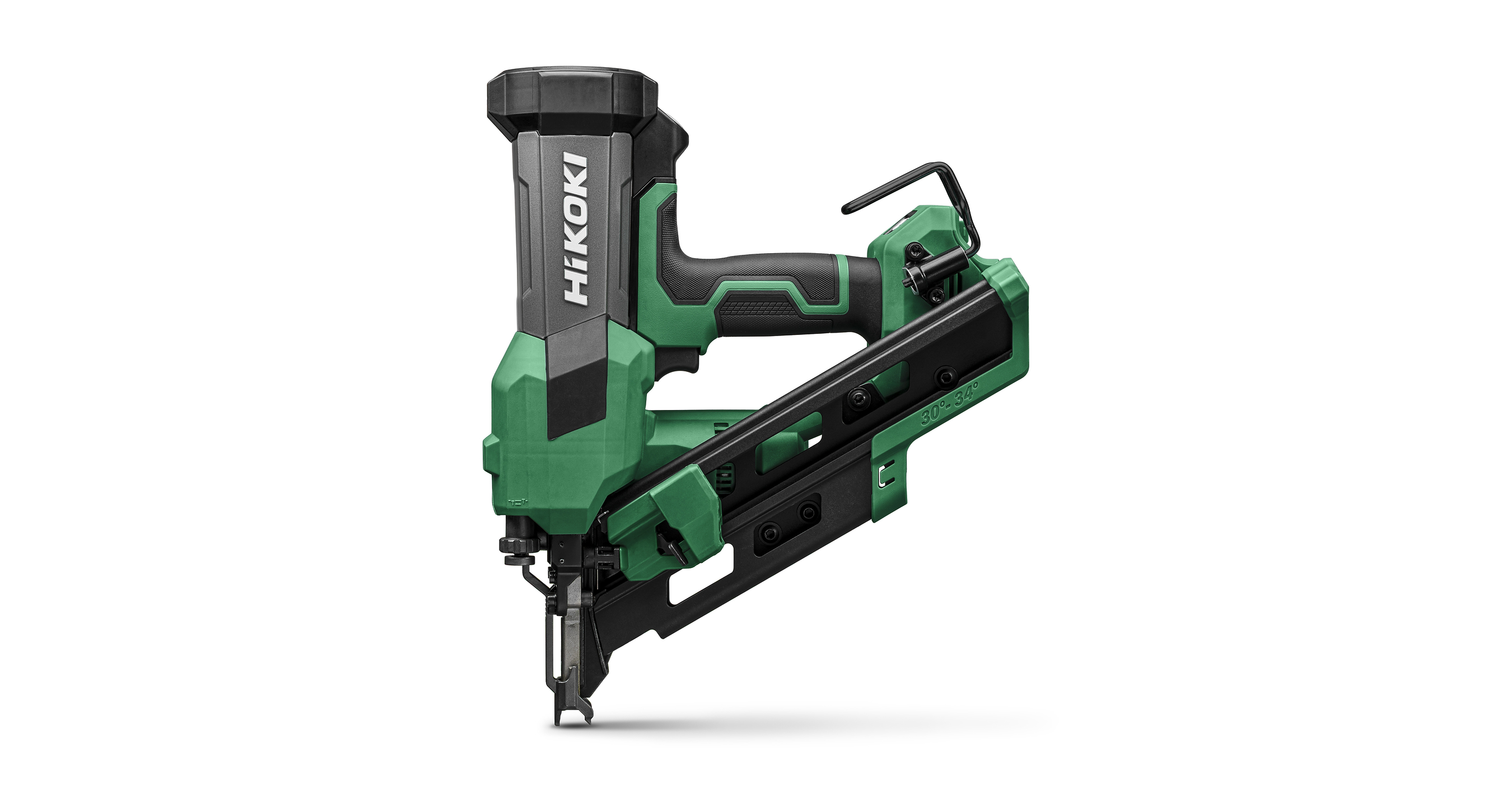
HiKOKI (KOKI Group) zaprezentował w Europie nową generację akumulatorowych gwoździarek bez przewodów, sprężarek i nabojów gazowych, celując w wydajność porównywalną z pneumatycznymi. Wybrane modele do gwoździ konstrukcyjnych wbijają do 4,5 gwoździa/s (do 5,0 z akumulatorem MultiVolt tabless) oraz mają czas reakcji spustu 43 ms; masa wynosi ok. 3,9–4,0 kg z akumulatorem (o >1 kg mniej niż typowe konkurencyjne narzędzia akumulatorowe). Pierwsze modele mają trafić na rynek z dostępnością od listopada 2026 r. przez niezależnych dystrybutorów.
Analysis
This reads less like an immediate earnings event and more like another data point in the slow replacement of pneumatic/gas fastening with cordless platforms. The economic swing is not the launch itself; it is the pull-through on batteries, chargers, and proprietary fasteners, which typically carries better gross margin and higher aftermarket lock-in than the tools. If HiKOKI gains traction in Europe, the second-order pressure falls on gas-consumable economics and compressor-heavy workflows rather than on base tool ASPs.
The real competitive question is whether this is a specification win or a channel win. Contractors care about uptime, serviceability, and ecosystem depth more than a single-cycle speed claim, so share shifts tend to happen only after distributor inventory turns and field durability are proven over several quarters. That makes the near-term impact small; the 1-3 month catalyst is channel checks, while the 6-18 month risk is a broader mix shift away from pneumatic attach rates in pro framing and metal fastening.
Public-market beneficiaries are the incumbents with the deepest cordless ecosystems and dealer reach, not necessarily the company launching the product. TTI and, to a lesser extent, Makita are better positioned to monetize broader cordless adoption if the category expands; Stanley Black & Decker is more exposed if pro customers use this launch to benchmark against DeWalt and keep switching costs honest. Contrarian view: the market may be overestimating how quickly a “best-in-class” launch translates into share, because fastening is a reliability business and European adoption often lags product announcements by multiple reorder cycles.
AllMind Terminal
AI-powered research, real-time alerts, and portfolio analytics for institutional investors.
Request TrialMarket Sentiment
Overall Sentiment
mildly positive
Sentiment Score
0.25
Key Decisions for Investors
- No immediate standalone trade: treat this as a watch item until distributor sell-through data is available in Q1-Q2 2027; the launch date is too far out to handicap P&L today.
- Pair idea: long TTI / short SWK on any sector weakness over the next 3-6 months; TTI is better positioned to capture a cordless mix shift, while SWK is more vulnerable if pro customers re-compare product depth and battery economics.
- Conditional long MKTAY if European channel checks show HiKOKI gaining shelf space from gas/pneumatic SKUs; hold 6-12 months, but abandon if dealer feedback shows weak durability or poor cold-weather performance.
- Set an alert for pro-tool channel commentary in Europe: if battery fastening replaces pneumatic faster than expected, expect margin expansion in ecosystem-heavy names and pressure on compressor/gas accessory suppliers; otherwise, ignore the headline.
More News
- Bending Spoons wants to revive software castoffs. Berkshire is backing the plan
- AI rapidly improving, could vastly boost U.S. GDP, Anthropic's Clark tells policymakers
- ‘How many canaries have we killed in the coal mine?’ — Wall Street debates if the latest AI bubble warnings are another head fake or the real thing
- Semiconductor market to remain solid ‘at least through next year,’ South Korea finance minister says
- Nasdaq Index: AI Selloff Deepens as Chips and CoreWeave Break
- Alphabet’s chief investment officer responds to Jefferies warning that the most likely outcome of the AI boom is massive U.S. capital destruction