
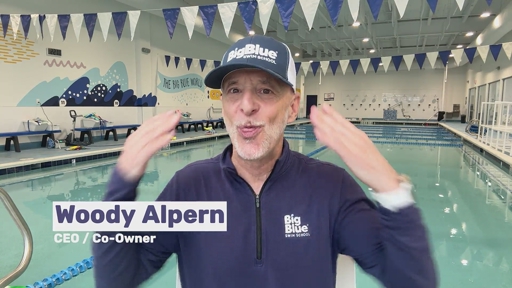
The article provides a generalized kids’ swim learning timeline, noting that progress varies by age, comfort level, lesson frequency, and practice consistency. It emphasizes that swim learning is a gradual, stage-based process focused on safety and confidence as much as technique, with typical durations ranging from weeks/months for younger groups to up to a year or more for some children.
This is not a tradable demand signal for POOL. The piece is effectively brand-adjacent educational content, and the economic linkage to Pool Corp’s sell-through is too diluted to matter absent confirmation from permits, dealer inventories, or discretionary home-improvement spend. If anything, the closest beneficiary is the broader aquatics ecosystem — local lesson operators, community pools, and commercial facility contractors — not a distributor whose value depends on new build/remodel and replacement cycles.
The second-order read is that the message reinforces a safety-and-participation narrative around swimming, which could marginally support pool utilization and chemical/service demand over time. But that is a slow-burn effect, likely measured in seasons rather than weeks, and it is swamped by the more important drivers for POOL: mortgage rates, housing turnover, consumer confidence, and weather patterns. Near term, this should have zero earnings or multiple impact.
Contrarian view: the market may be tempted to infer a leisure-category tailwind from any pool-related content, but that is probably overreading the signal. The better tell would be rising residential pool permits or improving specialty retail commentary from builders and dealers. Until then, the prudent stance is to treat this as noise and avoid forcing a thesis.
AI-powered research, real-time alerts, and portfolio analytics for institutional investors.
Request TrialOverall Sentiment
neutral
Sentiment Score
0.00
Ticker Sentiment
