
Maine Collins-Jackson Debate Highlights Fight for Senate Control
Source: Bloomberg
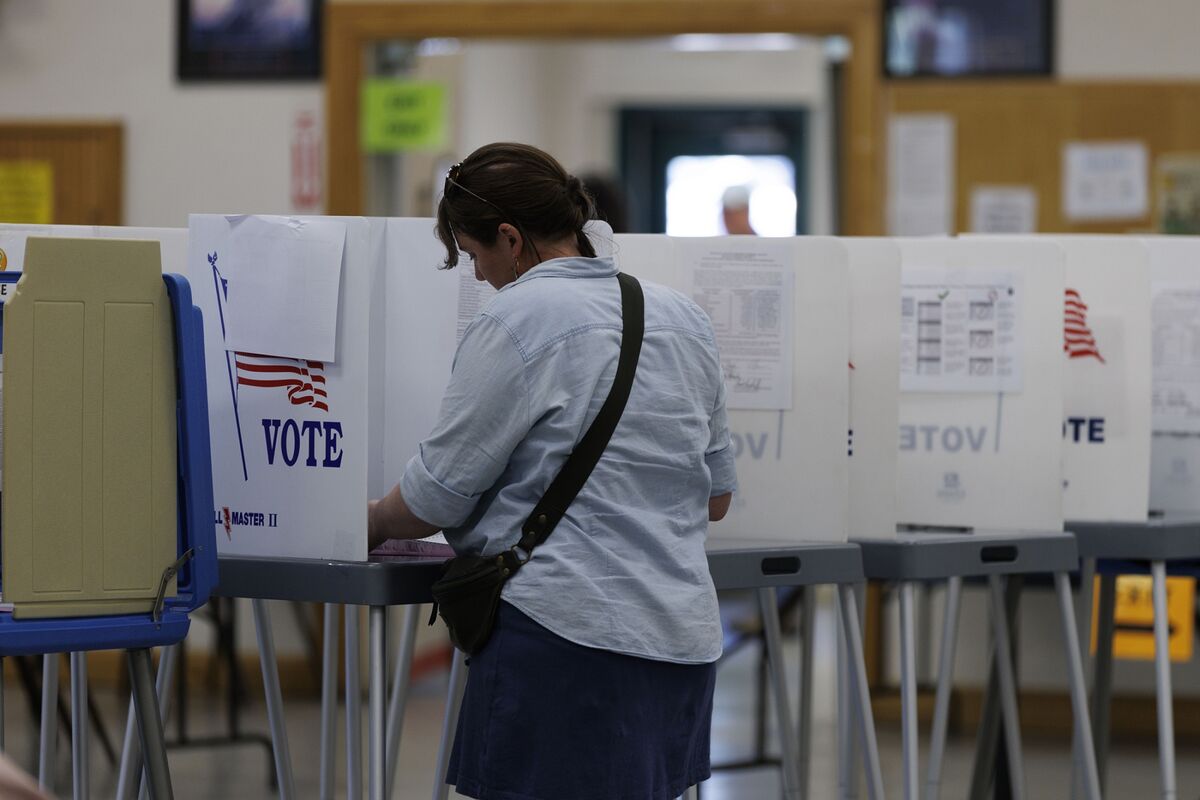
Maine Republican Senator Susan Collins, 73, is set to debate Democrat Troy Jackson in a closely contested Senate race described as pivotal to control of the chamber. The article says Senate control could shape federal spending, taxes and Supreme Court picks; it reports no debate outcome or market reaction.
Analysis
The debate matters to markets only insofar as it changes the probability of Senate control; a single race is not, by itself, a fiscal-policy catalyst. The transmission is indirect: control can alter the odds of tax, spending, and judicial outcomes, but policy still depends on the House, presidential action, and legislative constraints. Any immediate reaction in Treasuries or sector shares is therefore more likely to reflect a shift in perceived policy optionality than a near-term change in cash flows.
Over days, watch whether credible polling or election-forecast updates materially move the Senate-control probability. Over 1–3 months, the relevant catalyst is whether that change becomes durable and is reflected in market pricing. Over 6–18 months, enacted policy—not campaign positioning—would drive sector winners and losers. A plausible contrarian risk is over-interpreting debate performance: it may attract attention without meaningfully changing voter behavior or control odds. Conversely, a close race could be underpriced if markets treat the seat as settled before stronger evidence arrives. No direct trade is supported by the article alone.
AllMind Terminal
AI-powered research, real-time alerts, and portfolio analytics for institutional investors.
Request TrialMarket Sentiment
Overall Sentiment
neutral
Sentiment Score
0.00
Key Decisions for Investors
- Avoid initiating a standalone equity, rates, or options position on the debate. The article provides no polling shift, policy detail, or market-pricing evidence sufficient to establish an edge.
- Track multiple independent polling and election-forecast updates rather than debate commentary; treat a sustained change in Senate-control odds as the trigger for reassessing fiscal-policy exposure.
- If odds move materially, map the implied policy change to affected sectors only after checking the House and presidential constraints; do not assume control alone guarantees tax or spending legislation.
- Falsify any control-driven market thesis if subsequent polling and forecast updates reverse the move, or if Treasury yields and relevant sector spreads show no persistent repricing after the news.
More News
- UBS CEO warns ‘hard measures’ are needed to tackle French debt crisis, as turmoil worsens
- Student riots engulf France as far-right presidential frontrunner Le Pen vows fiscal turnaround
- JPMorgan and Deutsche Bank just upgraded Brazilian stocks. How to trade them
- Malaysia 2027 budget to tackle living costs, fiscal risks as election looms
- S&P 500 and Nasdaq surge to record highs after AI chipmaker rally
- Britain is on 'thin ice,' warns ex-Bank of England chief economist — and it must act to 'appease financial markets'