
Pet Containment Expert Lawrence Sowers Explains Hidden Fence Alternatives to Traditional Fencing in HelloNation
Source: PR Newswire
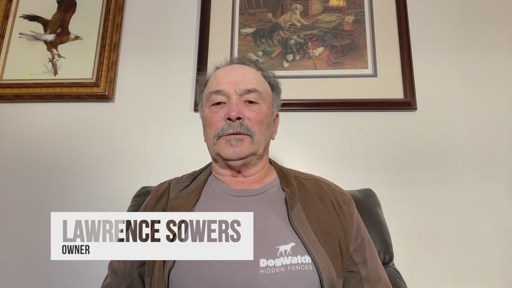
A HelloNation article compares hidden dog fences with traditional fencing, citing flexibility, lower structural maintenance, and compatibility with varied terrain and some zoning or HOA restrictions as advantages. Dog Watch of the Piedmont's featured systems include collars with batteries lasting up to two years, while Pro Fence and Smart Fence models add GPS tracking and rechargeable collars with a one-month battery life. The piece is promotional and provides no sales, financial results, or market reaction.
Analysis
This is sponsored, local-service content—not evidence of a material change in demand, pricing, or earnings for a publicly traded company. The economic mechanism is substitution: hidden systems may win where appearance, terrain, or HOA rules make physical fencing unattractive, but they are not a like-for-like replacement for a barrier that physically blocks people, wildlife, or determined pets. That limits the addressable substitution and makes training quality, installation support, and ongoing trust more consequential than feature claims alone.
The product claims—including long battery life and easier correction adjustment—are not independently verified here. GPS tracking could improve the premium proposition, but introduces a different reliability question: coverage and location accuracy when a pet is outside the boundary. A failure or safety incident could outweigh convenience benefits and damage category-wide trust. The article provides no adoption, unit economics, or customer-retention data to underwrite a company-level earnings effect.
Near term (days), there is no actionable market catalyst. Over 1–3 months, watch for independent product reviews, safety incidents, and evidence that installers are converting physical-fence inquiries into hidden-system sales. Over 6–18 months, the key question is whether GPS-enabled products sustain premium pricing and recurring customer engagement, rather than simply shifting purchases among private brands. The contrarian point is that convenience and aesthetics may be overstated versus owners’ preference for a physical fail-safe; conversely, zoning and difficult terrain create pockets of demand that broad fencing-market assumptions may miss. No issuer or ticker is established by the supplied data.
AllMind Terminal
AI-powered research, real-time alerts, and portfolio analytics for institutional investors.
Request TrialMarket Sentiment
Overall Sentiment
neutral
Sentiment Score
0.10
Key Decisions for Investors
- No trade on this item: the source is promotional and supplies no independently verifiable market, revenue, or margin data.
- Treat demand benefits as conditional and concentrated in properties where physical fencing is costly, restricted, or aesthetically undesirable; do not assume broad displacement of traditional fencing.
- Use independent reviews, safety/escape reports, installer conversion rates, and GPS coverage performance as watch items before underwriting a premium-product thesis.
- Falsify any category-growth thesis if reported adoption fails to convert into sustained pricing or repeat engagement, or if safety failures materially weaken consumer trust.
More News
- Binance co-CEO Richard Teng says hackers used fake job interviews, AI tool to steal $6.3 billion in crypto 108511116
- AMD stock jumps 7% on earnings as data center revenue nearly doubles
- Marvell Technology could plunge on latest multibillion-dollar acquisition
- Disney Plans Thousands of Layoffs Companywide
- AMD rides data center riches to ‘largest and most profitable’ quarter in history
- AMD’s OpenAI, Meta chip deals trigger $1 billion quarterly charge