
Xinhua Silk Road: Zwei Indizes zum Rudersport und zur Wiederbelebung der Hutongs in Shenyang vorgestellt
Source: PR Newswire
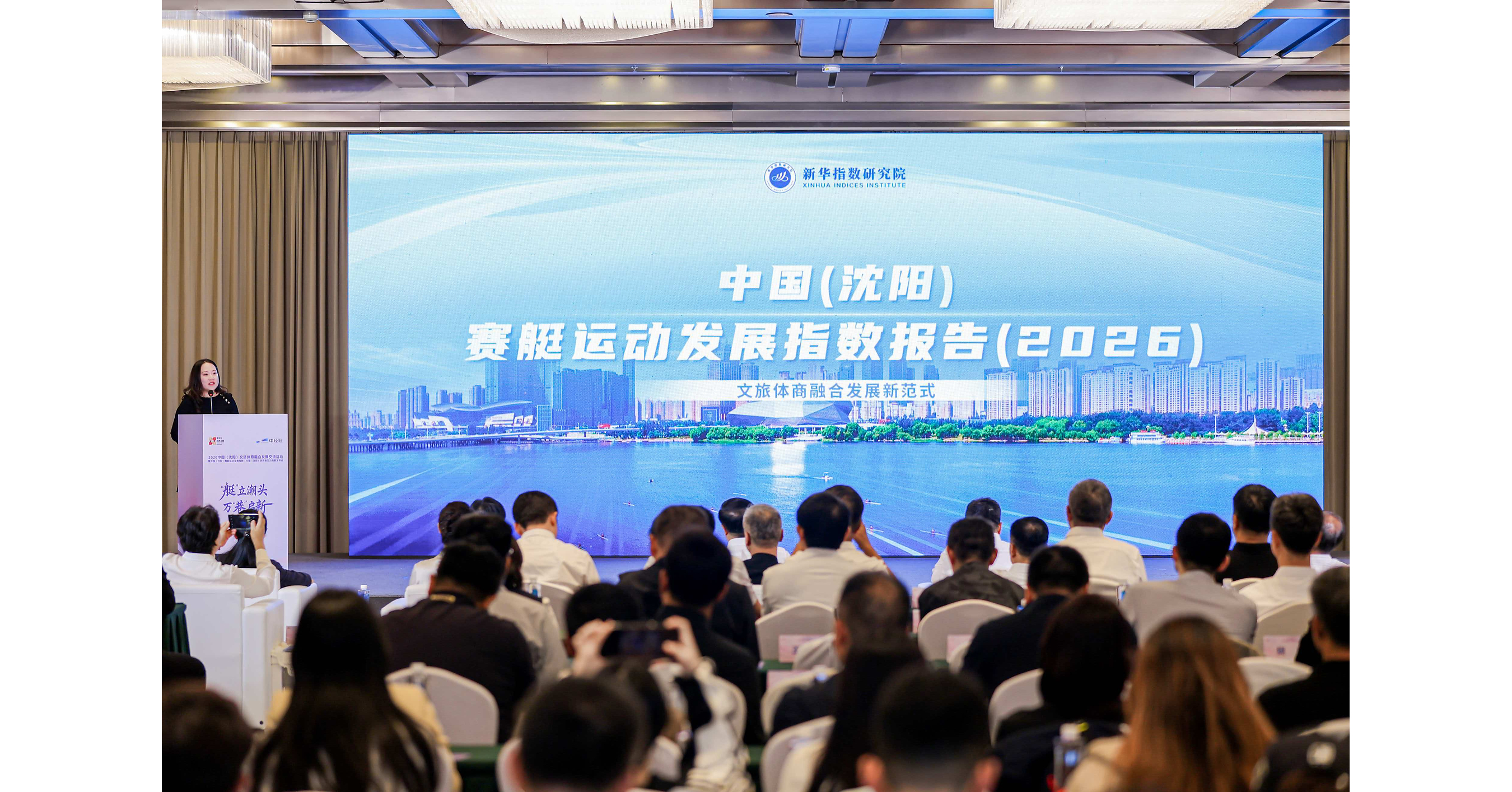
Shenyang launched annual development indices for rowing and hutong revitalization to benchmark the integrated growth of culture, tourism, sports and commerce. The city has renovated 67 historic hutongs, hosted more than 6,000 annual public performances in Laobeishi, and drawn over 2 million yearly visitors to Bajing Coffee Street. Officials aim to use rowing events and incremental urban renewal to support tourism, waterfront activation and consumer spending, but the announcement has limited direct public-market relevance.
Analysis
This is not yet an investable demand signal: municipal index launches and promotional claims do not establish incremental spending, project funding, or earnings exposure for listed companies. The relevant mechanism is a potential shift in Shenyang’s urban-renewal budget toward low-capex placemaking, which can lift local retail turnover and commercial rents before it supports broader construction volumes. For China property, this favors operators with existing high-footfall retail or hospitality assets over highly leveraged residential developers, whose earnings remain driven by home sales and land-market liquidity.
Over the next 1-3 months, monitor whether the initiative converts into disclosed fiscal appropriations, PPP tenders, transit/waterfront contracts, or hotel occupancy and RevPAR gains. A genuine catalyst would be a measurable increase in overnight stays and visitor spend, rather than visitor counts alone; day-trip traffic tends to dilute merchant margins after marketing and operating costs. Any local spending impulse is too small to alter national consumption or infrastructure estimates absent replication across provincial capitals.
The contrarian read is that heritage-led redevelopment can be deflationary for incumbent informal retail if rents, compliance requirements, and tenant mix are upgraded faster than tourist spending. It also raises execution risk for local-government financing vehicles: amenity projects generate indirect tax receipts but rarely produce cash flows sufficient to cover debt service. Until funding sources and listed-company contract exposure are identifiable, the appropriate stance is no directional trade rather than extrapolating a city-branding announcement into China consumer recovery.
AllMind Terminal
AI-powered research, real-time alerts, and portfolio analytics for institutional investors.
Request TrialMarket Sentiment
Overall Sentiment
mildly positive
Sentiment Score
0.30
Key Decisions for Investors
- No new position on this release; place a 1-3 month alert for Shenyang municipal budget amendments, urban-renewal/riverfront tenders, and disclosed PPP financing. Treat a named contract award to a listed contractor or operator as the minimum threshold for underwriting earnings impact.
- Maintain caution on China residential developers and broad property beta (e.g., KWEB or regional property ETFs where used) despite localized renewal headlines; reassess only if land-sales, presales, and developer funding spreads improve concurrently.
- For China travel exposure, watch national hotel operators such as H World Group (HTHT) and Trip.com (TCOM) for city-level occupancy and ADR disclosure rather than visitor-volume announcements. A trade requires evidence of sustained RevPAR uplift over two reporting periods; otherwise marketing-led traffic is unlikely to expand margins.
More News
- Italy to deploy warships to protect shipping through Bab al-Mandeb
- Pokémon card curbs send shares of Japanese online marketplace Mercari on a bumpy ride
- Australia’s central bank chief warns inflation risks materialising
- Asian stocks rise as oil retreat eases inflation fears, BOJ in focus
- US to Sell F-35s to Saudi Arabia in $24.3 Billion Deal
- How record diesel prices will rip through the U.S. economy. Trucks and rails are only the start