
Back Market Calls For Legally Mandated 10-Year Device Standard With Launch of 'Mine My Phone' a New Platform Exposing The Hidden Costs of Smartphone Extraction
Source: PR Newswire
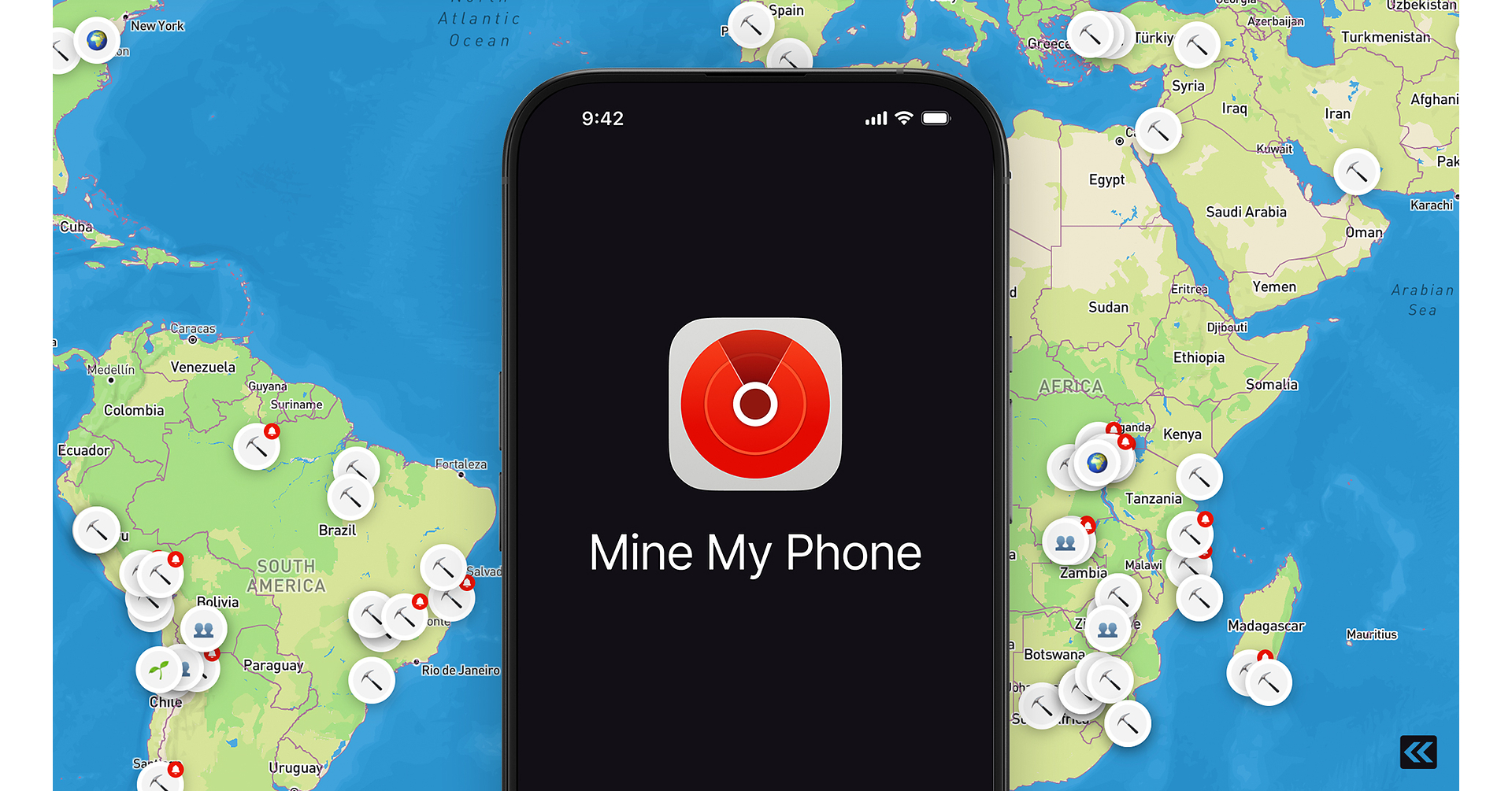
Back Market launched its Mine My Phone public-information platform and is advocating for legally mandated 10-year smartphone durability, repairability and software-support standards. The company says a 200-gram smartphone requires over 266kg of raw-material extraction, while extending productive device life from 2.5 to 10 years could avoid roughly 757kg of extraction per phone. Its survey of 6,000 consumers found 66% support 10-year device legislation and 49% would be more likely to buy refurbished after learning a refurbished phone can avoid about 243kg of raw-material extraction versus a new device.
Analysis
This is not yet a listed-equity catalyst; it is advocacy by a private refurbished-device marketplace. The investable signal is a slowly rising regulatory probability premium around repairability, spare-parts access, and software-support obligations—most relevant to European handset economics. For AAPL and Samsung Electronics (005930 KS), a 10-year support regime would raise engineering, inventory and warranty-tail costs, but likely favors scale players that can amortize compliance; the greater margin risk sits with low-cost Android OEMs and carriers whose upgrade economics depend on frequent subsidized replacements.
Near term (days to 3 months), the October coalition event is unlikely to move mega-cap hardware stocks absent manufacturer commitments or a legislative timetable. Monitor EU circular-economy proposals, UK parliamentary follow-through, and state-level US repair bills: concrete mandates on parts pricing, repair documentation, battery replacement, or support duration would matter more than broad sustainability language. A shift to longer replacement cycles could pressure unit growth for AAPL, QCOM, SWKS and Qorvo (QRVO), while improving the mix opportunity for repair and recommerce channels.
The non-obvious structural effect is commodity-demand elasticity: materially longer device lives reduce incremental handset volumes, but do not necessarily translate one-for-one into lower critical-mineral demand because AI data-center buildout, EVs and grid investment dominate marginal growth in copper, lithium and rare earths. Thus this is more negative for handset component volume than for diversified miners. Refurbishment penetration could also cannibalize entry-tier new phones first, concentrating premium OEM profits in higher-ASP, longer-lived devices rather than broadly impairing incumbents.
Contrarian view: mandatory longevity may be economically constructive for AAPL if it reinforces the installed-base model—services revenue, trade-in capture and certified-refurbished resale can monetize a device multiple times. The thesis turns negative only if regulation combines long software support with binding low-cost parts requirements and restrictions on proprietary repair, which would compress aftermarket economics and weaken ecosystem control.
AllMind Terminal
AI-powered research, real-time alerts, and portfolio analytics for institutional investors.
Request TrialMarket Sentiment
Overall Sentiment
mildly positive
Sentiment Score
0.18
Key Decisions for Investors
- No immediate directional trade: treat the October 15 summit as an alert, not a catalyst. Reassess only if named OEM partners, draft legislation, or enforceable support/parts-price requirements emerge.
- For a 6-18 month regulatory watch basket, prefer long AAPL versus short a lower-margin handset/component proxy such as QRVO or SWKS only after an EU or UK proposal specifies mandatory software-support duration. The relative thesis is AAPL's services and certified-refurbishment offset versus component unit-volume exposure; falsify if global smartphone units accelerate while regulatory text remains nonbinding.
- Avoid a broad short in lithium, copper, or rare-earth equities on device-longevity headlines. Handset demand is unlikely to be the marginal driver of these commodities; require evidence of revised OEM handset production plans before expressing a materials-demand view.
- Monitor AAPL disclosures for replacement-cycle length, trade-in volumes, certified-refurbished sales, and services revenue per installed device over the next 2-4 quarters. Rising device age alongside stable services monetization would support the view that longevity regulation is margin-manageable rather than a structural earnings risk.
More News
- China's AI chip blitz arms Xi with a message for Trump: 'You can't choke us off'
- Oil falls on report Asia will import highest volume of crude since start of Iran war
- America’s Asian allies want a Trump-Xi truce — but not at their expense
- OpenAI’s agent hacked Australia’s Medicare website—the latest rogue AI incident that the company didn’t know about for months
- Meta announces new lightweight virtual reality glasses to one-up Apple’s Vision Pro
- Trump evalúa prohibir exportaciones de diésel de EE.UU.