
Forage Fish Campaign Demands Immediate Action on "New" Science Reviewed Two Years Ago
Source: Newswire
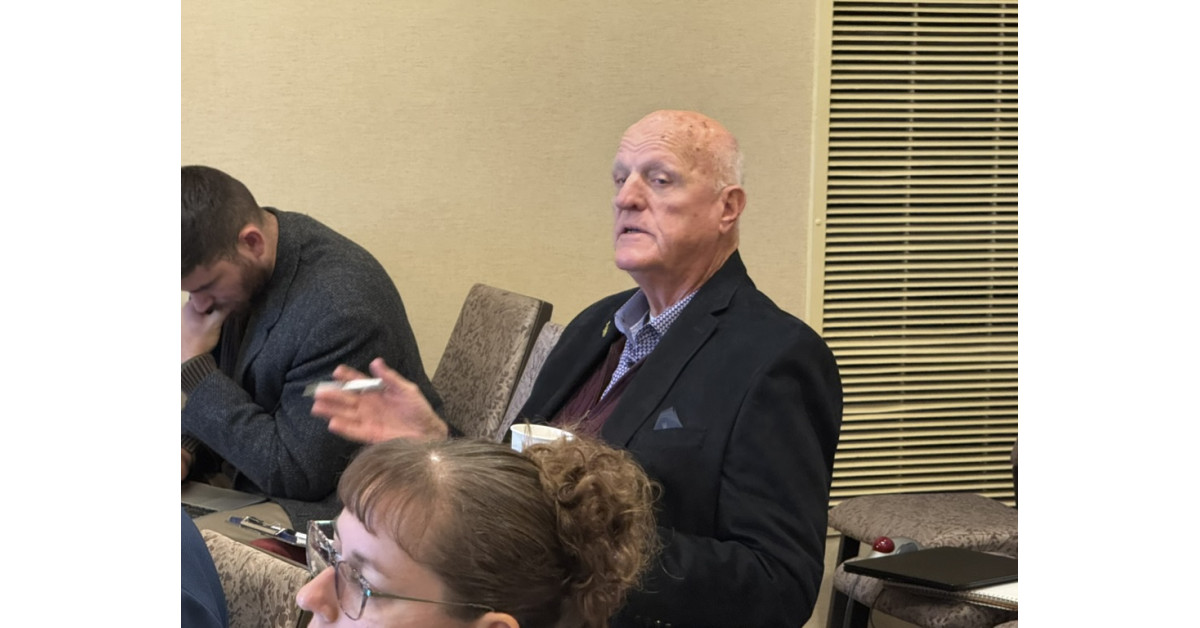
The article says the ASMFC reviewed Ault and Luo’s menhaden mortality analysis during the 2025 stock-assessment process, adopting a revised natural mortality rate of about 0.92 versus 1.17 previously, but not their estimate of about 0.50. The article reports the Technical Committee had significant methodological concerns; the lower rate changed estimated historical biomass, including an approximately 37% difference between the 2022 and 2025 assessment estimates, which ASMFC said was not an actual population decline. The dispute may inform calls for additional fishing restrictions, with labor and civil-rights groups warning of effects on workers and families.
Analysis
The investable signal is regulatory-process risk, not a sudden change in fish abundance. The technical committee’s prior review and the existing assessment create a meaningful hurdle to an immediate reversal; the campaign’s framing may therefore be more effective at shaping the politics and timing of management than at changing the scientific baseline. The countervailing risk is that a formal rebuttal or new technical review could keep the stock assessment contested and make future catch limits less predictable.
The economic exposure is asymmetric for the menhaden reduction-fishery chain: avoiding additional restrictions preserves access and related operating activity, while a tighter Chesapeake Bay or coastwide limit could pressure fishing, processing, and supplier volumes. But the article provides no company-level exposure or quantified earnings sensitivity, so this is not a basis for assigning public-equity winners and losers. Conservation groups and competing fisheries may benefit from tighter limits, but that outcome depends on management action, not publication alone.
Near term (days to weeks), watch the Management Board’s response and whether it requests new analysis; no immediate change to the assessment is established here. Over 1–3 months, a formal rebuttal, review schedule, or proposed restriction is the actionable catalyst. Over 6–18 months, the key structural risk is whether revised mortality assumptions alter reference points and allowable harvest. Treat this source cautiously: it is an industry-aligned advocacy release and does not independently resolve the methodological dispute. The contrarian point is that both sides may overstate what the paper’s publication changes: absent evidence of a new analysis or changed management decision, publication timing alone has limited incremental economic content.
AllMind Terminal
AI-powered research, real-time alerts, and portfolio analytics for institutional investors.
Request TrialMarket Sentiment
Overall Sentiment
mixed
Sentiment Score
0.00
Key Decisions for Investors
- No direct directional trade on this article. The supplied data identifies no listed company with material, verified menhaden exposure; avoid inferring a ticker or earnings impact from sector-level claims.
- Set a regulatory alert for the ASMFC Management Board: distinguish a request for further review from an adopted catch or area restriction. A formal review that delays new limits would reduce near-term downside for the fishery supply chain; a proposed or adopted tighter limit would increase it.
- Before expressing a view, verify whether the final paper contains evidence not included in the draft reviewed for the 2025 assessment, the committee’s written response, and the proposed limits’ geographic and fleet scope. Those details determine whether exposure is local or broader and whether the scientific dispute can change harvest rules.
- Falsification trigger for the status-quo view: the Board formally reopens the assessment, adopts the lower mortality estimate, or proposes materially tighter limits. Conversely, continued reliance on the 2025 assessment without new restrictions would weaken the case for an immediate policy-driven trade.
More News
- Marvell to buy Lumentum in $115 billion deal in AI data-center bet
- Palantir reports booming U.S. commercial revenue growth, topping government for first time
- Anthropic releases amended IPO prospectus with third-quarter financials
- Coinbase has been battered over the past month. Morgan Stanley says steer clear
- The AI boom is facing another supply crunch. This time it’s the amount of capital available to feed Silicon Valley’s endless need for cash
- Anthropic to Spend $895 Billion in the Years Ahead