
California Waste Solutions Plans New Renewable Energy Facility To Help Vietnam Achieve National Net Zero Target
Source: PR Newswire
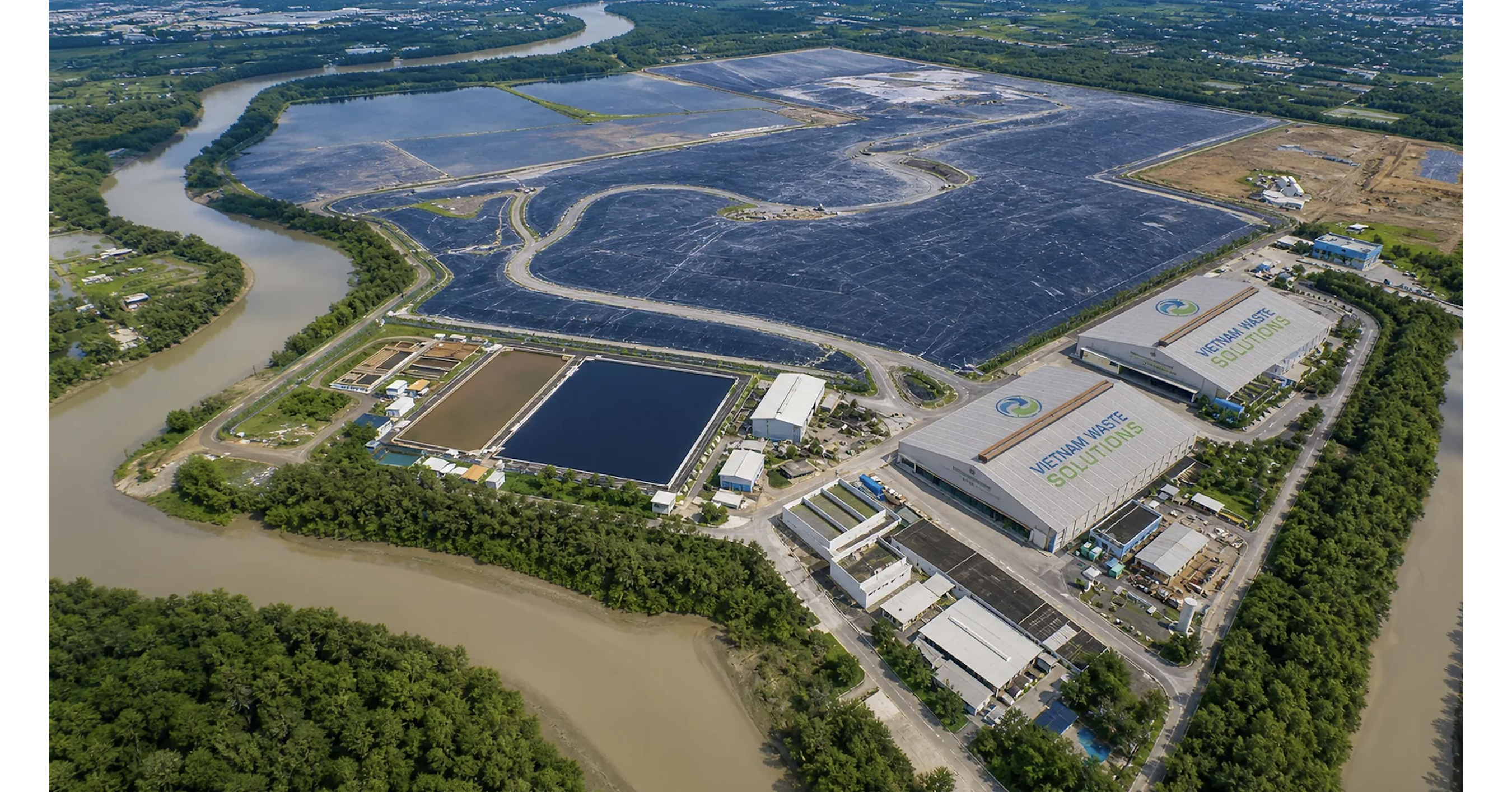
Vietnam Waste Solutions proposed a 50- to 60-megawatt waste-to-energy plant and expanded recycling capacity at its Da Phuoc facility near Ho Chi Minh City, a site handling up to 6,500 tons of municipal waste daily. The company says it is committing hundreds of millions of dollars to the conversion, in addition to roughly $200 million already invested in the existing landfill and environmental complex. The project remains subject to appraisal and permitting, but would support Vietnam's 2050 net-zero objective by reducing landfill volumes and generating power from residual waste.
Analysis
This is not yet an investable public-equity catalyst: the sponsor is private, no EPC, technology vendor, financing structure, power-purchase agreement, tipping-fee reset, or permit milestone has been disclosed. A 50-60MW facility is material only if it secures a long-dated inflation-linked waste-processing tariff and a bankable offtake contract; without both, waste-to-energy projects typically face capex overruns, low calorific-value feedstock, and politically constrained municipal pricing. The relevant near-term signal is permitting progress and procurement, not the announced capacity.
The second-order beneficiary could be Vietnam's distributed environmental-services ecosystem rather than renewable generators. A successful project would validate waste segregation, recycling and anaerobic/thermal-treatment investment around Ho Chi Minh City, potentially increasing demand for sorting, leachate-treatment, grid-interconnection, and emissions-monitoring equipment. Conversely, greater recovery of high-calorific recyclables can reduce incinerator feedstock quality, creating a tension between recycling targets and plant utilization that markets often overlook.
Over 1-3 months, watch for a named EPC/boiler supplier, signed electricity offtake, and provincial approval; these events would make supplier exposure actionable. Over 6-18 months, the key risk is that Vietnam's renewable-grid congestion and changing power-market rules leave a baseload waste-to-energy asset with delayed interconnection or below-model tariff realization. Carbon-credit upside should be discounted until an independently verified methodology establishes additionality versus the existing landfill-gas capture system.
Contrarian view: the strategic narrative is stronger than the financial evidence. Even full operation would be too small to alter Vietnam-wide power balances, while the project may nevertheless be locally important because it can preserve landfill capacity and reduce methane/liability exposure. That makes municipal contract economics—not electricity sales—the likely value driver.
AllMind Terminal
AI-powered research, real-time alerts, and portfolio analytics for institutional investors.
Request TrialMarket Sentiment
Overall Sentiment
mildly positive
Sentiment Score
0.38
Key Decisions for Investors
- No directional trade at announcement; place an event-driven watch on disclosed EPC, financing, permit, PPA, and waste-tipping-fee terms. Do not underwrite vendor revenue before a contract award.
- Monitor Babcock & Wilcox Enterprises (BW) and Veolia (VIE.PA) only as potential equipment/services beneficiaries, not recommendations: initiate research if either is formally named, then size against disclosed contract value and expected revenue-recognition schedule.
- For Vietnam-listed infrastructure exposure, monitor Refrigeration Electrical Engineering (REE.VN) and PC1 Group (PC1.VN) for grid/interconnection or energy-services contract announcements. A signed contract, rather than project approval alone, would be the entry trigger.
- Treat a delayed permit, absence of a bankable offtake agreement within 12 months, or an indicated tariff below project-level cost of capital as thesis falsifiers; these would imply the project remains a strategic municipal asset rather than a scalable investable template.
More News
- What investors need to know about Alphabet's stock-busting earnings report
- Budget 2026 speech
- The UK cuts energy bills, taxes banks and boosts defense in high-stakes budget
- Microsoft's Big Bets on AI Start to Pay Off
- Google's Gemini 4 Carbon looks like a diamond in the rough
- Microsoft’s strong quarter backs up its stock rebound. Here's our new price target