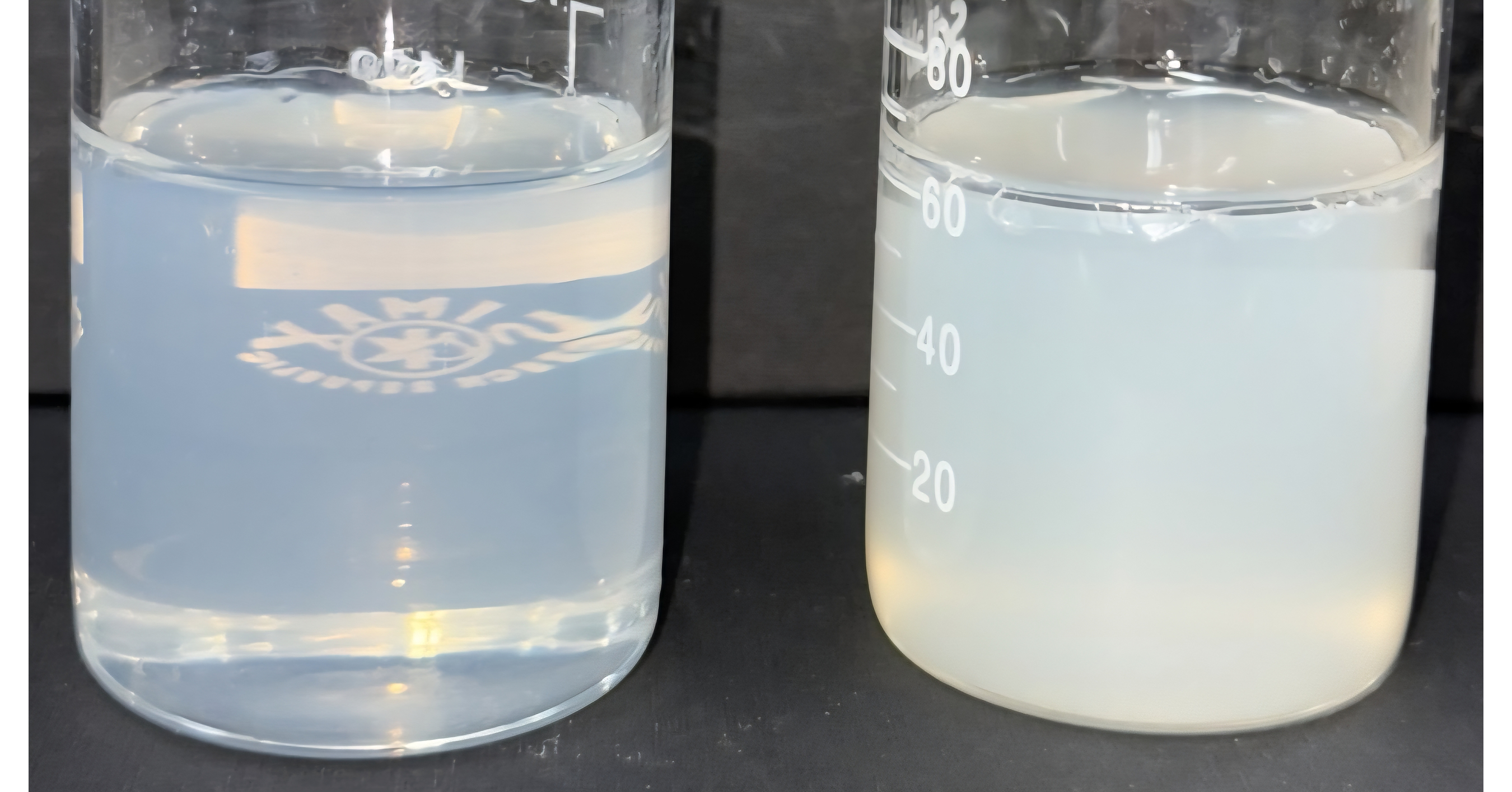
Shinsung Materials highlights a new patent (Korean Patent No. 10-1937332) for purifying Ecamsule (TDSA), improving formulation handling, storage stability, and transportation efficiency by using a tromethamine-based neutralization process. The company also commercialized the UV filter in a high-purity powder form and claims enhanced UVA photostability while meeting USP 44 purity/quality standards, aimed at expanding use in sunscreens and hybrid skincare. Separately, it introduced COSMOS-certified oil thickeners (Dextrin Palmitate, Stearoyl Inulin) as part of its clean-beauty/eco-friendly positioning, which may support broader competitiveness but is not detailed as a near-term financial catalyst.
This is more a moat-validation signal than a near-term earnings catalyst. If the formulation really clears U.S. stability and handling hurdles, the economic winner is not the headline company alone but the broader K-beauty OEM/ODM ecosystem and brands that can use a once-scarce UV filter without paying import/royalty economics. For LRLCY, the risk is mostly narrative: any erosion of an exclusivity premium matters to valuation only if it translates into slower innovation-led mix, which is likely a basis-point issue at this stage.
The catalyst path is slow. Over the next 1-3 months, the market should care less about the patent and more about third-party proof: actual U.S. launches, retailer adoption, and whether the ingredient performs in higher-volume formats without instability or sensory tradeoffs. Over 6-18 months, successful local sourcing can compress specialty ingredient pricing and improve supply-chain resilience for sunscreen and hybrid skincare, while pressuring incumbents that previously controlled access.
Contrarian view: investors may be overpricing the commerciality of an ingredient patent and underpricing formulation friction and regulatory inertia. The real read-through will be customer gross margin improvement and repeat purchase volumes, not the press release itself; if those do not show up by the next two quarters, the competitive implication is mostly noise. For LRLCY, any negative read-through should be small unless category share data show a meaningful shift away from incumbent-ingredient-led positioning.
AI-powered research, real-time alerts, and portfolio analytics for institutional investors.
Request TrialOverall Sentiment
mildly positive
Sentiment Score
0.15
Ticker Sentiment
