
CraniUS Therapeutics Secures Second FDA 510(k) Clearance in Six Weeks and Earns U.S. Patent for NeuroPASS™ 3 Cranial Drug Delivery System
Source: PR Newswire
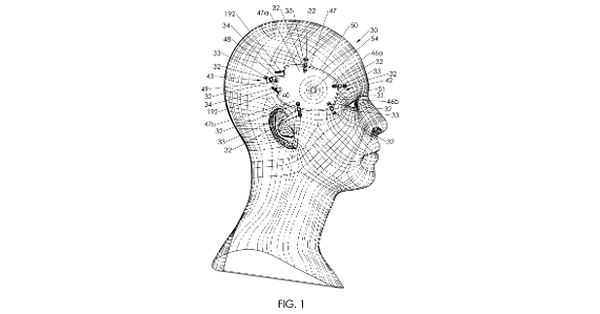
CraniUS Therapeutics announced FDA 510(k) clearance for NeuroPASS 2, the company’s second clearance in about six weeks; the configuration adds an opening designed to accommodate an implantable intracranial pressure sensor, which is not part of the cleared device. The USPTO also issued a patent covering the integrated drug-delivery architecture for investigational NeuroPASS 3. CraniUS is completing nonclinical work and targets a first-in-human study in Q2 2027; NeuroPASS 3 and its drug-delivery functions are not FDA-cleared or approved.
Analysis
The key distinction is between regulatory progress on a reconstructive implant and validation of the higher-value sensing/drug-delivery platform. The new plate configuration may reduce a future hardware-integration hurdle, but it does not clear the sensor or establish demand, reimbursement, or clinical utility. Near term, the announcement is more likely to strengthen CraniUS’s fundraising and partnering narrative than produce measurable revenue; the company is private, so there is no direct listed-equity expression.
Over 1–3 months, look for evidence that surgeons adopt the cleared plate in routine reconstruction and that any sensor partner has a product and regulatory path compatible with the opening. Without that, the incremental commercial value of NeuroPASS 2 is modest. Over 6–18 months, NeuroPASS 3’s economics depend on nonclinical performance, a credible first-in-human timeline, and a viable drug/device development partnership—not patent issuance alone. Patent scope, enforceability, and freedom to operate remain unverified.
The contrarian read is that the platform story may be getting ahead of proof: a 510(k) substantial-equivalence decision on the plate is not validation of intracranial monitoring or drug delivery. Conversely, successful adoption of the plate could create surgeon familiarity and a later installation base, an option the market may underweight if clinical and partner milestones are met. The thesis weakens if adoption is not demonstrated, the preclinical package slips, or first-in-human planning moves beyond the stated 2027 target.
AllMind Terminal
AI-powered research, real-time alerts, and portfolio analytics for institutional investors.
Request TrialMarket Sentiment
Overall Sentiment
moderately positive
Sentiment Score
0.45
Key Decisions for Investors
- No direct position: CraniUS is private and the announcement provides no clean listed-company read-through. Avoid treating broad neurotechnology or medical-device proxies as a substitute exposure.
- Add NeuroPASS to a catalyst watchlist; seek evidence of plate placements, surgeon/customer uptake, and any sensor-partner commitment before assigning commercial value to NeuroPASS 2.
- Treat NeuroPASS 3 as high-risk development optionality, not a near-term revenue thesis. Reassess only when nonclinical results, flow-regulator performance, regulatory strategy, and first-in-human readiness are disclosed.
- Falsification alerts: adoption fails to emerge, nonclinical milestones or the stated first-in-human target slip, or subsequent disclosures show material limitations in patent scope or the integrated system’s performance.
More News
- Why is SK Hynix stock gaining today?
- High Court coal decision, Firmus IPO, diesel prices
- Elon Musk blames Indian 'oligarchs' for stalling Starlink launch
- Former world No. 1 Jon Rahm's lawyer tells court Spaniard is done with LIV Golf after three seasons
- Anthropic will be 'most ridiculous IPO' of year, analyst says
- Levi Strauss hikes profit guidance after tariff refunds, but its sales outlook is less optimistic