
CABOT ANNONCE « CABOT WILDS », LA TOUTE NOUVELLE DESTINATION DE LUXE DÉDIÉE AU GOLF ET À L'ART DE VIVRE EN NOUVELLE-ÉCOSSE
Source: PR Newswire
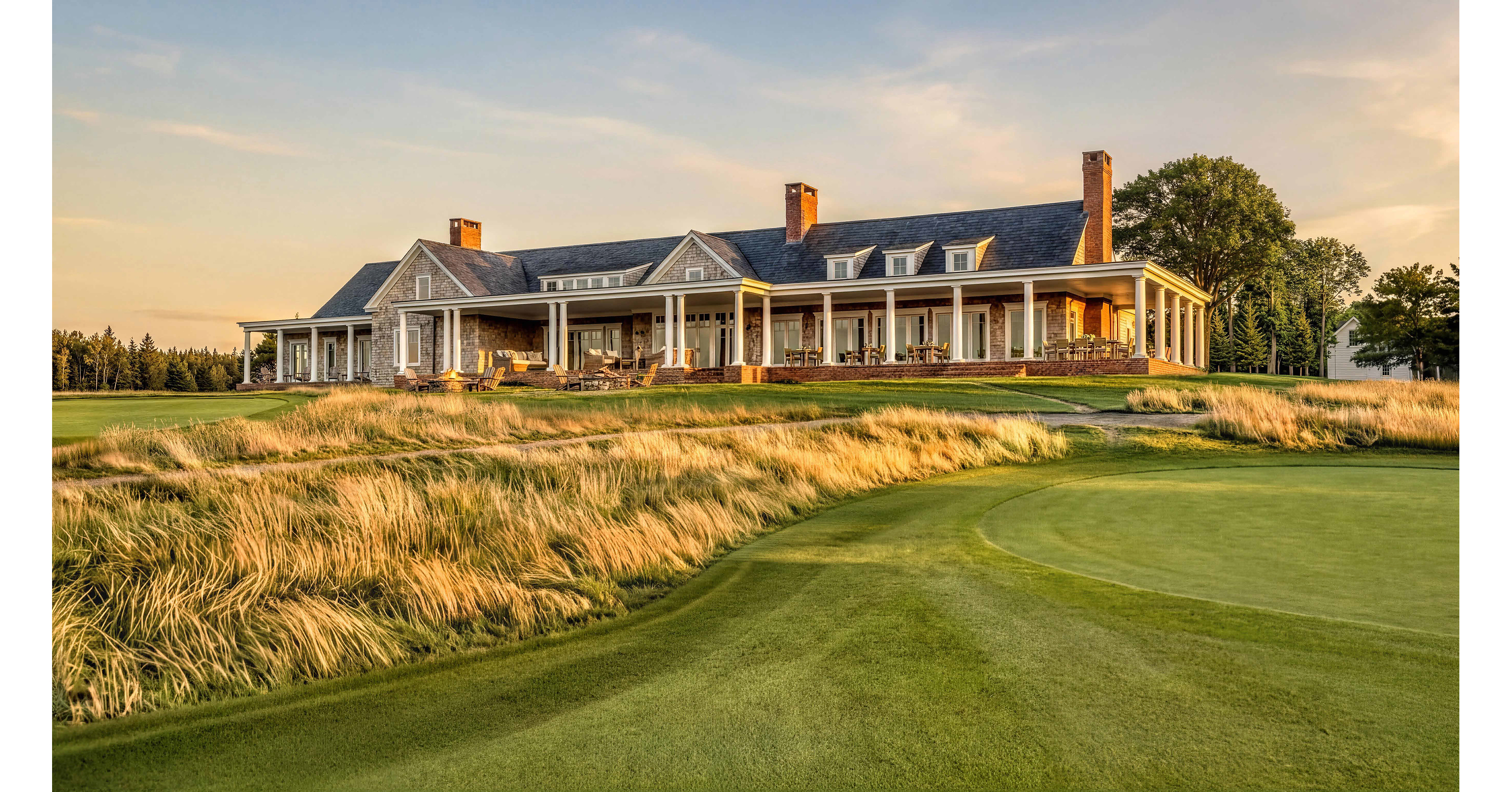
Cabot lancera fin 2027 Cabot Wilds, un complexe de golf et résidentiel de luxe de 2 500 acres dans le comté de Cumberland, en Nouvelle-Écosse, développé avec John Bragg et sa famille. Le projet comprendra un parcours de 18 trous conçu par Jeff Mingay, des cottages et terrains résidentiels, un clubhouse, des installations de bien-être et des activités de plein air. Le développement sera inscrit au programme de certification environnementale Platinum Signature Sanctuary d’Audubon International.
Analysis
There is no direct public-equity read-through to CBT: Cabot Corp. is a specialty-chemicals company, not the private luxury-resort developer referenced here. The supplied ticker linkage is therefore erroneous, and this announcement should not affect CBT estimates, valuation, or positioning. Avoid trading CBT on this news.
For investable travel and real-estate proxies, the economic signal is too early-stage to underwrite. A destination resort opening on a multi-year buildout creates localized construction, labor, and tourism demand, but any revenue accrues first to private developers and residential buyers; public hotel operators such as MAR, HLT, and VAC lack a disclosed contractual exposure. The relevant gating variable over the next 12-24 months is pre-sales absorption and financing terms, not golf-course demand.
The non-obvious risk is execution rather than demand: remote luxury assets require reliable airlift, seasonal staffing, and high-margin ancillary spend to offset a relatively narrow peak-season window. Environmental certification is reputationally helpful but does not eliminate permitting, watershed, or construction-cost risk. If luxury second-home demand weakens, developers typically preserve headline pricing while increasing incentives, which can impair project economics before it appears in reported comparable sales.
Contrarian view: the resort-development narrative is unlikely to move listed lodging multiples because it is immaterial against their global room bases. Treat future announcements of branded-management agreements, publicly traded financing, or material supplier contracts as the actionable trigger; absent those disclosures, this is a watch item rather than a trade catalyst.
AllMind Terminal
AI-powered research, real-time alerts, and portfolio analytics for institutional investors.
Request TrialMarket Sentiment
Overall Sentiment
mildly positive
Sentiment Score
0.38
Key Decisions for Investors
- No action in CBT; flag the ticker mapping as invalid and prevent event-driven systems from attributing this release to Cabot Corp.
- Do not initiate positions in MAR, HLT, VAC, or leisure ETFs on this announcement; reassess only if a listed operator discloses a management/franchise agreement or project exposure.
- Monitor Canadian luxury second-home indicators over the next 6-12 months: pre-sale velocity, mortgage spreads, and construction-cost inflation. Weak absorption or rising incentives would be a negative read-through for private resort economics, not a basis for a broad public-hotel short.
- Set an event alert for disclosed project financing, environmental/permitting challenges, or a public supplier contract. Those developments could create identifiable exposure and a tradeable catalyst.
More News
- Americans' incomes rose and poverty fell in 2025, Census Bureau says
- Factbox-Private equity, foreign investors fuel Aussie M&A activity in 2026
- Trip.com swings to Q2 loss after $763 million antitrust penalty
- Saudi-led coalition intercepts drone headed for Mecca
- US data centers could consume more natural gas than Germany and Japan combined by 2035
- SpaceX will try to put Starship in orbit for the first time on September 22
From AllMind Research
- Anthropic IPO Preview: Valuation, Timing, and What to Watch
- Shein After the IPO: Venue, Valuation, and What Must Be Proved
- What AI Research Tools Should a Small Hedge Fund Buy First?
- State of M&A and Private Markets, June 2026: A $4.9 Trillion Rebound, Underwritten on Money That Never Got Cheaper
- Run Cost-Controlled Financial Research in AllMind Agent Studio