
Brent crude reaches $100 as war in Iran intensifies
Source: MarketWatch
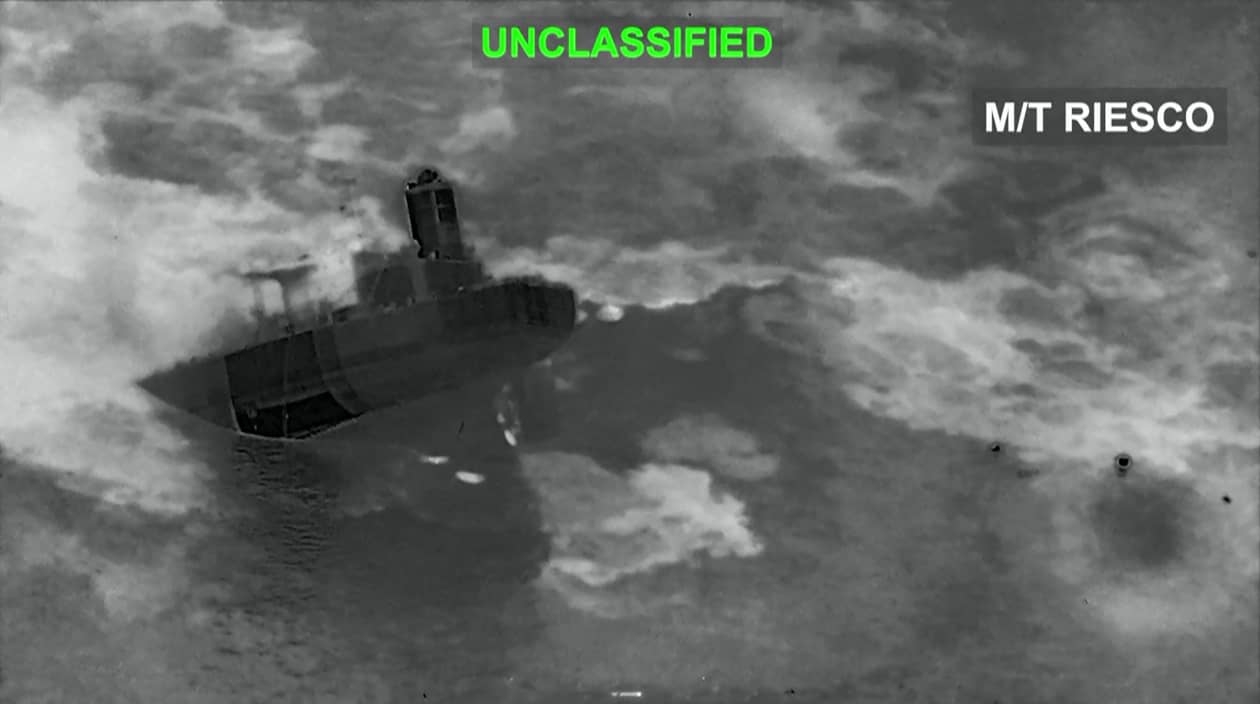
Brent crude briefly surged to $100.18 per barrel before easing to $99.95, its highest level since July 23, as fresh U.S.-Iran strikes intensified the conflict. The escalation raises risks of supply disruption and broader energy-driven inflation, with potential market-wide implications for oil-sensitive assets and risk sentiment.
Analysis
The investable question is not whether Brent can print $100, but whether physical dislocation converts the geopolitical premium into sustained backwardation and higher realized prices. A short-lived risk premium primarily benefits oil-service, tanker and insurance exposures less than upstream producers; a disruption lasting more than 30 days would shift the earnings revision cycle decisively toward XLE constituents and high-beta E&Ps. Refiners face a more mixed outcome: Gulf Coast names with discounted domestic feedstock can outperform, while globally exposed refiners absorb working-capital pressure and demand destruction risk.
Second-order pressure should emerge in transport, chemicals and consumer cyclicals before it is fully reflected in consensus estimates. Airlines and trucking have limited near-term ability to pass through fuel costs, making DAL, UAL and JBHT more vulnerable than broad industrials; chemical margins at DOW and LYB are similarly exposed if crude-derived feedstocks rise faster than product pricing. Conversely, tanker rates could rise disproportionately if route avoidance or longer voyages tighten effective vessel supply, favoring FRO and STNG over a pure directional crude expression.
The contrarian case is that a three-digit print invites demand destruction, coordinated inventory releases and accelerated diplomatic efforts, while speculative length can unwind sharply if shipping flows remain intact. Over the next days, watch prompt-spread widening, Persian Gulf transit data, tanker insurance premia and refined-product cracks rather than the flat price alone. A failure of front-month Brent to hold above $95 alongside narrowing backwardation would indicate that the move is financial rather than physical and should cap the equity upside.
For a 1-3 month horizon, the best asymmetry is a relative-value energy exposure rather than chasing front-month futures after a volatility spike. Six to eighteen months out, sustained high oil strengthens the cash-return case for low-leverage E&Ps but also raises recession risk and ultimately compresses their multiples; positions should be sized for a sharp reversal once supply continuity is established.
AllMind Terminal
AI-powered research, real-time alerts, and portfolio analytics for institutional investors.
Request TrialMarket Sentiment
Overall Sentiment
moderately negative
Sentiment Score
-0.45
Key Decisions for Investors
- Initiate a 1-3 month long XLE / short XLI pair only if Brent prompt spreads continue to widen for five trading days; target 5-8% relative outperformance, with a stop if Brent closes below $95 and backwardation narrows materially.
- Favor FRO and STNG over outright upstream beta for an initial 2-6 week disruption trade; take profits if Gulf transit normalizes or tanker-rate gains fail to follow within 10 trading days, as the thesis requires physical rerouting rather than merely higher crude prices.
- Hedge cyclical fuel exposure through a tactical short basket of DAL and UAL versus long XLE, sized modestly for 30-60 days; reassess immediately if jet-fuel cracks compress or airlines demonstrate fare pass-through in booking data.
- Do not chase broad E&P calls at current implied volatility. Set an alert for a sustained Brent settlement above $102 with rising physical differentials; that combination would justify adding high-operating-leverage names such as FANG and DVN, while a sub-$95 reversal invalidates the incremental long thesis.
More News
- Saudi Arabia intercepts missiles and drones as fighting with Houthis rages
- France’s latest debt warning describes a country where governance is breaking down — and even doing too little, too late is barely possible
- Israelis hold final rally against Netanyahu ahead of what may be the most consequential election in the country’s history
- Brookfield to open Qatar office as it expands Middle East operations
- First Russian diesel tanker heads to New York after Trump's deal with Putin to lower fuel prices
- Saudi Arabia intercepts drones and missiles as fighting with Yemen’s Houthis continues
From AllMind Research
- Anthropic IPO Preview: Valuation, Timing, and What to Watch
- Shein After the IPO: Venue, Valuation, and What Must Be Proved
- What AI Research Tools Should a Small Hedge Fund Buy First?
- Weekly Update: Sector Analysis, Improvements on Research Data, and Performance Enhancements
- Choosing an AI Copilot for Equity Research