
Rupee Nears Record Low Even as RBI Signals Further Tightening
Source: Bloomberg
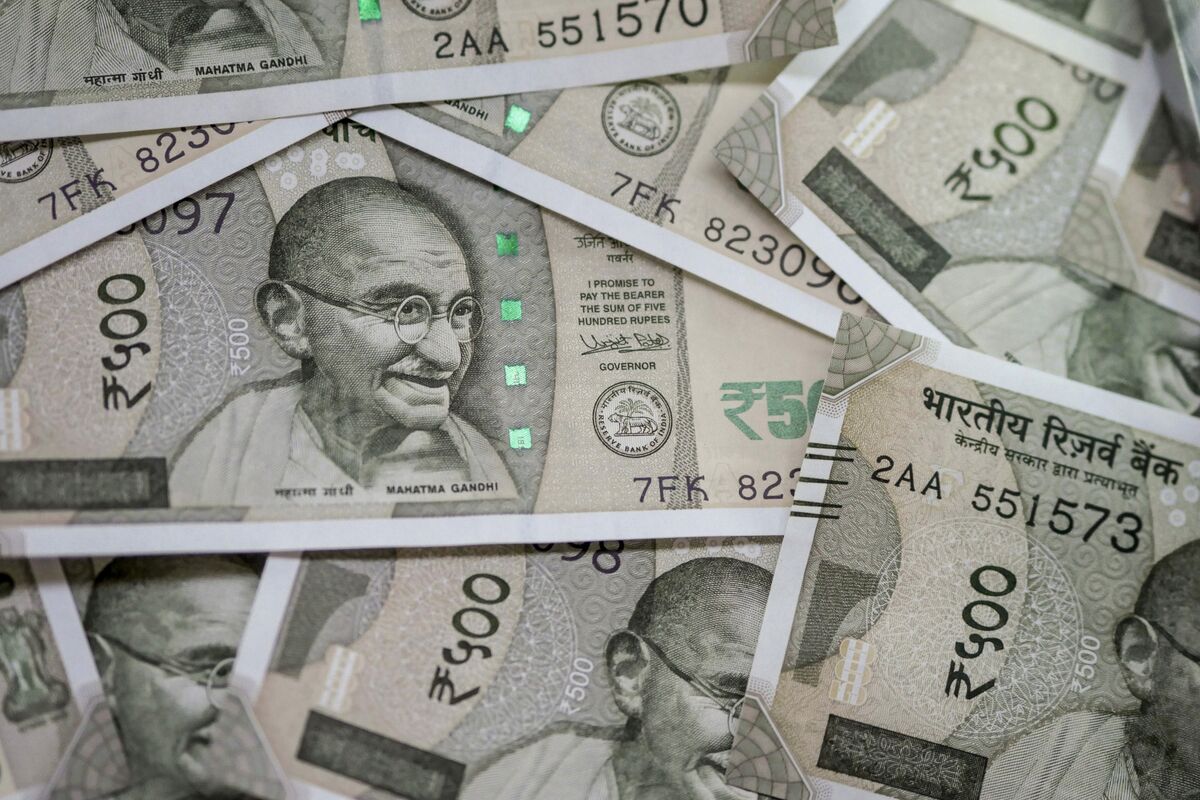
The rupee neared a record low despite the RBI’s rate hike and signal of further tightening. Traders reportedly judged the move insufficient to drain excess cash and support the currency; a weak monsoon is also raising food-price risks, while a weaker rupee makes imports more expensive. Indian stocks fell after the expected rate increase, with Wall Street losses weighing on Asian markets.
Analysis
The FX signal matters more than the rate decision: if tighter policy fails to support the rupee because liquidity conditions remain loose, markets may demand a higher risk premium before rate hikes translate into currency support. A weaker currency also imports inflation, while food-price shocks could make the RBI’s policy path more restrictive than domestic growth-sensitive assets currently imply. That combination is adverse for duration and for businesses exposed to imported fuel or other inputs; exporters may gain translation support, but that benefit is vulnerable to global demand weakness.
Over days, broad dollar strength and risk-off trading can dominate local policy. Over 1–3 months, watch for persistent INR weakness to trigger stronger liquidity absorption, FX intervention, or further rate repricing. Over 6–18 months, repeated food and currency shocks could raise the cost of capital and weigh on investment. The contrarian risk is that traders are over-interpreting one session: intervention, seasonal flows, or a reversal in the dollar could stabilize INR without additional hikes. Verify spot/NDF behavior, RBI liquidity operations and intervention, food inflation, and the current-account trend before sizing exposure.
AllMind Terminal
AI-powered research, real-time alerts, and portfolio analytics for institutional investors.
Request TrialMarket Sentiment
Overall Sentiment
mildly negative
Sentiment Score
-0.35
Key Decisions for Investors
- Conditional, defined-risk expression: consider a USD/INR call spread only if the rupee remains weak after the initial RBI response and implied volatility does not make the premium prohibitive. Avoid an unhedged short-INR position into possible RBI intervention; exit the thesis if INR stabilizes alongside evidence of tighter liquidity or a broad dollar reversal.
- Keep Indian duration exposure cautious over the next 1–3 months; prefer waiting for confirmation in local yields and RBI liquidity operations rather than assuming the policy signal alone will drive rates higher. Falsifier: yields ease while INR stabilizes and food inflation moderates.
- Within equities, favor exporters over import-cost-sensitive businesses only selectively: currency translation can help exporters, but weaker global demand may offset it. Track earnings guidance and input-cost pass-through before initiating a sector pair; do not treat INR depreciation as uniformly positive for exporters.
- Monitor monsoon-linked food inflation and imported-fuel costs as the key catalysts. If these pressures recede and INR weakness proves temporary, reduce bearish India exposure—the FX/inflation feedback loop would be materially weaker than the current market concern implies.
More News
- Tanker hit by multiple projectiles off north coast of Qatar, UKMTO says
- US stocks slide as oil prices fluctuate over renewed Iran war fears
- Oil, Inflation Fears Derail Record US Stock Rally
- Asia shares subdued, bonds swamped by AI debt wave
- Megacaps Are Back Driving the US Stock Rally in Hot-Running Economy
- Fed officials see another hike coming, but no sign as to when, minutes show