
JACC:Clinical Electrophysiology publica los resultados del ensayo Field PULSE de Field Medical
Source: PR Newswire
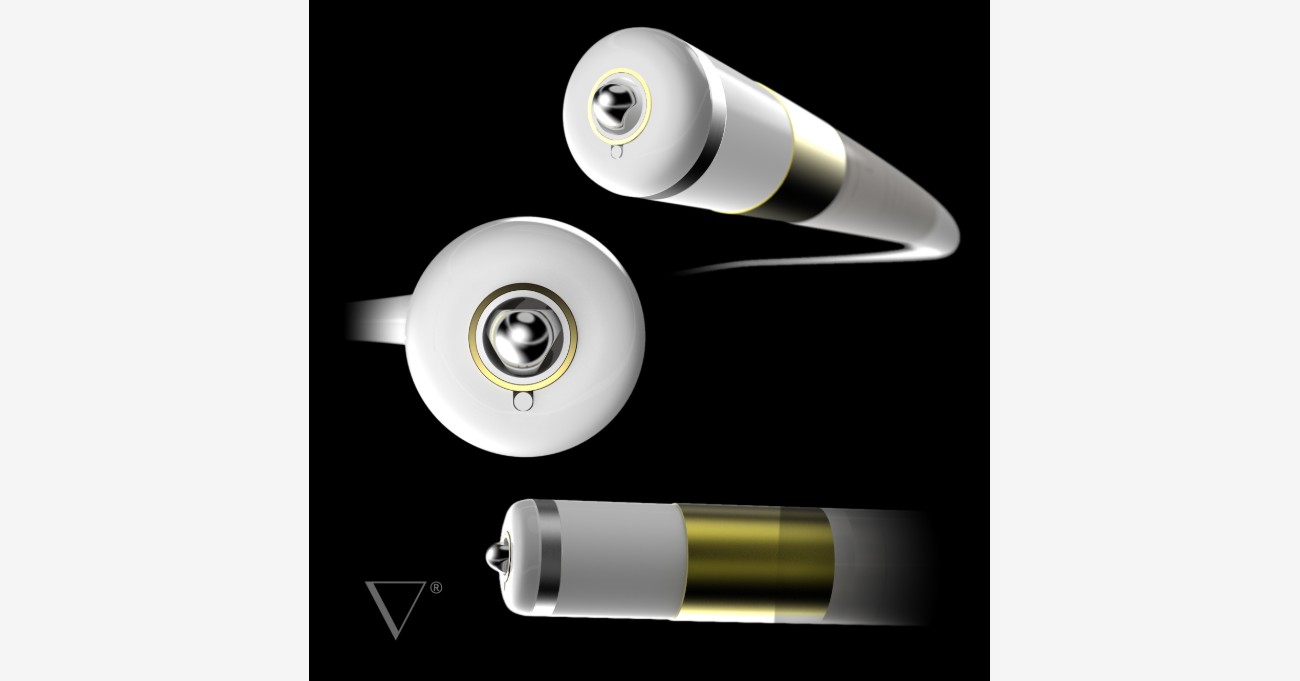
Field Medical published 12-month first-in-human FIELD-PULSE trial data showing 94.2% pulmonary-vein isolation durability per vein, 80% freedom from atrial arrhythmias and no primary safety events with its optimized high-voltage focal PFA waveform. Median PVI ablation time was 13 minutes, with a minimum of 7.7 minutes, while 49% of patients received additional non-pulmonary-vein ablation. The peer-reviewed JACC publication and HRX 2026 presentation strengthen clinical evidence for the investigational FieldForce PFA platform, though the device remains limited to research use.
Analysis
The investable read-through is not Field Medical itself, which remains private, but whether focal high-voltage PFA can preserve point-by-point flexibility in anatomies where single-shot PFA systems are less suited. That capability is strategically most relevant to ventricular tachycardia and complex atrial work, where procedural efficacy and lesion control—not simply speed—drive adoption. A credible focal alternative could ultimately pressure the premium placed on broad PFA platform leadership at Boston Scientific (BSX), Medtronic (MDT), Johnson & Johnson (JNJ), and Abbott (ABT), but the current evidence is insufficient to alter near-term revenue estimates for any incumbent.
Near-term, this is primarily a private-market validation event rather than a public-equity catalyst. The key gating variables over the next 12-24 months are FDA trial design and enrollment, reproducibility in larger multicenter cohorts, durability beyond protocol-driven remapping, and complication rates in real-world operators; first-in-human studies systematically understate workflow variability. The contrarian point is that faster application time alone may not translate into lab-throughput gains if mapping, transseptal access, anesthesia, and post-ablation validation remain the bottlenecks; a meaningful commercial threat requires demonstrable total procedure-time reduction and reimbursement-neutral economics.
For incumbents, the more important second-order risk is segmentation: focal PFA could expand the addressable market for complex ablation rather than merely displace existing AF procedures. BSX and MDT are best positioned to respond through installed electrophysiology lab relationships and mapping ecosystems, while ABT faces relatively greater strategic risk if focal PFA becomes the preferred adjunct for complex substrate work. Any valuation impact should wait for regulatory milestones or evidence that Field can scale catheter manufacturing and physician training without eroding its claimed workflow advantage.
AllMind Terminal
AI-powered research, real-time alerts, and portfolio analytics for institutional investors.
Request TrialMarket Sentiment
Overall Sentiment
moderately positive
Sentiment Score
0.62
Key Decisions for Investors
- No immediate directional trade: treat this as a monitoring event because Field Medical is private and the clinical dataset does not yet establish a measurable revenue displacement timeline for BSX, MDT, JNJ, or ABT.
- Set a 6-12 month catalyst alert around Field's FDA pivotal-study disclosure, financing, or strategic-partner announcement. A large strategic investment by BSX, MDT, JNJ, or ABT would signal that focal PFA is becoming a platform gap rather than a niche technology.
- Maintain a relative-risk watch: if larger multicenter data show durable efficacy in complex ventricular or non-pulmonary-vein indications with lower total lab time, reassess a long BSX or MDT versus short ABT pair. The thesis requires evidence of commercial adoption, not endpoint performance alone.
- Falsify the competitive-risk thesis if subsequent studies show that total procedure time, repeat-ablation rates, or safety outcomes fail to improve versus established PFA workflows, or if FDA development shifts materially beyond the next 24 months; in that case the technology is unlikely to affect incumbent multiples this cycle.
More News
- Taiwan benchmark Taiex rises to record intraday high as tech stocks advance
- AMD joins the $1 trillion club as chip rally surges - our AI Strategy saw it early
- Here's who we know is going to the Trump-Xi dinner so far
- +17% in a single session: This AI-picked stock catches a data-center breakout
- Asia stocks rise tracking U.S. tech rally; Trump-Xi meeting eyed
- Perpetual underdog AMD nips at Nvidia's heels as it joins the $1T club