
Complete Comfort Heating, Air and Plumbing spotlights skilled trades jobs
Source: PR Newswire
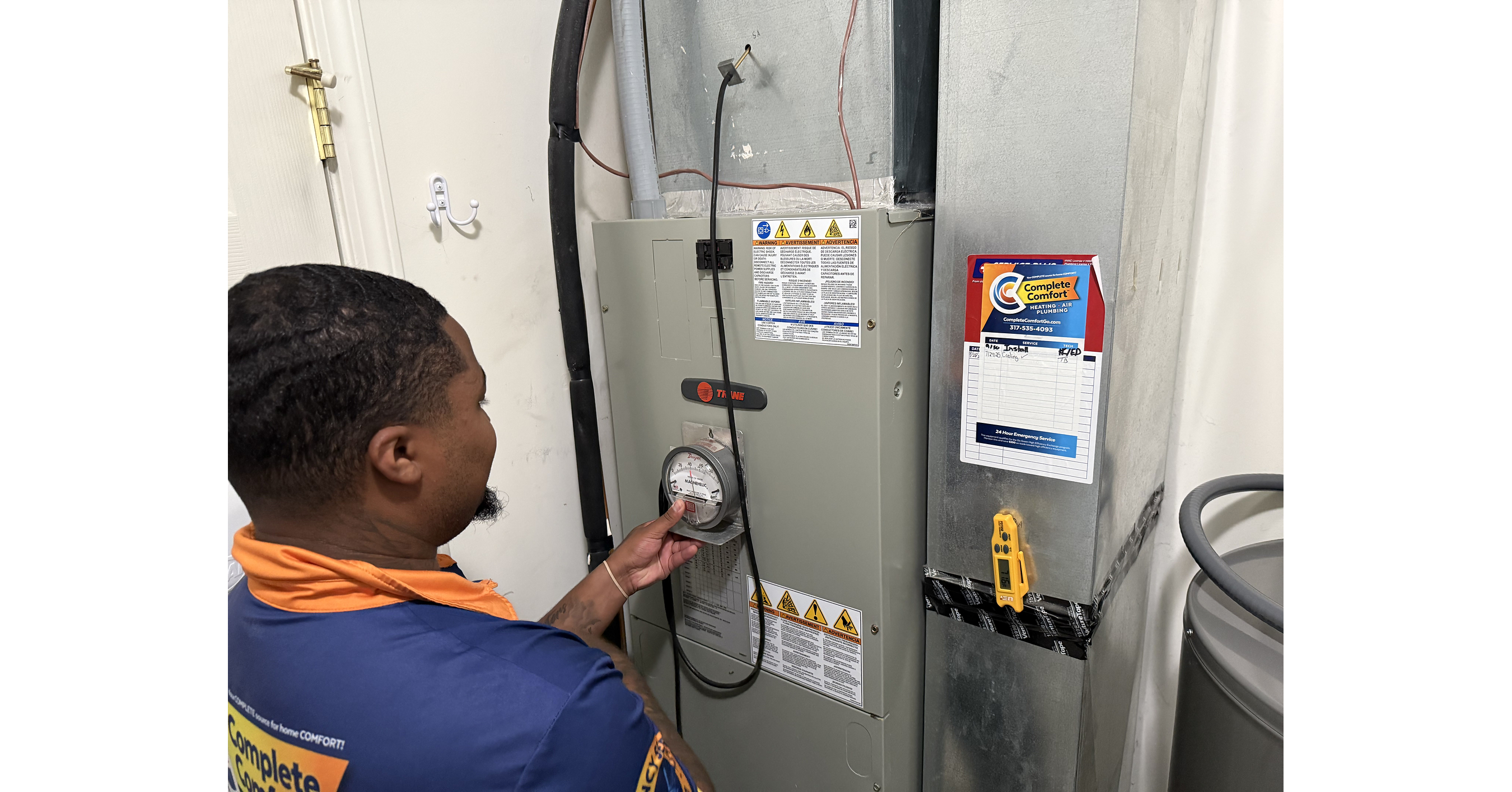
Complete Comfort Heating, Air and Plumbing highlighted skilled-trades career opportunities as retirements among Baby Boomers widen the labor pipeline gap. Citing Lightcast, the company said skilled-trade workers earn a 31% premium over jobs not requiring a bachelor's degree; Ivy Tech data indicate apprenticeship completers achieve 90% employment retention and roughly $300,000 higher lifetime earnings than non-completers. The release is primarily promotional and is unlikely to have material market impact.
Analysis
This is not a company-specific catalyst; it is a low-signal local PR that reinforces a persistent labor constraint across residential and light-commercial mechanical services. The investable implication is less about unit demand than realization capacity: technician scarcity raises billable labor rates and replacement-cycle lead times, favoring scaled service consolidators and distributors with training, recruiting and contractor-retention infrastructure. Smaller independent contractors face the most acute wage pressure and may either cede share or become acquisition targets.
For listed HVAC equipment vendors, labor scarcity is a mixed 6-18 month variable. CARR, TT and LII can preserve equipment demand when repairs become expensive, but installer capacity can defer system replacements and constrain conversion of regulatory-driven equipment upgrades into shipments. WSO is relatively insulated because distributor pricing, parts availability and contractor relationships matter more when technicians are scarce; however, a meaningful margin benefit requires service-price inflation to exceed technician wage inflation.
The contrarian point is that skilled-trade shortages are broadly understood and likely embedded in premium valuations for EME, FIX and PWR. The near-term risk is that higher household delinquency, weaker housing turnover, or a cooling labor market limits homeowners' willingness to absorb elevated repair tickets, converting labor inflation into margin compression rather than pricing. The press-release statistics are not independently sufficient to establish a change in Indianapolis labor supply or a tradable national inflection.
AllMind Terminal
AI-powered research, real-time alerts, and portfolio analytics for institutional investors.
Request TrialMarket Sentiment
Overall Sentiment
mildly positive
Sentiment Score
0.18
Key Decisions for Investors
- No immediate directional trade from this item; place WSO, TT, CARR and LII on a 1-3 month watchlist for third-party evidence of rising service labor rates, installation backlogs and contractor attrition in quarterly calls.
- Prefer WSO over CARR on a 6-12 month relative basis if distributor organic growth remains positive while OEM shipment growth slows: WSO has greater exposure to recurring replacement parts and contractor channel pricing. Falsify if WSO's gross margin contracts by more than 100 bps year-over-year or inventory days rise materially.
- Avoid adding to premium-priced EME/FIX solely on the labor-shortage narrative. Consider a tactical long FIX / short smaller, housing-sensitive HVAC OEM basket only after evidence that backlog conversion and service pricing are accelerating; the key missing data are technician wage growth versus billed-rate growth and commercial project award trends.
- Monitor consumer stress indicators—subprime auto delinquencies, home-improvement spending and housing turnover—as downside triggers for residential HVAC exposure. A deterioration would favor parts/service distributors over equipment manufacturers, as repairs substitute for full-system replacement.
More News
- Oil falls on increased Gulf supply and hopes for US-Iran talks
- South Korean solar stocks jump as curbs on Chinese sector expected to remain in place
- Latest Oil Market News and Analysis for Sept. 23
- Trump Says US Team Met With Iranians at UNGA
- Oil extends losses as Trump signals progress in U.S.-Iran talks
- Iran flights to Baghdad, Muscat cancelled ahead of US aviation sanctions