
DJI redéfinit l'expérience de nettoyage intelligent haut de gamme avec le lancement mondial de la gamme ROMO 2
Source: PR Newswire
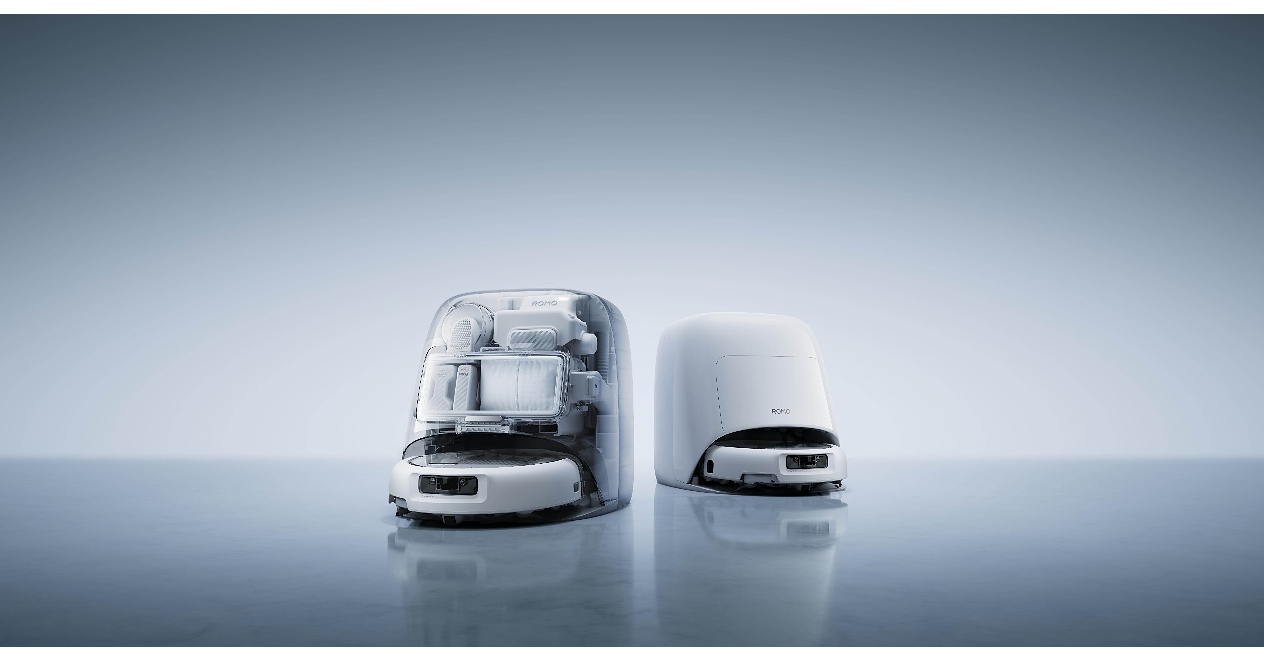
DJI lance mondialement ROMO 2 (ROMO P2 et ROMO A2), un robot aspirateur-laveur premium intégrant une intelligence de nettoyage IA « au millimètre » et une station de base autonettoyante annoncée pour jusqu’à 365 jours de fonctionnement sans entretien. Le bras robotique à oscillation de 123° et la recharge rapide 55W complètent un ensemble mis en avant pour une aspiration de 36 000 Pa sur tapis et une réduction sonore annoncée jusqu’à 85% (lavage à 38 dBA). Le prix démarre à 1 199 EUR (ROMO A2) et 1 299 EUR (ROMO P2), avec le mode « Données locales » (coupure Internet) prévu au T4 2026. L’impact marché attendu est limité à la promotion produit/consommateur, plutôt qu’à un mouvement significatif des marchés financiers.
Analysis
This is not a TGT earnings event; the investable signal is competitive pressure in premium home robotics. DJI’s real advantage is brand trust in sensing/autonomy, which can pull aspirational buyers toward a higher ASP tier and make it harder for legacy vacuum names to defend price, especially if reviews confirm the product works outside controlled demos. The first-order winner is whoever captures replacement cycles and accessory/service revenue; the first-order loser is the incumbent with the weakest software moat and the least room to discount.
The second-order effect is more important than unit share: a credible non-core entrant from a hardware-first ecosystem can reset expectations for what “premium” means in the category. That tends to compress valuation multiples for pure-plays that rely on feature parity rather than recurring software engagement, while benefiting large retailers and marketplaces only modestly through basket mix rather than margin expansion. For TGT, any lift is likely too small to matter unless this launches a broader premium small-appliance cycle into holiday season.
Contrarian view: the market may overread the launch as immediate share gain. Vacuum robots are a reliability and service business disguised as a spec race; installation friction, mapping bugs, and after-sales support usually dominate purchase decisions over sensor counts. The key falsifier is independent teardown/review data over the next 4-8 weeks: if real-world obstacle avoidance or app stability disappoints, the category impact fades fast and this becomes a branding story, not a share-shift story.
AllMind Terminal
AI-powered research, real-time alerts, and portfolio analytics for institutional investors.
Request TrialMarket Sentiment
Overall Sentiment
mildly positive
Sentiment Score
0.40
Key Decisions for Investors
- No direct trade in TGT on this news; keep neutral and only revisit if holiday home-appliance sell-through data shows a broad discretionary lift, not just a niche premium robotics win.
- Use any post-launch strength to initiate/ավել̀ short IRBT over 1-3 months; the risk/reward favors downside if third-party reviews validate performance, with roughly 8-12% downside potential vs. limited incremental upside absent a strategic bid.
- Optional pair trade: long BBY / short IRBT into the next channel-check window; BBY can monetize premium mix and service attach even if unit share is fragmented, while IRBT remains exposed to pricing pressure.
- Set an alert for independent review and return-rate data within 4-8 weeks; if defect/UX issues surface, cover shorts quickly because this thesis depends on actual consumer adoption, not launch-day PR.
More News
- Costco Wholesale Has Fallen More Than 10% From Its Peak Before. Here's What History Says Happens Next.
- Ember’s new temperature-controlled mug makes my nightly tea ritual even better
- Get Help With Holiday Spending: Best Credit Card Bonuses This Week, Oct. 17, 2026
- AI stocks plunge. Inflation heats up. Where we're still finding opportunities
- Bending Spoons wants to revive software castoffs. Berkshire is backing the plan
- AI rapidly improving, could vastly boost U.S. GDP, Anthropic's Clark tells policymakers