
SAN SIMEON ESTATE OPENS MODERN WINE AND CULINARY DESTINATION IN PASO ROBLES' WILLOW CREEK DISTRICT
Source: PR Newswire
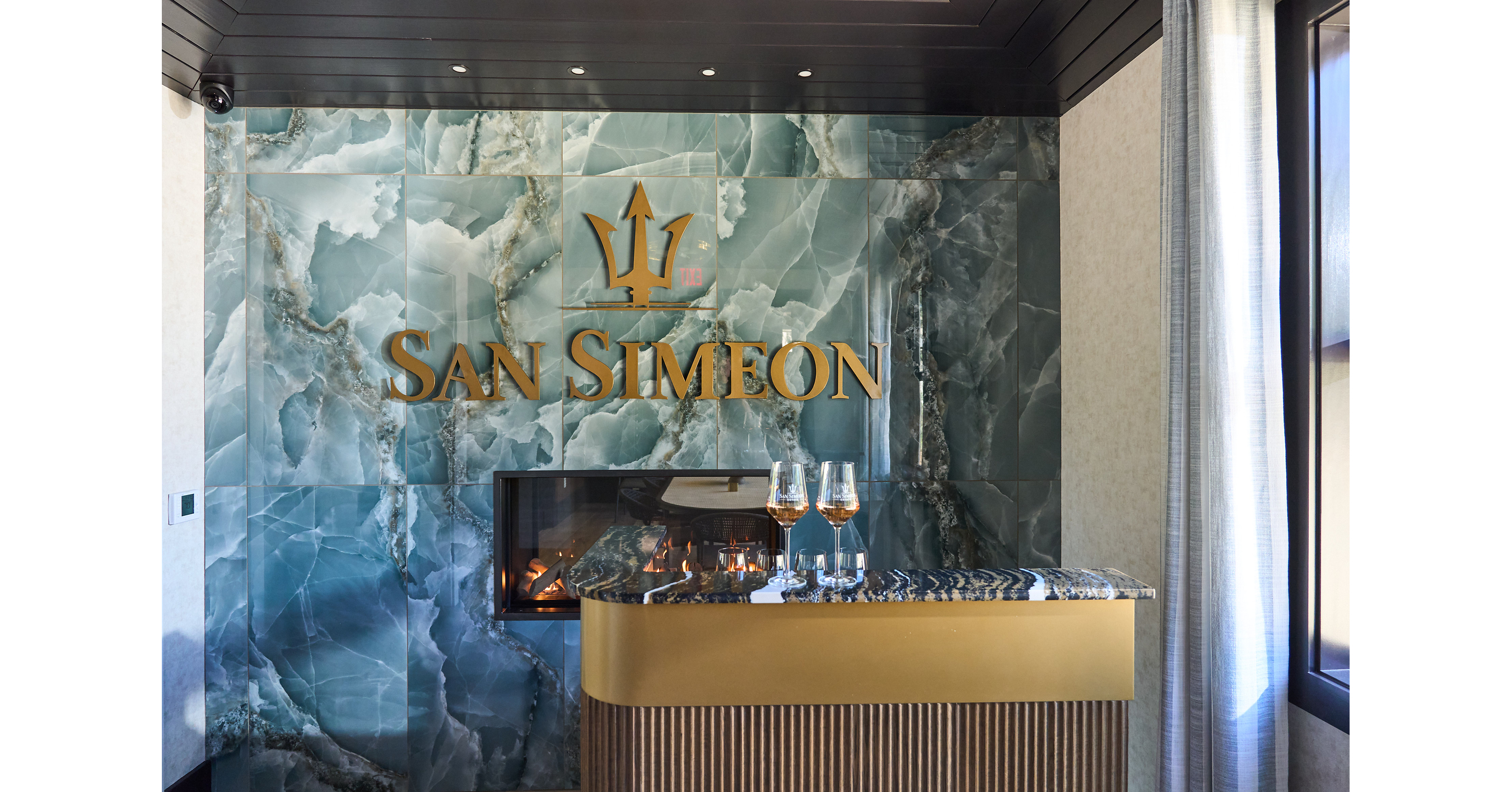
San Simeon Estate opened a tasting room in Paso Robles’ Willow Creek District, combining wine tastings, seasonal dining, gardens and hospitality experiences. The 50-acre estate includes 32 vineyard acres and will pour exclusive Reserve wines, with a four-red-blend Augustus series planned as a future addition. The vineyard and winery hold Certified California Sustainable Winegrowing certification, and the vineyards are CCOF Certified Organic.
Analysis
This is a brand-investment and direct-to-consumer experiment, not a near-term earnings catalyst that can be underwritten from the announcement alone. The economic question is whether food, events and a destination setting lift spend per visitor, wine-club conversion and repeat visits enough to cover staffing, food and property operating costs. A polished venue can strengthen premium positioning, but added hospitality complexity may dilute returns if reservations and per-guest spend are weak.
Over the next 1–3 months, reservation availability, visitor throughput and event uptake are the useful signals; the release provides no operating or investment-return data. Over 6–18 months, the key test is whether the estate generates incremental demand for estate-linked wines rather than shifting visitors from nearby sister property Jada. A successful format could support broader direct-sales economics; a poor one would expose the business to fixed costs without demonstrating scalable brand value.
Risks include softer discretionary tourism and premium-wine demand, labor and food-cost pressure, and weather-related vineyard variability. Sustainability credentials and experiential positioning are differentiators, but do not by themselves establish pricing power or profitable demand. The announcement is promotional and offers no independently verifiable evidence of bookings, margins, capex or payback. Riboli Family Wines is privately held, and no mapped investable security is supplied; there is no direct trade here. A contrarian possibility is that the venue's local visibility and hospitality features matter more as a customer-acquisition channel than as a standalone profit center—but that thesis requires evidence of wine-club conversion and repeat purchases.
AllMind Terminal
AI-powered research, real-time alerts, and portfolio analytics for institutional investors.
Request TrialMarket Sentiment
Overall Sentiment
mildly positive
Sentiment Score
0.20
Key Decisions for Investors
- No actionable public-equity trade on this announcement alone; do not treat the opening as evidence of material consolidated revenue or earnings impact.
- Set a 1–3 month diligence alert for reservation utilization, guest spend, event bookings and wine-club conversion; these are needed to assess whether hospitality is driving incremental sales.
- Over 6–18 months, verify whether estate-linked wine sales are incremental and whether traffic complements rather than cannibalizes Jada. Weak repeat visits or low conversion would falsify the customer-acquisition thesis.
- Track labor and food costs, operating-capacity constraints and any disclosed capital spending or payback measures. Without these, avoid assigning a profitability premium to the brand's experiential strategy.
More News
- SK Hynix Posts Record Profit Amid AI Rush
- SK Hynix third-quarter profit sharply beats estimates on AI memory boost
- Anthropic's IPO could be 'speculative fiction' or a 'generational moment' — investors are split
- Anthropic Gives Traders a Pure-Play Bet on Frontier AI
- Analysis-Hold or sell? High Treasury yields spur US banks to rethink bond portfolios
- VCs will make billions on Anthropic’s IPO, but Amazon is set to make much (much) more