
NAFTZ Annual Conference Draws Record 600 Attendees Amid Shifting U.S. Trade Policies
Source: PR Newswire
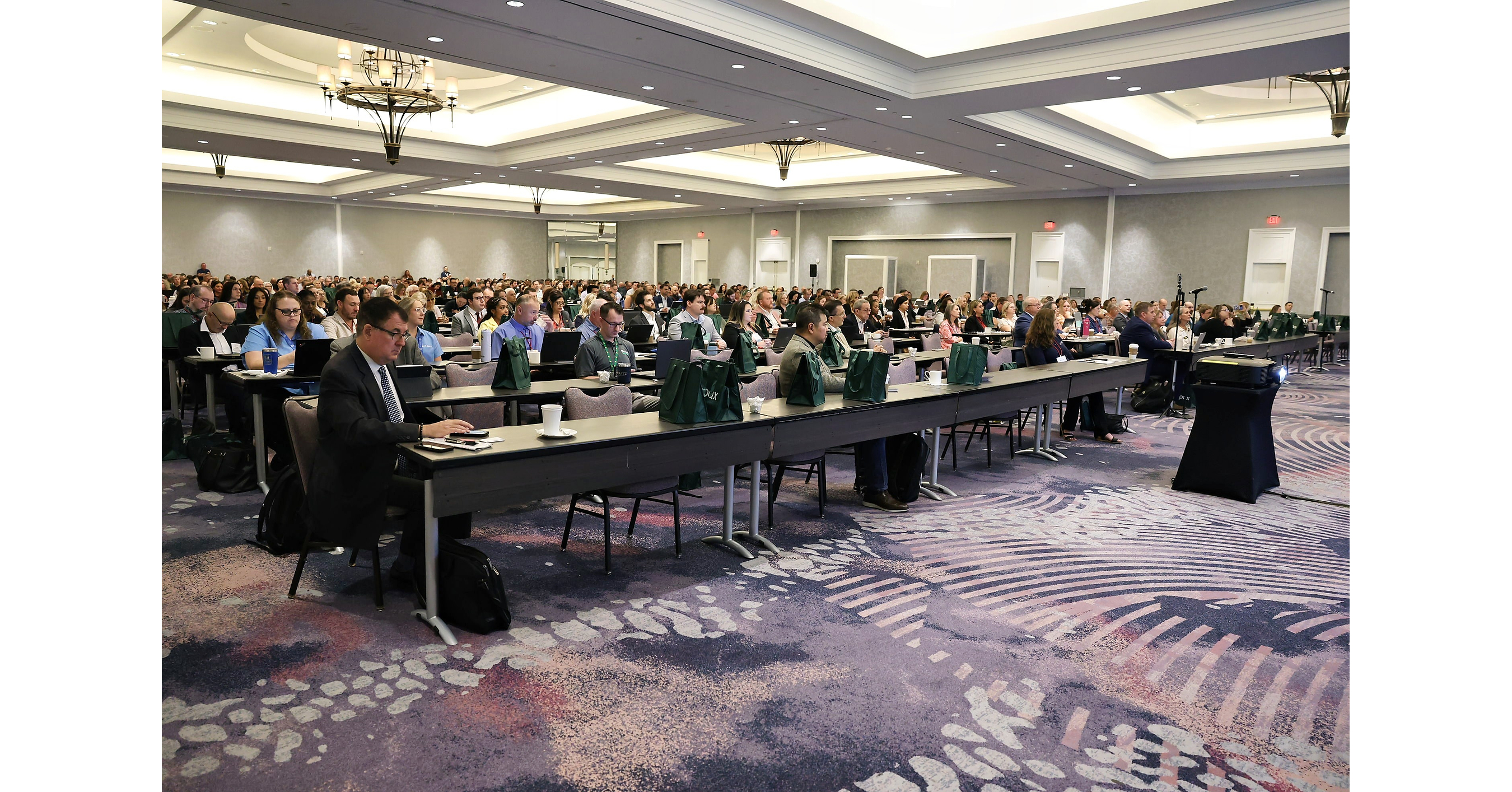
NAFTZ’s 2026 annual conference drew a record 600 attendees as industry and government representatives discussed tariffs, customs compliance and supply-chain challenges. The latest available U.S. FTZ data show $964 billion in merchandise received in 2024, $134 billion in exports, approximately 543,000 jobs supported and 381 active production operations. The association also outlined policy priorities, including addressing tariff impacts and trade disadvantages in Canada and Mexico.
Analysis
The signal is policy infrastructure, not a near-term earnings catalyst: greater FTZ use can improve duty timing and inventory flexibility, but does not eliminate tariffs or guarantee lower landed costs. The economic payoff is concentrated in firms with meaningful imported inputs, eligible production or re-export flows, and the systems and compliance capacity to use zones effectively. Logistics providers and U.S. manufacturers may benefit at the margin; firms whose sourcing patterns do not fit FTZ rules could incur added administrative costs without offsetting savings.
For Kontoor Brands (KTB) and Phillips 66 (PSX), board representation indicates engagement through individuals, not proof that either company uses FTZs materially or will capture savings. Do not translate this announcement into company-level earnings revisions absent disclosure of zone activity, eligible import value, and duty savings. The longer-dated opportunity is greater if tariff volatility persists and policymakers preserve or expand FTZ treatment; the counter-risk is tighter enforcement, insufficient CBP capacity, or USMCA changes that reduce the economics of cross-border flows. Those policy outcomes matter over quarters, not days. The conference publicity itself is unlikely to move valuation.
AllMind Terminal
AI-powered research, real-time alerts, and portfolio analytics for institutional investors.
Request TrialMarket Sentiment
Overall Sentiment
neutral
Sentiment Score
0.10
Key Decisions for Investors
- No immediate trade: treat as a low-signal policy update rather than a catalyst for KTB, PSX, or transport/logistics equities.
- Monitor KTB and PSX filings and earnings commentary for quantified FTZ usage, duty savings, and compliance costs before underwriting company-specific upside; board roles alone are not evidence of exposure.
- Track tariff actions, CBP implementation and funding, and the USMCA review over the next 1–3 months. A material change to duty treatment or enforcement would be the trigger to reassess importers, domestic manufacturers, and logistics operators.
- Falsify the constructive FTZ thesis if policy changes narrow duty advantages, enforcement delays or costs rise, or companies report that compliance expense offsets savings; absent such evidence, avoid a thematic position.
More News
- SK Hynix shares slide after chipmaker scraps Solidigm IPO plans
- Moderna and Merck say their mRNA cancer vaccine cut death, recurrence by 42%
- SpaceX records $561 million investment gain from stake in Elon Musk's Boring Co.
- Iran says seven ships hit in Hormuz Strait, warns US of wider response
- Musk's clash with Ukraine accelerates demand for Starlink alternatives. Few exist
- Iran reveals ‘offensive’ doctrine, US issues alert: Is war imminent?
From AllMind Research
- Anthropic IPO Preview: Valuation, Timing, and What to Watch
- Shein After the IPO: Venue, Valuation, and What Must Be Proved
- What AI Research Tools Should a Small Hedge Fund Buy First?
- Hebbia Alternatives: A Workflow-Based Buyer’s Guide
- 2026 Global Markets Outlook: Asset Allocation After the Great Disconnect