
ZyG Launches the ZyG Score to Identify the Next Breakout eCommerce Brands; Predicting eCommerce Success Moves from Gut Feeling to Science
Source: PR Newswire
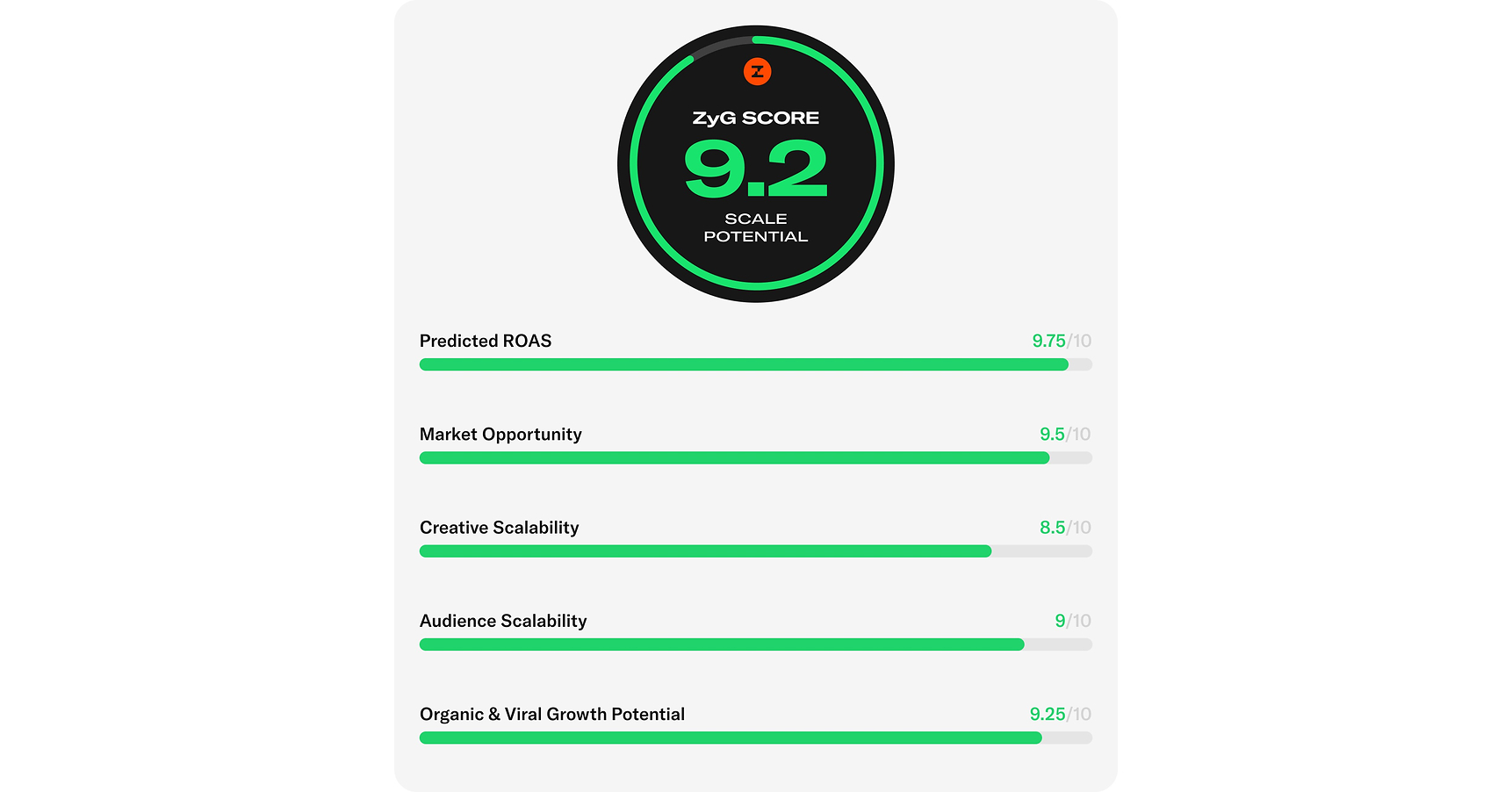
ZyG launched the ZyG Score, a program to identify eCommerce brands with breakout potential; brands with at least $1 million in annual online sales can receive a proprietary market analysis at no cost. ZyG plans to fund approximately $10,000 in media spend for each of the 500 brands selected for live consumer tests, then may provide execution and customer-acquisition financing to chosen scale partners. The launch is a company initiative, with no financial results or market reaction reported.
Analysis
No investable public-company catalyst is established: ZyG is private, and the launch provides no evidence yet of partner conversion, revenue, or financing performance. The second-order question for SHOP is whether a managed, financed growth layer expands merchants’ online sales—or captures the operating relationship and economics that Shopify’s ecosystem would otherwise retain. If ZyG partners keep their storefronts on Shopify, successful scaling could support ecosystem activity; if ZyG controls acquisition, data, and execution across platforms, it could become an intermediary that weakens merchant dependence on Shopify. The announcement alone does not resolve that distinction. AMZN has no clear direct read-through: the offer targets brands already selling online, but no Amazon channel or seller impact is quantified.
The key execution risk is model error. A short consumer test and predicted LTV may not capture repeat-purchase behavior, returns, seasonality, or the cost of scaling media; financing acquisition against optimistic payback estimates could turn growth into credit losses. Free assessments may also attract brands with weak alternatives, creating adverse selection. Near term, expect limited fundamental impact to listed names. Over 1–3 months, evidence of selected brands converting into paid scale partnerships and repeatable cohort economics matters more than the number screened. Over 6–18 months, the thesis is validated only if funded cohorts sustain profitable growth without rising defaults or excessive dependence on paid channels. Treat company claims about predictive capability as unverified until cohort data are disclosed.
AllMind Terminal
AI-powered research, real-time alerts, and portfolio analytics for institutional investors.
Request TrialMarket Sentiment
Overall Sentiment
mildly positive
Sentiment Score
0.35
Key Decisions for Investors
- No trade in AMZN or SHOP on this announcement alone; the signal is too indirect and ZyG has not disclosed independently verifiable commercial outcomes.
- Track SHOP for evidence that ZyG Scale Partners use Shopify storefronts and generate incremental merchant GMV. A growing managed-service layer that owns merchant data or shifts commerce volume elsewhere would weaken the positive ecosystem read-through.
- Put ZyG on a private-market watchlist: verify partner conversion, revenue model, customer concentration, acquisition-cost payback, repeat-purchase/return-adjusted LTV, and financing loss or delinquency data before underwriting the model.
- Falsify the optimistic thesis if early cohorts fail to sustain contribution-positive acquisition after the test period, or if financing losses rise as spend scales; absent cohort disclosure, treat the launch as product validation—not proof of scalable economics.
More News
- Apple’s new home devices are a bet on its upgraded Siri AI
- Cheap Chinese and open source LLMs could trigger trillion-dollar AI infrastructure 'reset'
- Iran threatens Gulf data centres: How exposed is the region’s internet?
- Chip Selloff Spreads Globally, Apple Makes Smart Home Push
- Apple Unveils $299 HomeView Smart Home Hub, New Apple TV 4K, HomePod Mini 2
- Apple unveils new smart home products, showcasing updated Siri AI
From AllMind Research
- Anthropic IPO Preview: Valuation, Timing, and What to Watch
- Shein After the IPO: Venue, Valuation, and What Must Be Proved
- What AI Research Tools Should a Small Hedge Fund Buy First?
- AI Financial Research Benchmarks: What the Scores Mean
- State of M&A and Private Markets, June 2026: A $4.9 Trillion Rebound, Underwritten on Money That Never Got Cheaper