
China’s Xi Steps Into Diplomatic Gap Vacated by Trump
Source: Bloomberg
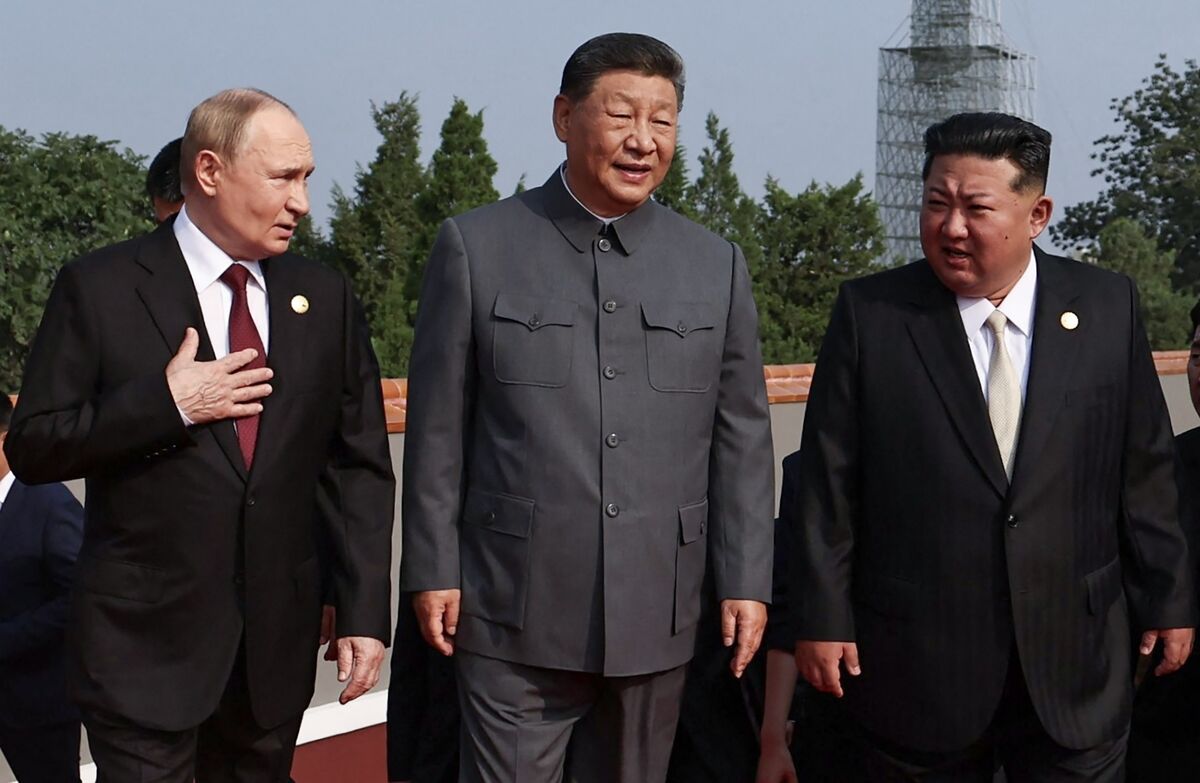
China’s President Xi Jinping is set for a busy diplomatic schedule, traveling from Beijing to Bishkek and Cairo and back. The article is largely informational about geopolitics, with no specific policy or economic measures cited.
Analysis
This is more a signal of diplomatic optionality than an earnings event. The market-relevant mechanism is that Beijing can increasingly act as the default convener for countries that want engagement without U.S. conditions, which helps Chinese policy banks, state-linked contractors, and firms that benefit from corridor/security financing — but only if it converts into signed credit lines, procurement, or resource contracts. Until then, the equity impact is mostly sentiment, not cash flow.
The second-order effect is on geopolitical risk premia, not just China assets. If partners in the Middle East and Central Asia treat Beijing as a durable alternative interlocutor, that can modestly reduce friction around trade routes, commodity supply, and RMB settlement over 6-18 months; the beneficiaries would be shipping, infrastructure, and commodity-import-sensitive sectors rather than broad Chinese consumer equities. The flip side is higher compliance and sanction-friction risk for Western firms transacting with counterparties that become more embedded in China’s orbit.
Contrarian view: the consensus may overestimate how quickly symbolism becomes monetized. China can fill a diplomatic gap, but without stronger domestic growth and a willingness to deploy balance sheet abroad, the trip risks being optics-heavy and financially light. Falsifier: if no financing, infrastructure, or security memoranda follow within 1-3 months, fade any rally in China-exposed names; if they do, the trade becomes a slower-burn structural story rather than a one-day headline trade.
AllMind Terminal
AI-powered research, real-time alerts, and portfolio analytics for institutional investors.
Request TrialMarket Sentiment
Overall Sentiment
neutral
Sentiment Score
0.00
Key Decisions for Investors
- No outright directional trade on the headline alone; treat this as a confirmation watch and require follow-through in signed financing, procurement, or resource agreements before adding risk.
- Set a 1-3 month alert on FXI vs EEM: only consider a tactical long FXI if the travel produces concrete external-demand catalysts; otherwise expect any move to be faded as policy theater.
- Do not short U.S. defense or energy purely on this development; the more likely effect is a marginally higher global risk premium, which supports rather than compresses those sectors.
- If corridor/security financing appears in follow-on headlines, consider a 3-6 month long in shipping/logistics exposure via IYT on the thesis that route-security and trade facilitation spend rises before earnings do.
More News
- Brian Sullivan: Why the 'real' price of oil is likely $30-$40 higher than where it is now
- Latest Oil Market News and Analysis for Oct. 16
- How the Houthis are helping Iran turn Saudi Arabia into a pressure point
- Ukraine to resume strikes on Russian refineries, shattering hopes of an 'energy ceasefire'
- Chevron CEO warns oil buffers that cushioned the Iran war shock have been ‘drained’—and diesel relief may not come until 2027
- International Energy Agency to release more than 20 million barrels of diesel as soon as possible
From AllMind Research
- Anthropic IPO Preview: Valuation, Timing, and What to Watch
- Shein After the IPO: Venue, Valuation, and What Must Be Proved
- What AI Research Tools Should a Small Hedge Fund Buy First?
- How to Build an Automated Research Process for a Fund
- Weekly Update: AI-Powered Report Editing, Investor Relations, and Enhanced Search