
Three Scientists Honored with $250,000 Blavatnik Awards for Breakthroughs in Organic Chemistry, Gene Editing and Bioelectronics
Source: PR Newswire
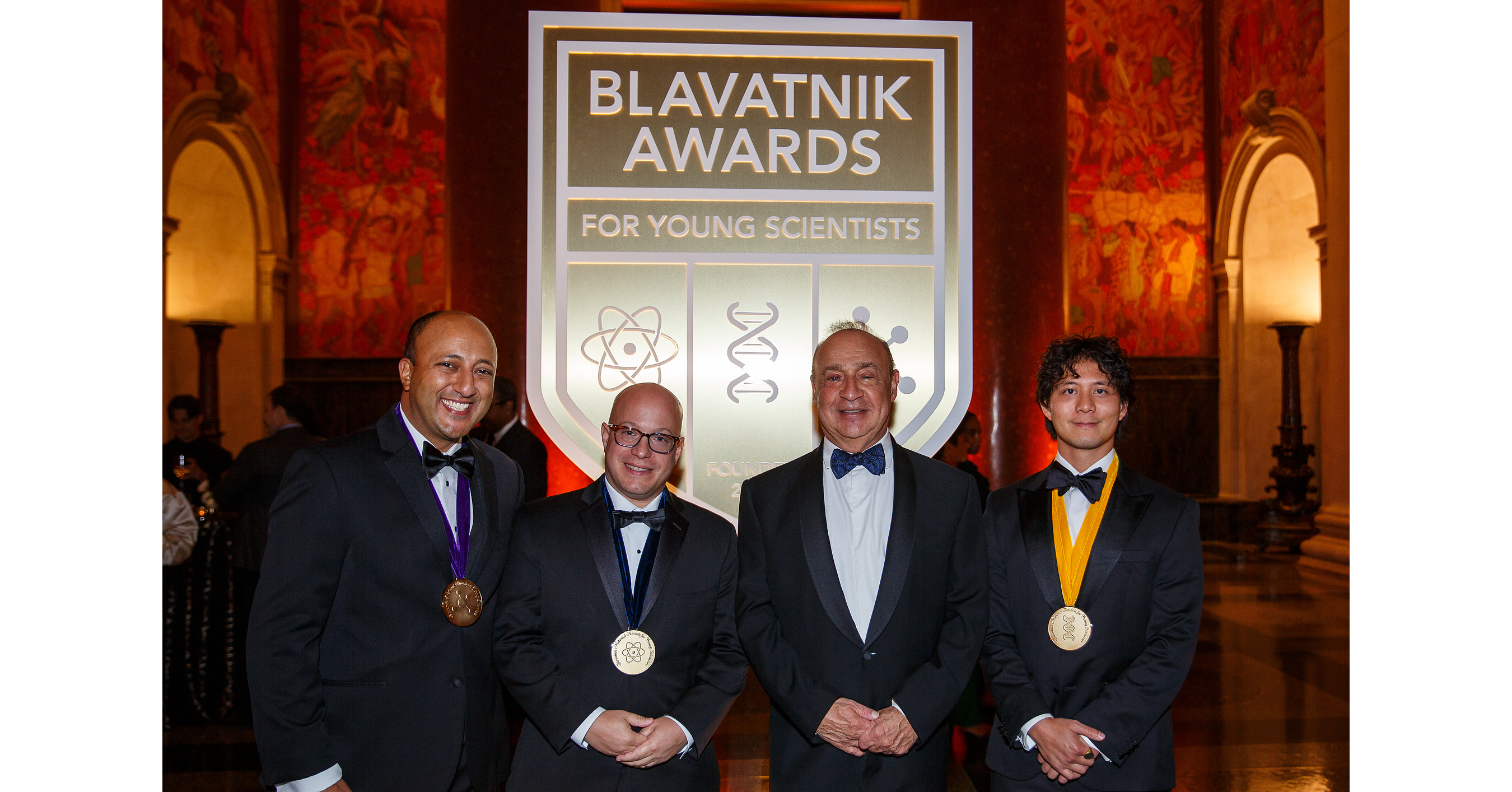
Three early-career scientists each received $250,000 at the 2026 Blavatnik Awards for work in organic chemistry, genome engineering and bioelectronics. The laureates were selected from 372 nominees across 187 institutions in 43 states; 15 finalists each received $15,000. The announcement highlights research advances, including AI-enabled biological design, but reports no immediate commercial or market effects.
Analysis
This is a talent and research-option signal, not a near-term earnings catalyst. The investable question is whether these methods move from academic capability to protectable IP, repeatable performance, and funded clinical or commercial programs. That path is measured in years, and the award itself does not establish licensing, partnerships, or clinical validation.
The most consequential second-order possibility is modality competition: programmable DNA rewriting and RNA-targeting tools could expand what gene-editing developers can attempt, while also making current platforms less differentiated if a new approach proves more precise or easier to deliver. That is a two-sided read-through for gene-editing companies, not a blanket positive. Soft bioelectronics paired with engineered cells could eventually blur the boundary between implantable devices and biologic drug delivery, but manufacturing, durability, safety, and regulatory burden are substantial gates. Improved synthesis methods may reduce discovery friction for drug developers, though value capture could accrue to licensees or future ventures rather than the academic lab.
The contrarian point: the release’s examples of successful past laureates and aggregate startup value are selection-biased and do not establish conversion rates for this cohort. The market may overread scientific promise as near-term monetization. Conversely, if follow-on data demonstrate reproducible editing or durable device function, platform value could be underappreciated because the work sits upstream of conventional product pipelines. No direct public-company exposure is established by the article.
AllMind Terminal
AI-powered research, real-time alerts, and portfolio analytics for institutional investors.
Request TrialMarket Sentiment
Overall Sentiment
mildly positive
Sentiment Score
0.25
Key Decisions for Investors
- No trade on the announcement alone. Treat it as a low-confidence, long-dated innovation signal; there is no identified listed issuer, revenue contribution, or near-term catalyst.
- Add genome-editing developers, including CRISPR Therapeutics, Intellia Therapeutics, and Editas Medicine, to a watchlist rather than buying the group: verify whether any has a documented license, collaboration, or technically comparable program before assigning read-through.
- Over the next 1–3 months, monitor for independently verifiable follow-on evidence: peer-reviewed performance and safety data, patent ownership or licensing, named industry partnerships, and funding or clinical milestones. Without these, assume no material change to earnings or valuation.
- Over 6–18 months, revisit the thesis if programmable genome rewriting shows a clear advantage in precision, scale, or delivery, or if engineered-cell bioelectronic devices demonstrate durable function in relevant models. Falsify the bullish platform view if replication fails, delivery or safety proves limiting, or commercialization remains unpartnered and unfunded.
More News
- Why is SK Hynix stock gaining today?
- Asia shares subdued, bonds swamped by AI debt wave
- Elon Musk blames Indian 'oligarchs' for stalling Starlink launch
- Anthropic will be 'most ridiculous IPO' of year, analyst says
- Megacaps Are Back Driving the US Stock Rally in Hot-Running Economy
- Stock Rally Fades on Higher Oil Prices; SpaceX in Talks to Buy Nvidia Chips
From AllMind Research
- Anthropic IPO Preview: Valuation, Timing, and What to Watch
- Shein After the IPO: Venue, Valuation, and What Must Be Proved
- What AI Research Tools Should a Small Hedge Fund Buy First?
- Hebbia Alternatives: A Workflow-Based Buyer’s Guide
- 2026 Global Markets Outlook: Asset Allocation After the Great Disconnect