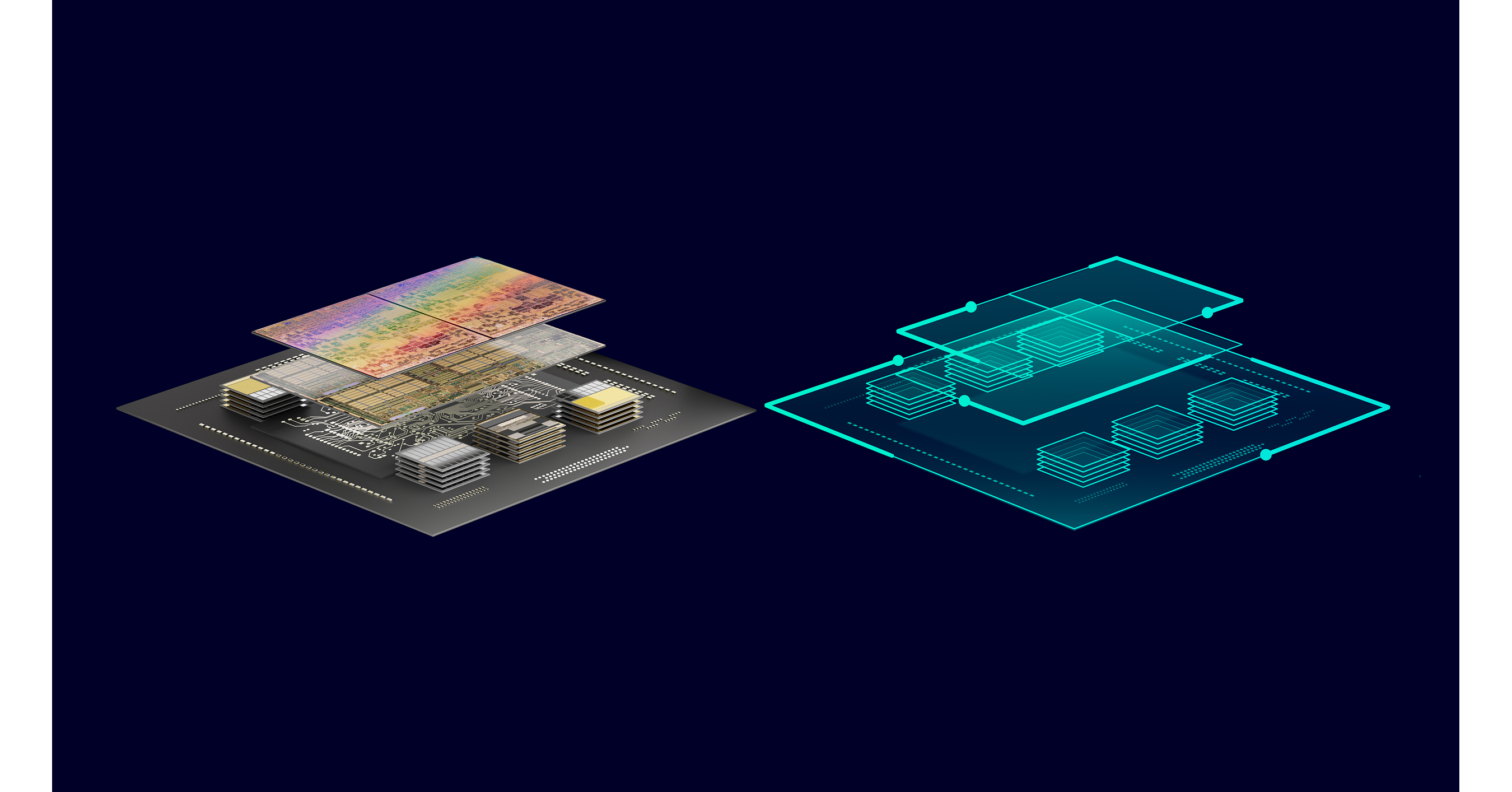
Siemens announced it will acquire privately held Precision Innovations to expand its EDA software with AI-powered chip planning for advanced SoC architectures. The technology targets earlier feasibility analysis to reduce design iterations and accelerate time to silicon by optimizing power, performance, and area across the design cycle. Closing is expected in Q3 2026 (transaction terms undisclosed), which should strengthen Siemens’ end-to-end digital design workflow and support faster design exploration amid rising SoC complexity.
This is strategically constructive for Siemens, but the market should treat it as a portfolio-level software capability upgrade rather than an earnings event. The real economic lever is not the acquired revenue stream; it is whether Siemens can use early-stage chip planning to increase attach rates across the rest of its design flow and raise switching costs. If that works, the mix shift toward recurring software and workflow lock-in matters more than any headline purchase price.
The competitive implication is more interesting than the transaction itself. Cadence and Synopsys already own the deepest enterprise relationships, so the battleground is moving to "shift-left" tooling that influences architecture before RTL spend is committed. That tends to expand total EDA budgets and cloud/compute usage, but it also pressures point solutions and lower-value exploratory tools, where pricing power is weaker and open-source alternatives create ceiling effects. In other words, the winner is the platform with the best integration, not necessarily the best standalone model.
Near term, any stock reaction in SIEGY should fade unless management quantifies revenue contribution, margin accretion, or meaningful cross-sell by the next two earnings calls. Over 1-3 months, the watch item is whether SNPS/CDNS commentary confirms stronger demand for early design exploration or whether this remains a niche feature customers trial but do not standardize. Over 6-18 months, the thesis breaks if AI-assisted planning lowers design friction without increasing wallet share, turning the capability into a feature rather than a monetizable product.
AI-powered research, real-time alerts, and portfolio analytics for institutional investors.
Request TrialOverall Sentiment
moderately positive
Sentiment Score
0.35
Ticker Sentiment
