
Griffis Residential Completes Sale of Griffis North Creek
Source: PR Newswire
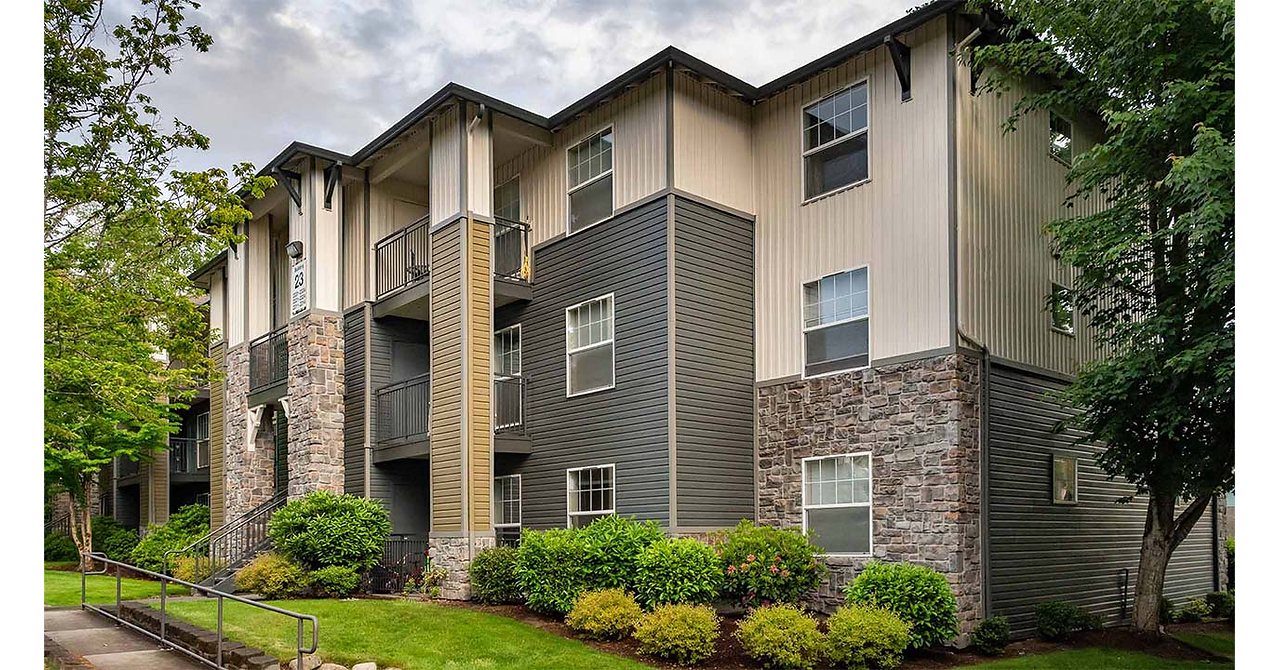
Griffis Residential sold Griffis North Creek, a 524-unit Seattle-area apartment community held by Griffis Premium Apartment Fund IV. The firm said targeted capital improvements and operating initiatives drove 50% NOI growth—nearly triple the local NCREIF apartment-index growth—despite elevated housing supply and rising interest rates. The transaction highlights the firm’s fixed-rate, long-duration, low-leverage strategy; financial terms were not disclosed.
Analysis
This is a private-market datapoint rather than a clean public-equity catalyst, but a completed Seattle multifamily exit is modestly constructive for apartment REIT transaction liquidity. The relevant read-through is strongest for AIRC, UDR, ESS and CPT: buyers willing to underwrite an asset despite supply pressure implies that well-operated, stabilized communities can still clear at valuations supportive of private NAV, reducing the probability of forced-disposition marks across the sector.
The key unanswered variable is the sale cap rate versus the asset's debt cost and prior appraisal. Without those figures, the claimed NOI outperformance cannot establish whether equity returns were driven by operating gains or by a favorable basis/cap-rate outcome. Seattle remains particularly sensitive to new-delivery absorption, local rental regulation and large technology-employer hiring; public names with material Pacific Northwest exposure face a more uneven 1-3 quarter rent-growth path than this single asset sale suggests.
Second-order, evidence of functioning deal markets favors balance-sheet-strong consolidators over highly levered private owners. If cap rates stabilize while construction financing stays restrictive, 6-18 month supply deceleration should improve pricing power for incumbent operators; however, that benefit is likely already more visible in Sunbelt markets with slowing completions than in Seattle. A meaningful repricing requires confirmation from disclosed REIT dispositions, quarterly same-store NOI guidance and transaction cap rates—not sponsor-reported operational metrics.
AllMind Terminal
AI-powered research, real-time alerts, and portfolio analytics for institutional investors.
Request TrialMarket Sentiment
Overall Sentiment
moderately positive
Sentiment Score
0.42
Key Decisions for Investors
- No immediate standalone trade: treat this as a watch signal for apartment-REIT private-market liquidity, not validation of sector-wide NAV upside. Require at least two comparable disclosed multifamily transactions with cap rates at or below public implied cap rates before increasing exposure.
- For a 6-18 month supply-normalization thesis, favor long CPT or MAA versus short EQR: Sunbelt delivery deceleration can improve 2027 rent-growth expectations, while EQR retains greater exposure to regulation-sensitive coastal markets. Reassess if 2027 same-store revenue guidance converges or Sunbelt concessions fail to narrow over the next two earnings cycles.
- Monitor UDR and ESS quarterly supplemental disclosures for Seattle effective-rent growth, occupancy and concessions. A sequential improvement in all three, combined with a disposition near or above carrying value, would support a tactical 1-3 month long; continued negative effective rents or further guidance cuts falsify the liquidity-positive interpretation.
- For credit accounts, screen unsecured apartment REIT bonds versus private multifamily borrowers: a reopening asset-sale market improves refinancing optionality for investment-grade issuers, but does not eliminate refinancing risk for sponsor-backed owners facing near-term floating-rate maturities.
More News
- Warren Buffett stepping down as chairman of Berkshire Hathaway: 'Father Time always wins'
- Flock Offers Employees Buyouts as Customers Flee
- Synaptics SVP Lisa Bodensteiner sells $30,938 in stock
- Anthropic’s first embedded evaluator is … Accenture?
- Volkswagen and Porsche Holding cut outlook
- Synaptics VP & corporate controller Esther Song sells $5,835 in stock