
In HelloNation, Insurance Expert Chuck Hall of Millsboro, Delaware Explains What Renters Insurance Covers for Tenants in Delaware
Source: PR Newswire
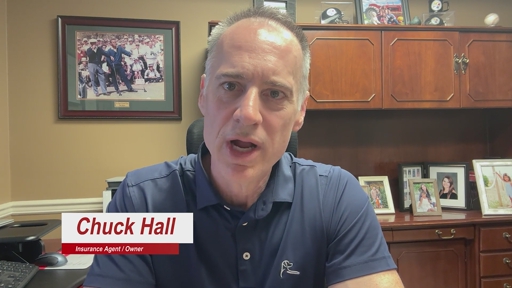
A HelloNation article explains that Delaware renters insurance can cover tenants’ belongings, personal liability, and temporary living expenses after a covered loss—protections a landlord’s policy generally does not provide. It notes that flood damage is typically excluded, high-value items may need endorsements, and replacement-cost coverage generally carries a higher premium than actual-cash-value coverage.
Analysis
This is awareness-oriented local advertorial content, not evidence of a change in insurance pricing, regulation, or policy uptake. The only plausible beneficiary is the renters-insurance distribution channel: if education converts into new policies, agencies and carriers could gain incremental premium and commission revenue. That effect is likely too diffuse and small to move diversified insurers absent broader, measurable adoption. Coastal exposure also limits the read-through: excluded flood losses can leave tenants underinsured, while separate flood coverage adds friction and may constrain conversion. More renters coverage could shift some covered personal-property and liability losses from households to insurers, so premium growth alone would not establish attractive underwriting economics.
Near term, no investable catalyst is identified. Over 1–3 months, watch for independently verified quote-to-bind or policy-count data, premium trends, and evidence that landlord requirements or distribution changes are driving uptake; the article supplies none. Over 6–18 months, any structural benefit would depend on sustained penetration gains relative to acquisition costs and claims. The contrarian point is that a clear coverage gap does not imply a large addressable earnings opportunity: affordability, deductibles, and flood exclusions may limit actual purchase or perceived value. No company identities or tickers are supplied, and the signal is insufficient for a position. Falsification of the modest-positive channel hypothesis would be flat policy counts or weak conversion despite increased outreach, or deterioration in underwriting results that offsets added premium.
AllMind Terminal
AI-powered research, real-time alerts, and portfolio analytics for institutional investors.
Request TrialMarket Sentiment
Overall Sentiment
neutral
Sentiment Score
0.00
Key Decisions for Investors
- No trade on this item; treat it as low-impact consumer education, not a company-specific earnings catalyst.
- Watch for carrier or agency disclosures on renters-policy counts, quote-to-bind conversion, premium growth, and acquisition costs before underwriting any distribution-benefit thesis.
- Monitor coastal flood-policy availability and renters coverage terms separately; do not assume standard renters policies close flood-related protection gaps.
- Reassess only if uptake becomes measurable and persistent, or if underwriting results show that incremental premium growth is being offset by claims or expenses.
More News
- Wall Street Week | Michigan Manufacturing, AI Debt Investments, Baby Bonds, Canadian Coal Fight
- Tesla drops 'Full Self-Driving' brand name in Europe after regulator pushback
- SpaceX makes big move into wireless. These once 'obsolete' tech stocks could benefit
- Why is T-Mobile stock tumbling today?
- Wall Street sees buying opportunity in banks as shares tank ahead of earnings
- MTY Food Group Inc Profit Retreats In Q3