
DECKED Finds That Skilled Trade Workers Love Their Work, Incur Less Debt, but Feel Overlooked
Source: PR Newswire
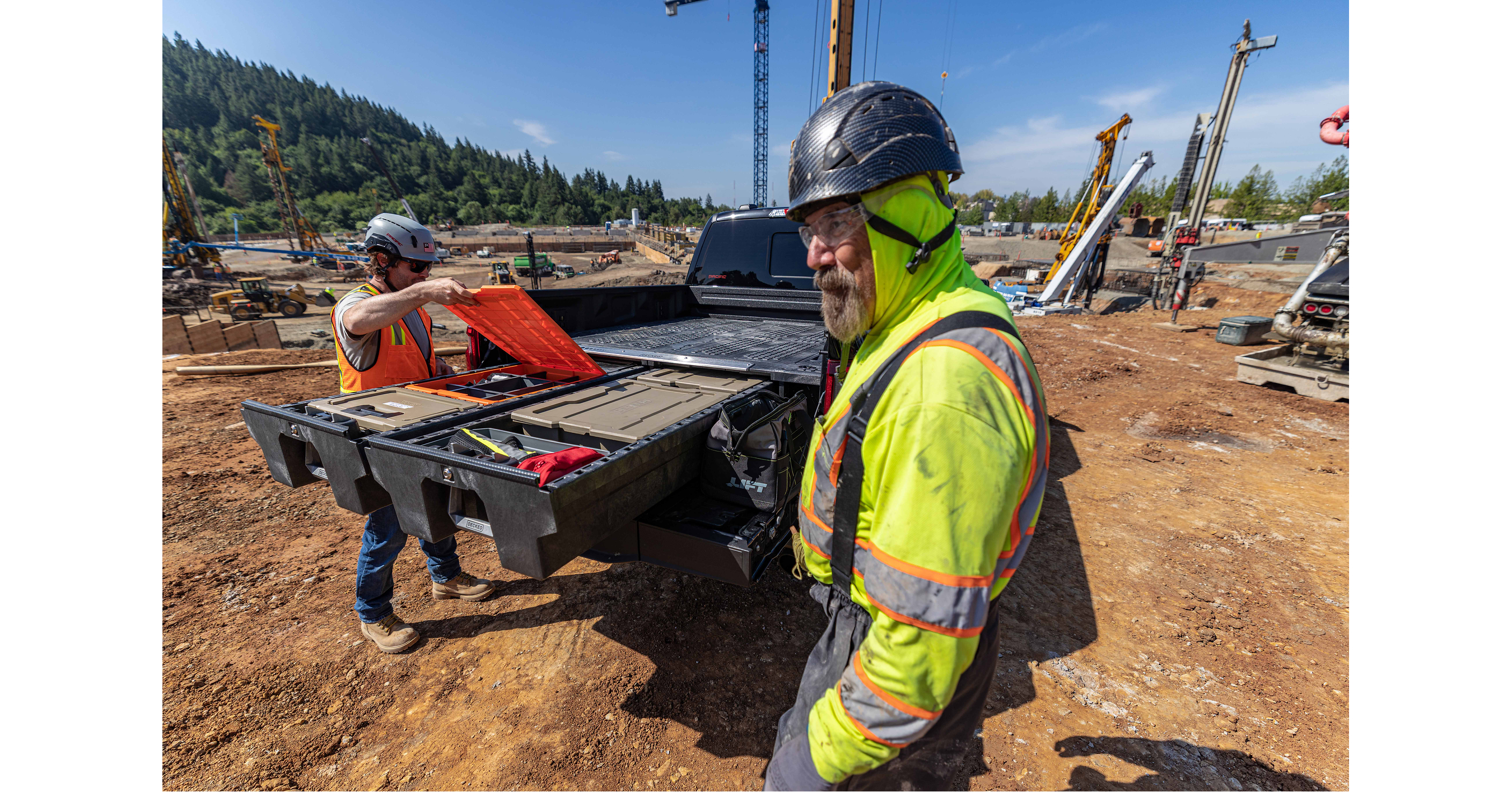
DECKED launched its "Built for Those Who Build" campaign citing research that skilled-trades workers reach financial break-even at age 19 versus 26 for bachelor’s-degree holders, with lifetime earnings of $3.12 million versus $3.54 million. The company highlighted a projected 7% increase in skilled-trades employment from 2024-34 and more than 2 million trade jobs expected to remain unfilled by 2030. Its survey found 94% job satisfaction, $34 median hourly pay, and 83% of respondents viewing their jobs as not replaceable by AI, although physical strain and injury risk remain key concerns.
Analysis
This is principally a labor-supply signal, not a demand catalyst, and the issuer is private; the campaign itself is not investable. A persistently constrained skilled-labor pool raises the value of licensed field capacity and supports pricing for electrical, HVAC, and utility contractors, but it also raises wage, workers' compensation, and retention costs. The public-market read-through is strongest for contractors with multi-year backlog and contractual escalation—PWR, MYRG, FIX, and MTZ—rather than residentially exposed equipment retailers.
The more durable second-order beneficiary is labor productivity: contractors facing scarce labor will favor prefabrication, digital design, fleet efficiency, and higher-value tools over adding headcount. That supports relative demand for ADSK, EMR, ETN, TT, JCI, and rental providers URI and United Rentals' peer HRI, particularly where data-center, grid, and industrial projects compete for the same electricians and HVAC technicians. Conversely, small private subcontractors without purchasing scale or contractual wage pass-through may be forced to consolidate, improving share opportunities for scaled listed contractors.
Consensus may overstate the earnings benefit from labor scarcity: elevated field wages are positive only when backlog reprices faster than payroll. Over the next 1-3 months, this release has no standalone catalyst; the actionable evidence will be Q3/Q4 commentary on labor availability, bid margins, overtime, and backlog conversion. Over 6-18 months, a sustained shortage could preserve premium multiples for infrastructure contractors, but a recession-driven drop in commercial construction or a sharp fall in data-center capex would quickly reverse the pricing-power thesis.
AllMind Terminal
AI-powered research, real-time alerts, and portfolio analytics for institutional investors.
Request TrialMarket Sentiment
Overall Sentiment
mildly positive
Sentiment Score
0.28
Key Decisions for Investors
- No directional trade solely on this release; treat it as a watch-item ahead of contractor earnings. Add to a labor-tightness basket only if PWR, MYRG, FIX, or MTZ report stable-to-higher gross margins alongside improving backlog, rather than merely higher revenue.
- Prefer a 6-12 month long PWR / short XHB pair for grid and data-center electrical exposure versus rate-sensitive housing activity. Target a 10-15% relative return; exit if PWR backlog growth turns negative or adjusted EBITDA margin falls more than 100 bps year-over-year, indicating wages are outrunning repricing.
- Accumulate ETN or EMR on market weakness for 12-18 months as electrification and contractor labor scarcity increase demand for labor-saving electrical systems and prefabricated solutions. Thesis is falsified by a material cut to North American electrical orders or data-center project deferrals.
- Monitor FIX and MTZ for a contrarian margin risk: avoid chasing post-earnings strength if labor cost inflation exceeds revenue-per-employee growth. A deterioration in gross margin despite strong backlog would favor a tactical short versus PWR, which has greater utility-scale and transmission exposure.
More News
- Tumbling Global Government Bonds Put Yields on Brink of 4%
- US Debt Selloff Spans Most Maturities: Evening Briefing Americas
- OpenAI’s agent hacked Australia’s Medicare website—the latest rogue AI incident that the company didn’t know about for months
- Meta announces new lightweight virtual reality glasses to one-up Apple’s Vision Pro
- How Meta took the lead in the race for the post-smartphone world
- Markets are rapidly coming around to the reality that the Fed has a lot more work to do
From AllMind Research
- Anthropic IPO Preview: Valuation, Timing, and What to Watch
- Shein After the IPO: Venue, Valuation, and What Must Be Proved
- What AI Research Tools Should a Small Hedge Fund Buy First?
- Automating Financial Model Updates: A Source-Controlled Workflow
- Weekly Update: Live Event Center, In-App Documents, and Faster Transcripts