
New Iran Flare-Up Increases Pressure on Modi, Xi and Putin
Source: Bloomberg
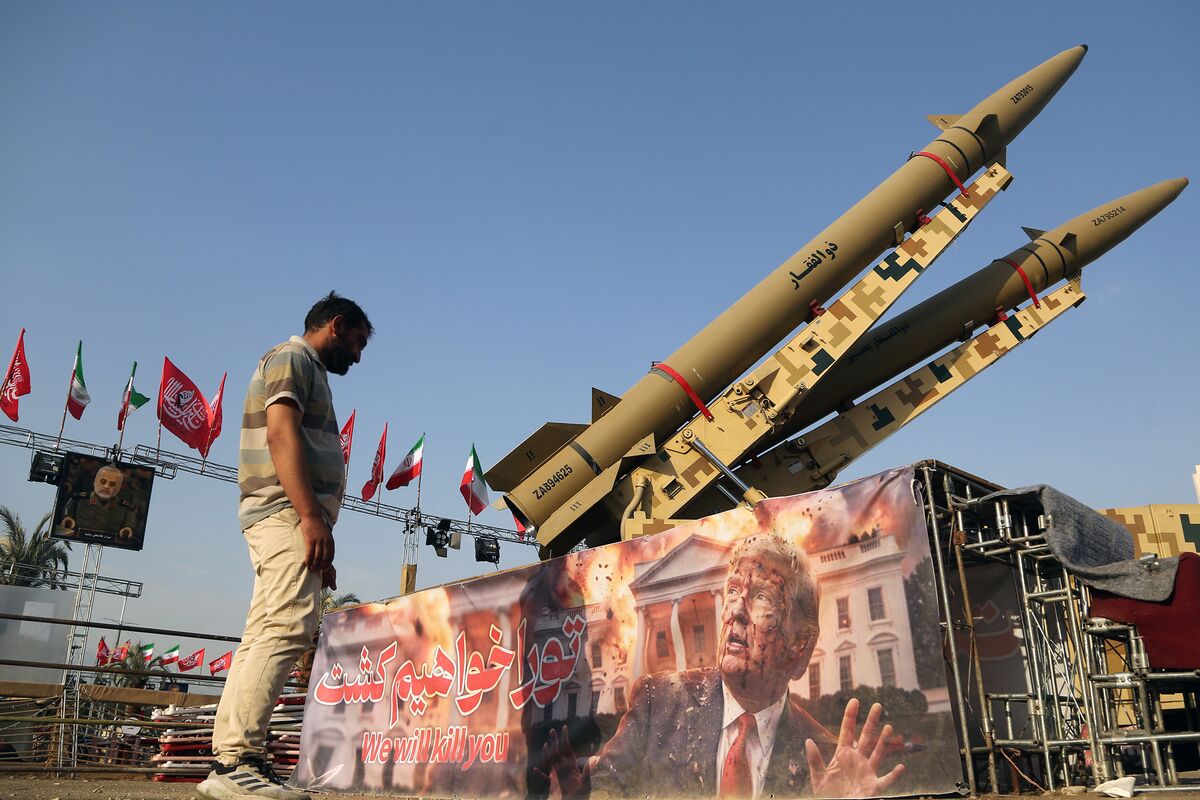
US and Iran exchanged strikes after a month, with Jordan intercepting eight missiles and Brent crude jumping more than 2% above $90, reviving fears of a broader conflict. The flare-up risks higher energy costs and added inflation pressure while also complicating India’s balancing act between Washington and Moscow, as India bought a record 2.8M bpd of Russian crude in July amid Middle East supply strain. Washington is threatening new penalties, including tariffs of up to 100% on goods from Moscow’s biggest oil customers, raising trade and supply-chain uncertainty ahead of Modi–Putin discussions at the SCO summit.
Analysis
The immediate market read-through is an inflation impulse, but the more important second-order effect is margin dispersion: energy upstream and tanker names gain pricing power, while fuel-sensitive sectors lose twice — once through input costs and again through multiple compression if rates stay higher for longer. If Brent holds above the low-90s for more than a few sessions, the bigger winners are not majors so much as unhedged producers and select service names; the bigger losers are airlines, consumer discretionary, and rate-sensitive small caps.
The policy risk is more actionable than the headline exchange of fire. Threats to penalize buyers of Russian crude matter because they can tighten the effective shadow market even without an outright supply shock, which would narrow discounts on re-routed barrels and lift freight/insurance costs across Asia. India is the key transmission channel: if New Delhi is forced to reduce Russian purchases, refiners there face a margin squeeze, while global crude balances tighten at the margin over the next 1-3 months.
Contrarian view: the market may be overpricing immediate supply loss and underpricing diplomatic de-escalation. The airstrike-retaliation cycle can fade quickly if the U.S. avoids broadening the conflict and OPEC+ quietly offsets price spikes; in that case Brent can give back most of the move and the inflation scare becomes a short-lived risk premium. DJT is best thought of as a sentiment-driven political volatility vehicle, not a clean fundamentals trade; the relevant question is whether higher energy prices translate into a sustained tariff/inflation narrative that hurts Trump odds, but that is a polling and policy story, not a one-day headline trade.
AllMind Terminal
AI-powered research, real-time alerts, and portfolio analytics for institutional investors.
Request TrialMarket Sentiment
Overall Sentiment
mildly negative
Sentiment Score
-0.35
Ticker Sentiment
Key Decisions for Investors
- Long XLE / short XLY for 1-3 months: best expression of higher fuel costs and inflation pressure; use on pullbacks if Brent stays above $90. Falsify if Brent falls back below $86 on de-escalation or OPEC+ signaling.
- Buy 1-2 month call spreads on XOP rather than outright crude beta: cleaner convexity to a sustained geopolitical premium, with less risk than naked USO calls if headlines reverse. Risk/reward improves if the market starts pricing secondary-sanctions enforcement.
- Short JETS on any rally driven by de-escalation skepticism: airlines have asymmetric downside if oil remains elevated, while demand usually lags the first move in fuel. Cover if jet fuel cracks fail to follow crude higher within 2-3 weeks.
- Avoid an outright directional DJT position unless you are explicitly trading election/polling headlines; if forced to express it, use small-size put spreads only if higher gasoline prices start hitting consumer sentiment data. Falsify on any sustained rise in Trump odds or a retreat in inflation expectations.
- Set an alert on Brent $95 and on any formal U.S. tariff/sanctions announcement against Russian-oil buyers: that is the point where the trade shifts from a headline fade to a more durable supply-chain repricing.
More News
- Brian Sullivan: Why the 'real' price of oil is likely $30-$40 higher than where it is now
- Treasuries Soar as Tech Slump Threatens Growth
- Latest Oil Market News and Analysis for Oct. 16
- Blackstone President Jon Gray Bets Big on AI Boom
- Suddenly, Wall Street is worried that the U.S. economy is more ‘vulnerable’ than it looks
- Ukraine to resume strikes on Russian refineries, shattering hopes of an 'energy ceasefire'
From AllMind Research
- Anthropic IPO Preview: Valuation, Timing, and What to Watch
- Shein After the IPO: Venue, Valuation, and What Must Be Proved
- What AI Research Tools Should a Small Hedge Fund Buy First?
- AI Vendor Landscape for Institutional Investment Teams
- AllMind Fixed Income Compass for October 2025: Navigating Policy Divergence and Political Risk