
Tomorrow.Mobility 2026 will gather over 240 international experts in its conferences
Source: PR Newswire
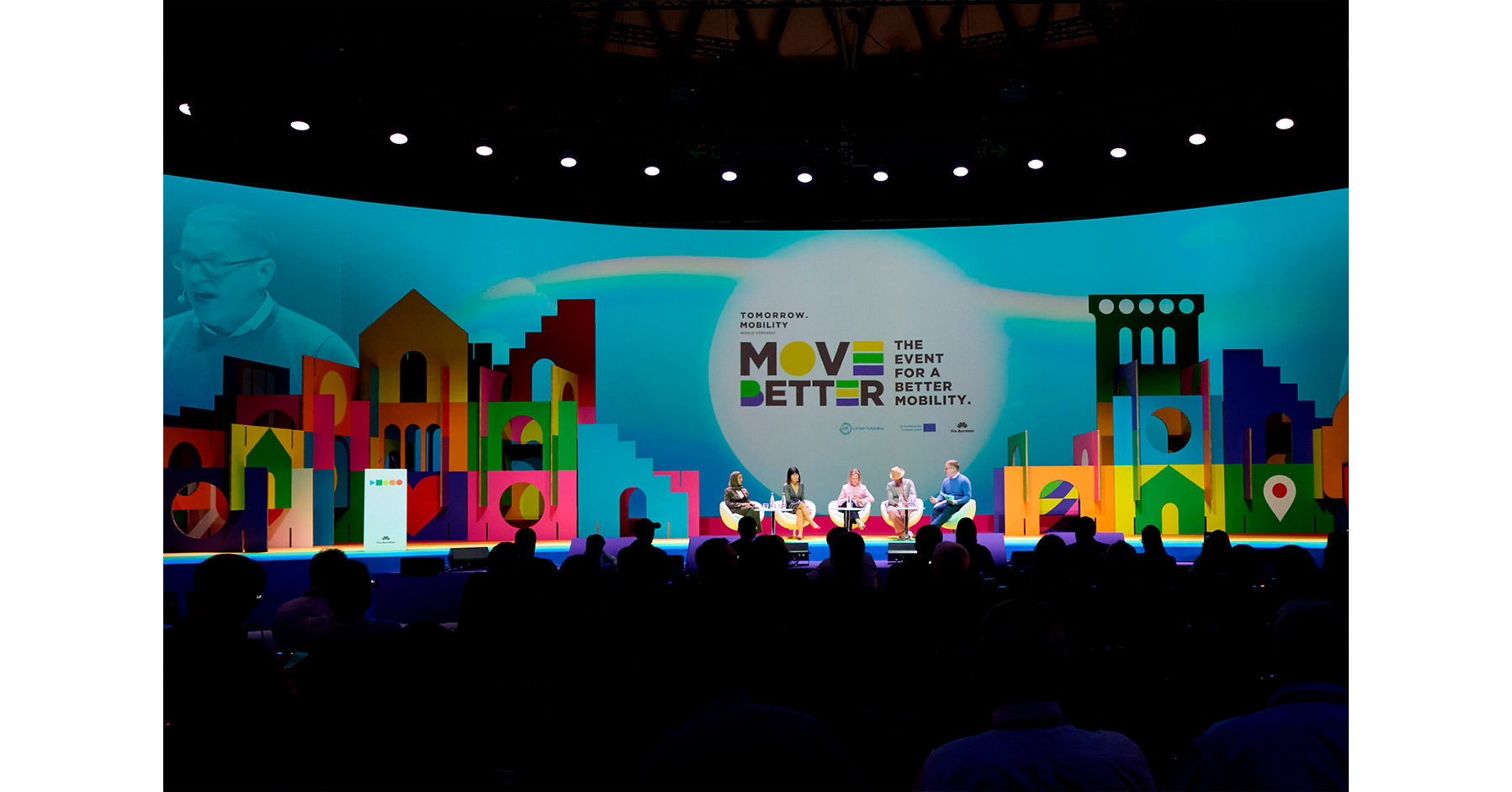
Tomorrow.Mobility World Congress will convene more than 240 experts in Barcelona on November 3–5, 2026, to discuss sustainable urban mobility. A survey of 1,503 adults in Barcelona, Munich and Bucharest found 56% commute by public transport versus 52% using car-based transport; reliability, safety and comfort were leading commuter priorities, while 41% said they feel completely drained when they arrive home. The announcement also notes that co-located events will bring together more than 1,100 exhibitors and over 27,000 attendees.
Analysis
The event is a weak near-term trading signal: a conference agenda and a three-city survey do not establish new funding, procurement, or consumer willingness to pay. The more useful implication is about where any urban-mobility spending may go. Reliability and operating performance are likely to be easier for cash-constrained cities to justify than large network expansions, potentially favoring vendors of fleet management, maintenance, ticketing, and traffic-control systems over projects dependent on multi-year infrastructure approvals. That is a conditional thesis, not evidence of incoming contracts.
The survey’s limited geographic scope and stated service gaps should not be extrapolated to Europe-wide demand. Nor does stated preference for public transport guarantee ridership or fare revenue: service frequency, affordability, and safety still determine adoption. A key second-order risk is that cities announce modernization plans but defer implementation under budget pressure, leaving suppliers with long sales cycles and weak near-term conversion.
Over days, no material catalyst is apparent. Over 1–3 months, watch for specific city tenders, funding commitments, or measurable procurement timelines—not conference announcements. Over 6–18 months, recurring awards tied to reliability improvements would support the operating-technology thesis. The contrarian read is that improved user experience may require operating subsidy, not just technology, so vendors’ addressable opportunity could be overstated. Falsification: continued tender deferrals, declining transit service reliability, or no conversion of announced programs into funded contracts.
AllMind Terminal
AI-powered research, real-time alerts, and portfolio analytics for institutional investors.
Request TrialMarket Sentiment
Overall Sentiment
neutral
Sentiment Score
0.10
Key Decisions for Investors
- No event-driven position: the information does not support a defensible earnings or valuation revision.
- Add urban transit operations technology and fleet-management suppliers to a watchlist; consider exposure only after funded tenders or contract awards demonstrate conversion from policy interest to revenue.
- Do not treat the survey as a broad ridership forecast. Reassess if subsequent city-level data show sustained ridership growth alongside improved reliability and service frequency.
- Track municipal budget decisions and tender delays over the next 1–3 months; repeated deferrals would weaken the infrastructure and mobility-technology thesis.
More News
- BlackRock, GIC among investors chasing Indian telecom major Jio's IPO as anchor bids top $26 billion
- Nscale, Anthropic Eye $45 Billion Cloud Deal as AI Trade Rebounds
- Gartner analyst behind tech rout: AI returns are not yet large enough to justify neocloud build-out
- Saudi Arabia cancels 2026 ‘Davos in the Desert’ amid Houthi attacks
- Alibaba Backs Chinese Robovan Maker in $400 Million Fundraising
- Walmart’s Flipkart is quietly building a food delivery challenger in India
From AllMind Research
- Anthropic IPO Preview: Valuation, Timing, and What to Watch
- Shein After the IPO: Venue, Valuation, and What Must Be Proved
- What AI Research Tools Should a Small Hedge Fund Buy First?
- How to Search Earnings Call Transcripts With AI
- What a Concept From Nature Tells Us About How C-Suite Executives Actually Think About AI