
Micron keeps analysts bullish as memory demand strengthens
Source: proactiveinvestors.com
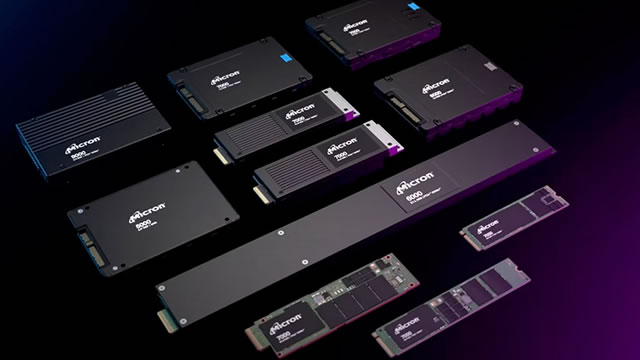
Bank of America and UBS reiterated buy ratings on Micron, citing sustained memory demand, improving pricing and potential shareholder returns. BofA identified the key fiscal Q4 issue as whether Micron can sustain gross margins in the mid-80% range through fiscal 2027, which would support its earnings outlook.
Analysis
The investable issue is not the reiteration of buy ratings but whether MU can convert AI-memory scarcity into a durable earnings regime rather than a late-cycle DRAM peak. If gross margin holds near the cited level into FY27, MU's earnings power and multiple should migrate toward a specialty/AI infrastructure supplier rather than its historical commodity-memory valuation; even a modest 2-3x expansion in forward P/E would matter more than another incremental price-target increase. The critical transmission mechanism is HBM capacity allocation: every wafer committed to high-margin HBM tightens conventional DRAM supply, supporting pricing across the portfolio and extending the cycle.
Near term, consensus likely already embeds strong results, making the next earnings reaction dependent on FY26/FY27 margin durability, HBM qualification progress, and capex discipline rather than reported quarterly beats. A guidance signal that conventional DRAM/NAND pricing is flattening, or that Korean peers accelerate capacity conversion, would expose MU to sharp de-rating because elevated margins leave little room for execution slippage. SK Hynix and Samsung Electronics are the relevant competitive checks: a faster-than-expected ramp from either could pressure HBM premia within 6-18 months, while China demand weakness would first appear through weaker commodity-memory mix.
Contrarian framing: shareholder returns are supportive only if management resists using cycle-peak cash flow to fund an aggressive capacity build. The better leading indicators are HBM lead times, contract-price resets, and industry capex-to-revenue—not sell-side rating changes. MU is attractive on evidence of constrained supply, but not as a blind momentum chase after an earnings-driven gap higher.
AllMind Terminal
AI-powered research, real-time alerts, and portfolio analytics for institutional investors.
Request TrialMarket Sentiment
Overall Sentiment
moderately positive
Sentiment Score
0.42
Ticker Sentiment
Key Decisions for Investors
- Maintain/add MU only on post-results confirmation that FY26 gross-margin guidance and HBM supply commitments support sustained premium profitability; use a 1-3 month horizon. Favor equity over short-dated calls given elevated event-implied volatility.
- Structure a 6-12 month relative-value trade: long MU / short SOXX in beta-neutral sizing. This isolates MU's HBM mix and capital-return upside from broad semiconductor cyclicality; exit if MU guides to margin compression or SOXX-relative performance fails after earnings.
- For downside protection into the next earnings print, own a MU put spread 10-15% below spot with 2-3 months maturity rather than reducing the core position. The asymmetric risk is a guidance reset on HBM ramp, pricing, or capex, which could compress both EPS estimates and the valuation multiple.
- Monitor Samsung Electronics and SK Hynix capacity commentary, plus DRAM/NAND contract-price data, as thesis alerts. Evidence of accelerated supply additions or sequential commodity-memory price declines would falsify the durable-margin thesis and warrants closing MU longs rather than waiting for reported results.
More News
- U.S. demand for Novo Nordisk’s weight loss drugs is so huge that the Danish central bank just doubled the nation’s entire growth forecast
- History rhymes for Meta, and our plan for Micron ahead of earnings
- Micron’s stock has become a ‘battleground’ as the AI narrative shifts
- This could infrastructure stock has been hit hard of late. UBS says to buy it
- Royal Caribbean to buy 50% stake in Sandals Resorts for $3bn
- Michael Burry adds to shorts as Nasdaq-100 hits all time high. Why he's betting against chips