
Xinhua Silk Road: In Yinchuan im Nordwesten Chinas florieren Weinbau und Weinwirtschaft, begleitet von internationalen Veranstaltungen
Source: PR Newswire
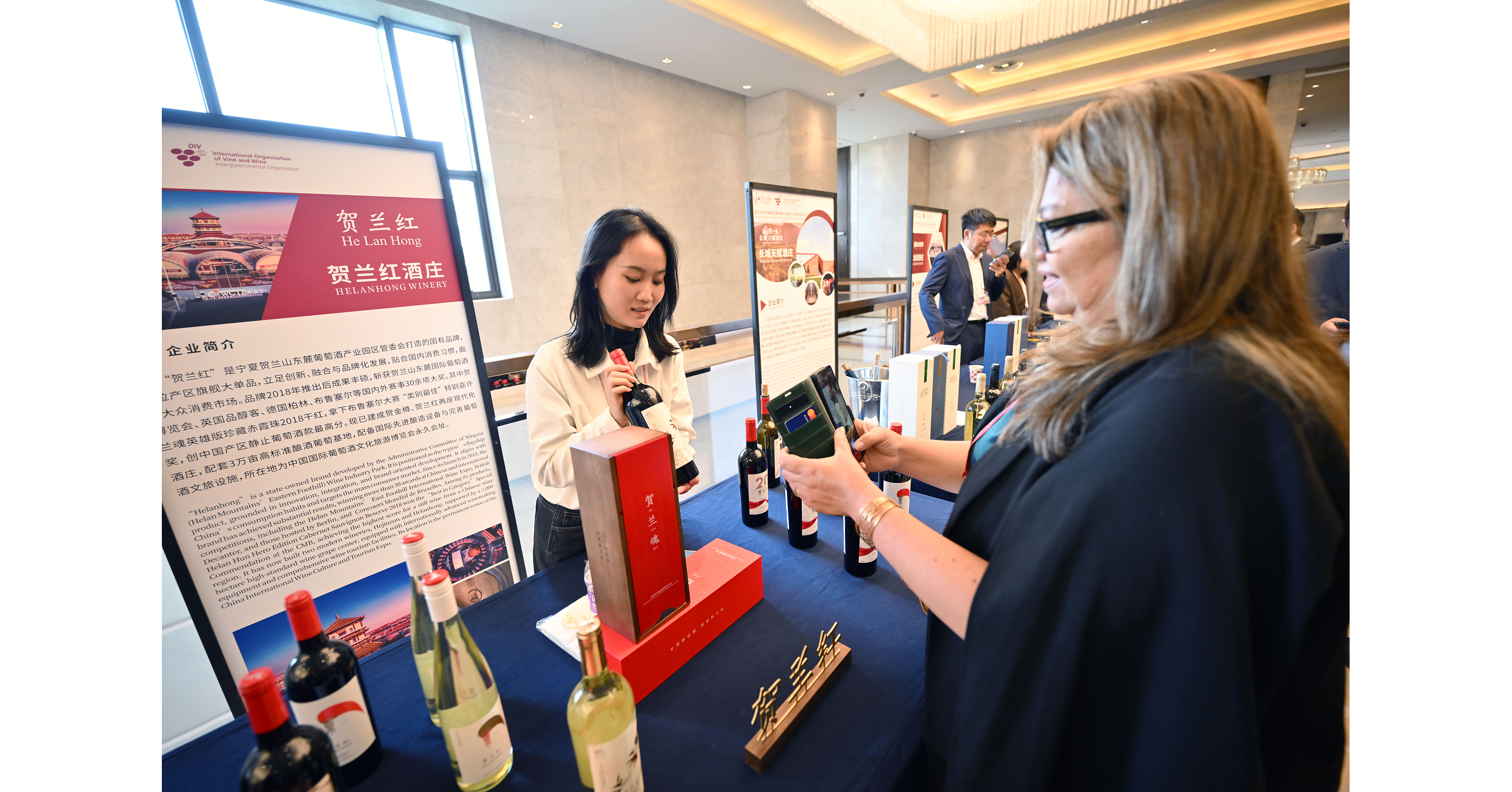
Ningxia had 606,000 mu (about 40,400 hectares) of wine-grape acreage in 2025, roughly 40% of China’s total, with 261 wine-industry companies producing 140 million bottles annually. Yinchuan is hosting the 47th World Congress of Vine and Wine and the OIV General Assembly—the congress’s first time in Asia since the organization was founded in 1924—alongside an international wine, culture and tourism expo. The report highlights regional industry growth and alignment of more than 70% of local technical standards with OIV standards, but provides no sales or earnings figures.
Analysis
Investment read-through is limited: this is a regional development and event-promotion story, not evidence of improved winery earnings or a change in national wine demand. The key non-obvious risk is that expanding vineyard acreage and tourism-linked capacity can increase fixed costs and water dependence before premium demand, pricing power, or export channels are proven. OIV-aligned standards may reduce technical friction over time, but do not by themselves create foreign distribution or remove trade barriers.
Near term, the congress is a weak catalyst: it may lift local visitation and visibility, but the event is already underway and there is no disclosed spending or booking data to translate into listed-company earnings. Over 1–3 months, watch for independently reported visitor receipts, winery sell-through, inventory, and realized prices—not acreage or conference attendance. Over 6–18 months, the test is whether Ningxia can build repeat domestic demand and export access without worsening water stress or relying on promotion-driven sales.
Contrarian point: the stated share of China’s vineyard area can sound like market power, but acreage is not equivalent to profitable production or consumer share. Potential beneficiaries are local hospitality and agricultural inputs; imported-wine distributors could face incremental domestic substitution if Ningxia gains brand traction. Neither effect is quantifiable from this article, and no direct listed-company exposure is established.
AllMind Terminal
AI-powered research, real-time alerts, and portfolio analytics for institutional investors.
Request TrialMarket Sentiment
Overall Sentiment
mildly positive
Sentiment Score
0.25
Key Decisions for Investors
- No trade on the announcement alone. The information is promotional, the event catalyst is already in progress, and the article provides no sales, margin, pricing, or export data.
- Treat domestic wine substitution as a watch item for imported-wine distributors and global beverage companies with China exposure; seek evidence in channel inventory, import volumes, and market-share data before positioning.
- Monitor Ningxia tourism receipts and winery sell-through over the next 1–3 months. Strong visitation without improving wine sales or realized prices would weaken the commercial thesis.
- Falsifiers for the longer-term growth case include rising winery inventories, discounting, declining regional water availability, or failure to establish repeat purchases and export distribution.
More News
- Stock fixing scandal could see Turkish companies frozen out of global indexes
- Ukraine advances in occupied Donetsk as Trump hands Putin diesel deal
- MSCI Ignites Indonesia Market Reckoning After Months of Warnings
- Indonesia Caught Off Guard by Surprise MSCI Downgrade Warning
- Indonesia stocks suffer biggest daily slump since 1998 as MSCI weighs downgrade
- Indonesia’s Danantara pledges $5 billion to home-grown companies as MSCI once again threatens a downgrade