
A strategist who called the Asian financial crisis sees parallels with the AI boom
Source: MarketWatch
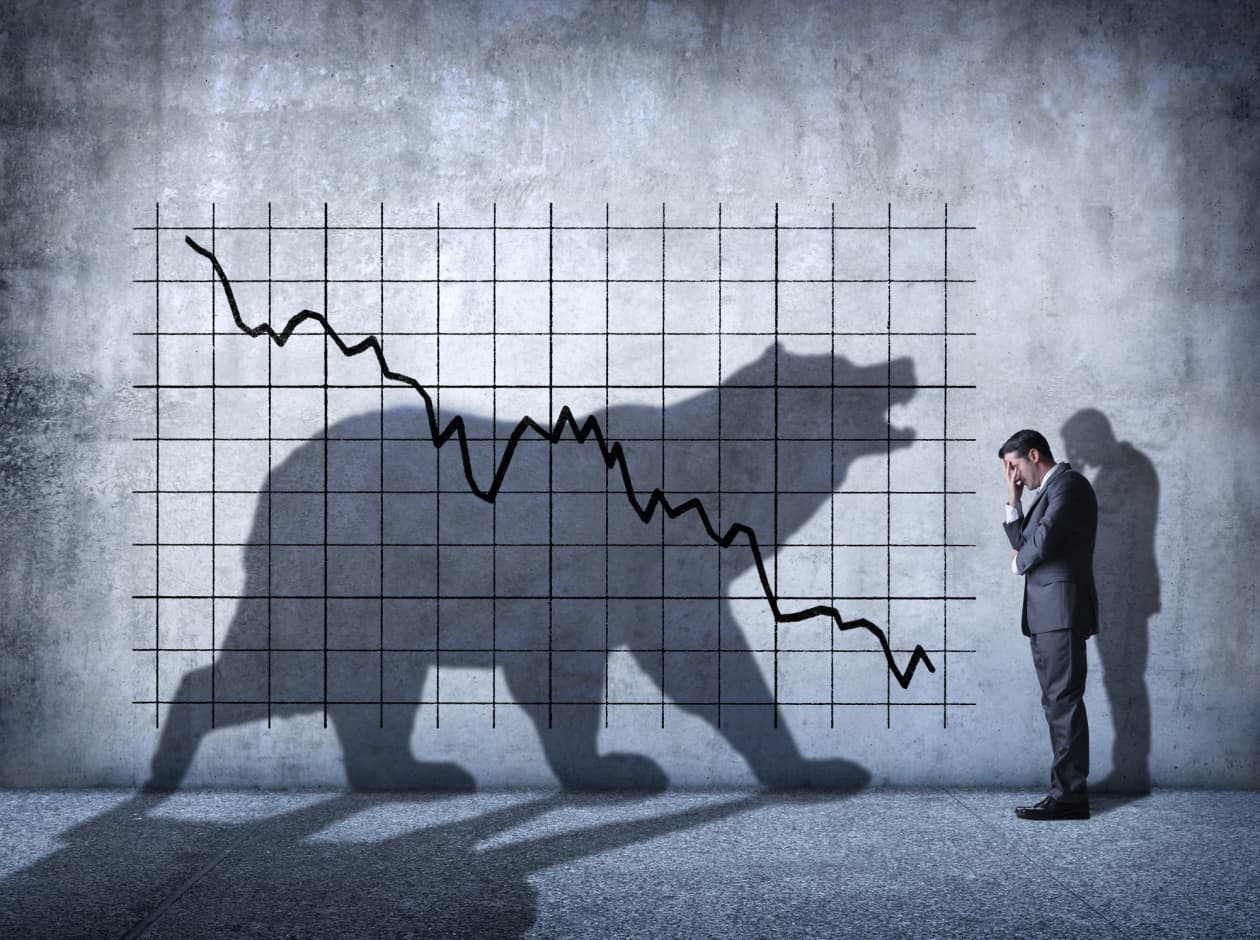
Societe Generale strategist Albert Edwards sees parallels between the 1997 Asian financial crisis and today’s AI investment boom, which he believes may be a bubble. The comparison was prompted by Apollo chief economist Torsten Slok’s note highlighting disappointing total factor productivity growth; the article provides no specific figures or reported market reaction.
Analysis
The investable risk is not the historical analogy; it is the possibility that AI capital spending outruns measurable returns. If weak productivity persists, the market may question utilization and payback before it questions AI’s long-run potential. That would put near-term pressure on high-duration AI infrastructure exposures—especially semiconductor and data-center supply chains—through lower forward order expectations and multiple compression. The spillover could reach utilities and power-equipment names if planned load growth is deferred.
The counterpoint is that aggregate productivity data can lag adoption and may not capture gains well. One disappointing indicator does not establish that AI investment is unproductive, and the article provides no company-level capex, revenue, or valuation evidence. This is a risk-management signal, not a standalone short thesis.
Over the next 1–3 months, watch hyperscaler capex guidance, chip order revisions, data-center utilization and evidence that AI revenue is converting into customer productivity. Over 6–18 months, sustained weak productivity alongside continued capex growth would strengthen the bubble-risk case; improving productivity or monetization would undermine it. The analogy is falsified as a near-term market signal if productivity measures firm and earnings guidance supports infrastructure demand.
AllMind Terminal
AI-powered research, real-time alerts, and portfolio analytics for institutional investors.
Request TrialMarket Sentiment
Overall Sentiment
mildly negative
Sentiment Score
-0.25
Key Decisions for Investors
- Avoid adding to crowded AI infrastructure exposure solely on the assumption that announced spending will translate into durable returns; size positions against capex and monetization evidence.
- For portfolios with concentrated semiconductor or data-center beta, consider a limited-cost put spread on a broad semiconductor ETF as a 1–3 month hedge, rather than initiating an outright short on this evidence alone. Define the risk at entry and reassess after major capex and earnings updates.
- Track quarterly hyperscaler capex alongside AI-related revenue, utilization and supplier order revisions. A widening gap between spending and monetization is the actionable bearish trigger; improving conversion is a reason to remove the hedge.
- No direct trade is warranted from the TFP comparison alone: the article supplies no company-specific exposure, valuation, positioning or revisions data. Treat the strategist’s view as a catalyst to audit AI concentration, not as independent confirmation of a bubble.
More News
- The world needs Ukraine’s grain. Its farmers are running out of reasons to plant
- Israel’s economy prospers despite years of war, but prices worry voters
- French yields are near levels not seen since 2002. Why that could give U.S. Treasurys a boost
- SpaceX’s Wireless Threat Rises With Spectrum Deal
- OpenAI's revenue scare, Delta earnings, what investors think of a Starbucks-Chipotle deal and more in Morning Squawk
- What's behind the recovery rally in tech stocks — plus, Elon Musk's very good week
From AllMind Research
- Anthropic IPO Preview: Valuation, Timing, and What to Watch
- Shein After the IPO: Venue, Valuation, and What Must Be Proved
- What AI Research Tools Should a Small Hedge Fund Buy First?
- The $4.7 Trillion Bet: When Does AI Capex Become AI Revenue?
- Equity Research Automation Statistics: A 2026 Evidence Check