
RBA warns inflation risks are materialising as oil and AI pressures build
Source: proactiveinvestors.com
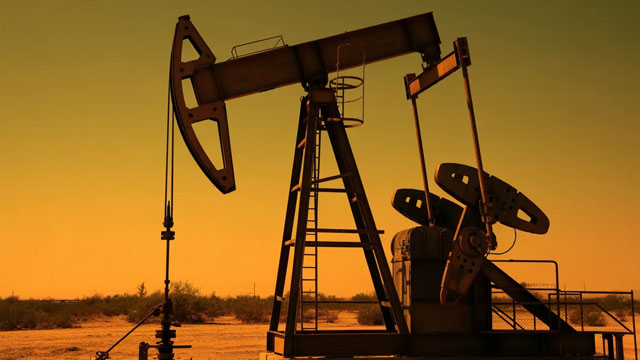
RBA Governor Michele Bullock warned that upside inflation risks are beginning to materialise, increasing the prospect of another interest-rate hike even as Australia’s economy slows. She cited higher oil prices, Middle East conflict, the global AI investment boom and persistent domestic capacity constraints as sources of renewed price pressure. The comments reinforce a hawkish policy risk for Australian rates, bonds and rate-sensitive equities.
Analysis
The investable implication is a shift from a benign slowing-growth narrative to an Australian stagflation tail: imported energy costs can lift headline inflation while domestic capacity constraints keep services inflation sticky. That combination raises the term premium on Australian duration and pressures long-duration domestic equities more than it supports broad cyclicals. The immediate transmission is likely through higher 2-5 year Commonwealth Government bond yields and tighter financial conditions, rather than a material near-term reduction in oil-driven inflation itself.
Australian banks may initially benefit from higher asset yields, but the more relevant 6-18 month effect is rising arrears and provisioning as highly levered mortgage borrowers roll onto higher rates. CBA, WBC and ANZ have less room for multiple expansion if the policy path shifts upward while credit growth decelerates; REITs and discretionary retailers face the more direct valuation and demand hit. By contrast, WDS and STO offer a partial domestic inflation hedge: higher realized energy pricing supports cash flow, while a weaker risk backdrop can make their shareholder-return profiles relatively more attractive.
Consensus may underappreciate that AI-led global capex is inflationary for power, equipment and engineering capacity, not simply a technology-growth tailwind. This can prolong cost pressure even if household demand weakens, making a rapid RBA easing cycle less likely. The thesis is falsified by consecutive downside surprises in Australian trimmed-mean inflation, clear cooling in wages/services measures, or a sustained reversal in crude prices that removes the imported-price impulse.
AllMind Terminal
AI-powered research, real-time alerts, and portfolio analytics for institutional investors.
Request TrialMarket Sentiment
Overall Sentiment
mildly negative
Sentiment Score
-0.32
Key Decisions for Investors
- Position for higher Australian front-end rates over the next 1-3 months: short 3-year Australian government bond futures or receive protection through payer swaptions. Use the next inflation release and RBA communication as catalysts; exit if underlying inflation materially undershoots consensus, as this trade is vulnerable to a growth-led policy pivot.
- Pair long WDS and STO versus short SGP or the Australian REIT ETF (VAP) over 3-6 months. The pair isolates the energy-price/cash-flow benefit against rate-sensitive property valuation pressure; size modestly because a sharp oil reversal or government intervention in domestic gas markets would impair the long leg.
- Reduce exposure to Australian bank beta, particularly CBA, in favor of a defensive underweight versus the ASX 200 or EWA for a 6-12 month horizon. Higher rates can support near-term NIM, but slowing loan growth and a delayed credit-cost cycle create unfavorable risk/reward once mortgage resets accumulate.
- Do not chase a broad AI-equity read-through in Australia. Instead, monitor power-price, grid-connection and engineering-cost data for a possible later long in infrastructure and electrification beneficiaries; without evidence of contracted project economics, the inflation mechanism is clearer than the equity earnings upside.
More News
- Trump signs sweeping Russia sanctions over Ukraine war
- Google's Gemini becomes latest AI model to break out and hack computer systems
- Saudi Oil Cuts Tied to War Hit Europe: Evening Briefing Americas
- Trump says U.S. to build a 'large Military presence' in Greenland as part of a security deal with it and Denmark
- Kevin Warsh just revealed a huge change for the Fed. The press missed it
- Bank of Japan Hike Could Reshape Yen Carry Trade