
Failed Firmus IPO Ripples Across Asia, Maas shares slump, Treasury Wine Estates
Source: Bloomberg
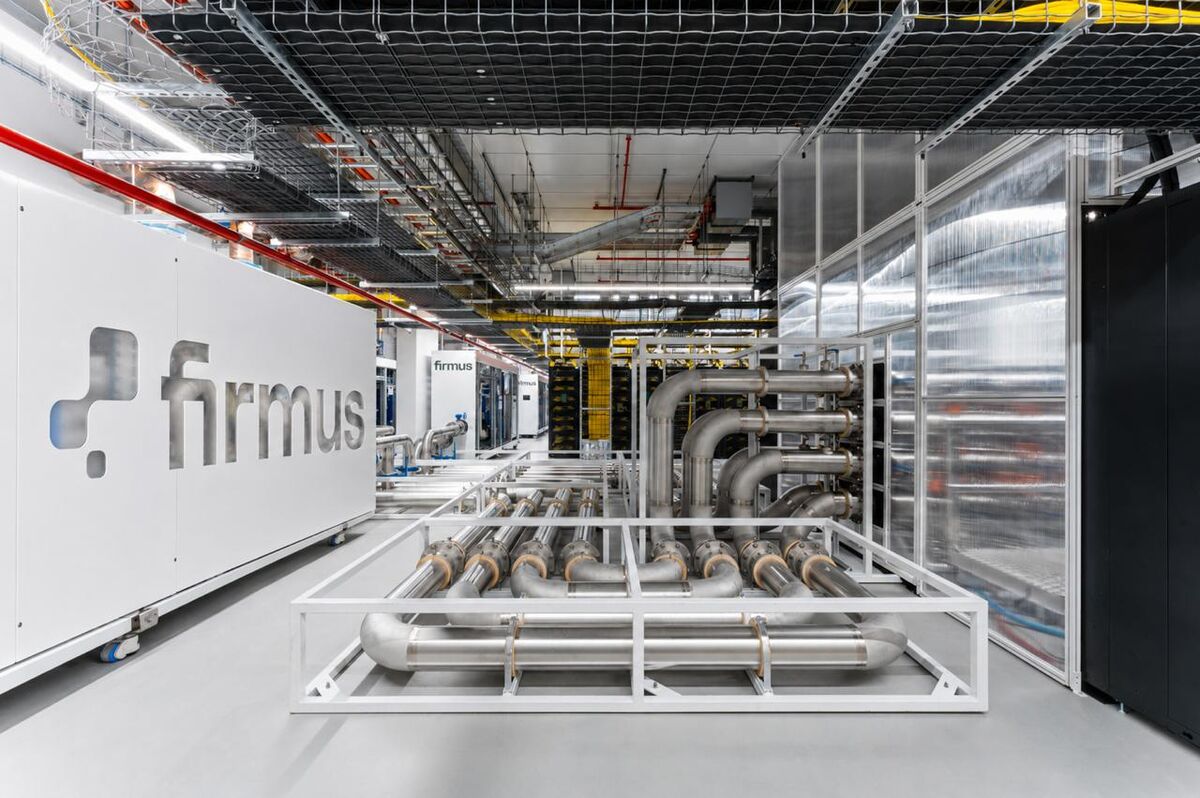
Firmus’s planned IPO collapsed last week after demand for shares cratered, derailing a listing that would have been among Australia’s largest and that had supported a $30 billion valuation. The fallout has made investors more selective about AI infrastructure deals reliant on future earnings assumptions, and erased A$1 billion in market value from an Australia-listed company with a stake in Firmus. A portfolio manager said the episode raises the bar for future deals and leaves investors less forgiving of optimistic assumptions.
Analysis
Selective funding shock, not proof that AI infrastructure demand is rolling over. The relevant repricing is the discount investors apply to capacity whose returns depend on future utilization, power delivery and customer commitments. Near term (days to weeks), expect a higher risk premium for AI-infrastructure IPOs and private funding rounds, with spillover to listed companies perceived to own speculative development exposure. The A$1 billion market-value impact belongs to an unnamed stake-holder; without its identity and stake economics, it cannot be translated into a consolidated-company earnings or NAV sensitivity.
Over 1–3 months, watch IPO postponements, revised valuations and whether investors demand contracted customer commitments before funding new capacity. Over 6–18 months, the distinction should widen between projects with secured power, financing and credible lease-up and those relying on distant AI demand. Existing operators such as NextDC and Goodman Group may be relatively better positioned if their disclosed contracted capacity and funding plans support that distinction, but this is not automatic: capex intensity, power constraints and valuation still matter.
Contrarian angle: a failed offering can reset private marks without invalidating long-run compute demand; indiscriminate selling of operating assets could create relative-value opportunities. The thesis weakens if subsequent infrastructure offerings clear on terms near prior expectations and operators report firm customer commitments. It strengthens if cancellations, weaker leasing or lower capacity-utilization guidance appear.
AllMind Terminal
AI-powered research, real-time alerts, and portfolio analytics for institutional investors.
Request TrialMarket Sentiment
Overall Sentiment
moderately negative
Sentiment Score
-0.45
Key Decisions for Investors
- Avoid treating this as a standalone short signal for all AI infrastructure. Do not add broad exposure until the identity of the listed stake-holder, its ownership percentage and the impairment or NAV treatment are verified.
- Watch for relative-value entries favoring established operators over development-stage AI capacity, but require evidence from filings on contracted capacity, power availability, capex funding and lease-up; NextDC and Goodman Group are research candidates, not automatic longs.
- For the next 1–3 months, track Asia-Pacific data-center IPO launches, withdrawals and valuation resets as sentiment indicators. A further wave of deferrals would support a more cautious sector stance; successful offerings with durable customer commitments would challenge it.
- Falsification checks: a material downgrade to leasing or utilization guidance would validate the bearish spillover thesis; firm contracted-demand disclosures and stable funding plans would argue the market has overgeneralized from one failed IPO.
More News
- Meta Releases New AI Model Called Muse Wonder
- Goldman Sachs, Morgan Stanley have earnings momentum and are reporting this week. There are others
- Satya Nadella went from an H-1B worker to Microsoft CEO. The Trump administration just shut that path for his employees
- Bumble in talks for $1B take-private deal with Silicon Valley investment firm as dating app struggles
- Bear to bull: A double upgrade of Salesforce illustrates the folly of the 'SaaSpocalypse'
- Meta Says New Muse Model Reaches AI Frontier After 14-Month Push