
CRRC achève la fabrication d'une pale d'éolienne recyclable de 110 mètres, avec un taux de valorisation des matériaux clés supérieur à 95 %
Source: PR Newswire
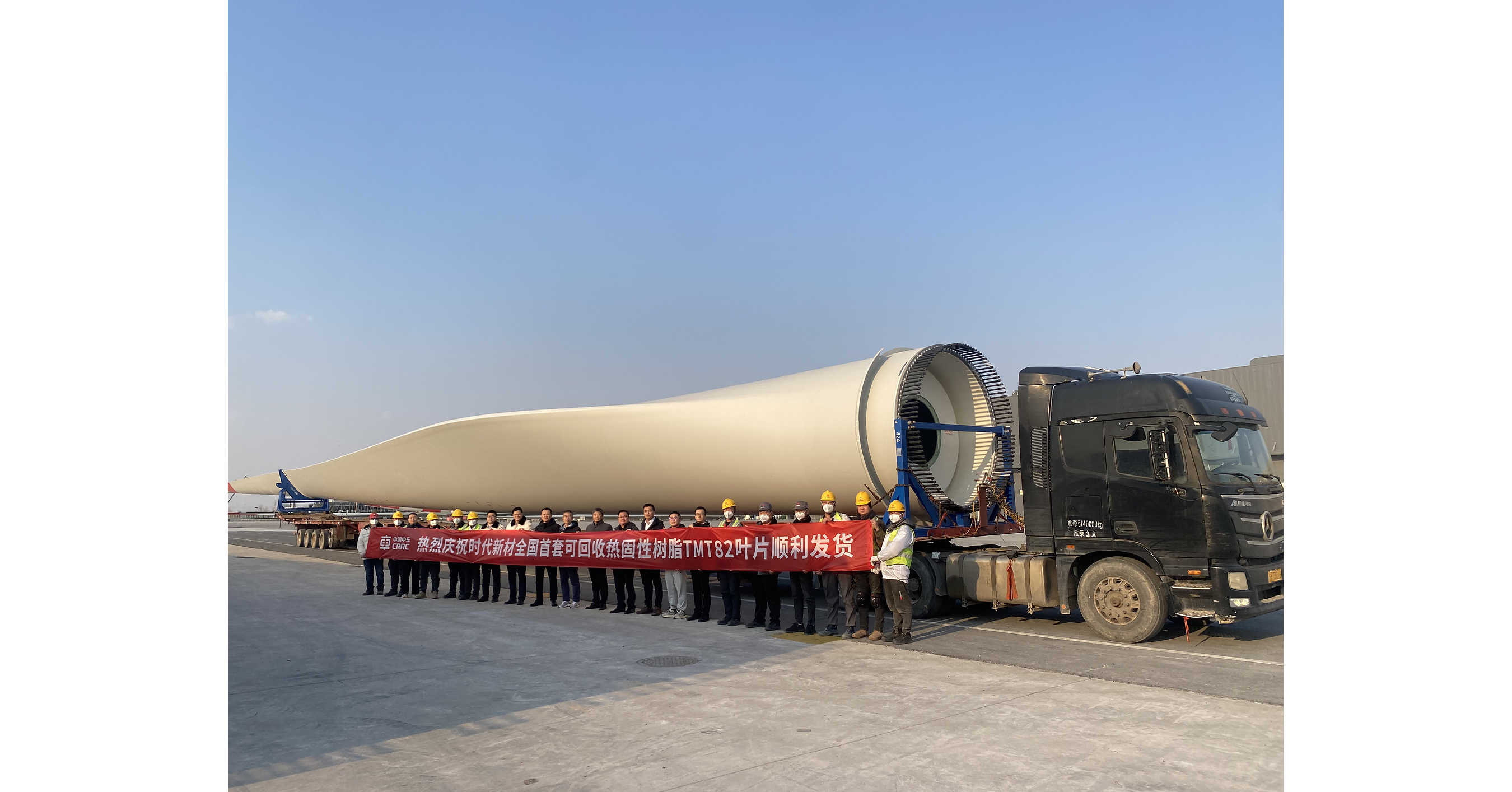
CRRC completed a 110-meter recyclable wind-turbine blade with recovery of more than 95% of key materials, advancing commercial-scale end-of-life management for large turbines. China is expected to add more than 470 GW of new onshore and offshore wind capacity in coming years, while over 30,000 turbines representing 44.73 GW could be retired by 2030, generating an estimated 947,900 metric tons of wind-related solid waste. The technology supports closed-loop reuse of resin and reinforcement fibers and could strengthen CRRC's offshore-wind equipment positioning in international markets amid rising sustainability-reporting requirements.
Analysis
The investable implication is not near-term blade revenue but a potential reduction in lifecycle-cost objections that have constrained offshore wind procurement. For CRRC (601766.SS), a validated circularity offering could improve bid qualification and project-finance acceptability over 6-18 months, particularly where developers must quantify end-of-life liabilities; however, blade content is a modest share of turbine value, so it is unlikely to move consolidated earnings absent repeat commercial orders. The key unverified variables are certification under IEC/DNV standards, fatigue performance in serial production, and delivered recycling cost per tonne versus landfill, cement co-processing, and virgin-material substitution.
The more important second-order effect is competitive: Siemens Energy (ENR.GR), Vestas (VWS.CO), and GE Vernova (GE) may need to absorb higher R&D, material-qualification, and take-back costs to preserve European tender eligibility. Yet Chinese technology leadership does not automatically translate into European share gains: local-content requirements, anti-subsidy scrutiny, cybersecurity concerns, and offshore service-bankability remain more binding barriers than blade recyclability. Recovered glass fiber generally carries a discount to virgin fiber, so the economic case depends on avoided disposal/transport costs and regulatory compliance value rather than resale proceeds.
Consensus may overstate the ESG differentiation from a company press release. The first material catalyst is commercial deployment with independently disclosed cost, warranty, and recovery yields within 1-3 months; the structural inflection would be inclusion in offshore tender specifications or OEM framework agreements over 6-18 months. The thesis is falsified if qualification delays emerge, recycled-material economics require subsidies, or European policy shifts from disclosure-driven requirements toward trade protection that excludes Chinese OEMs regardless of technical performance.
AllMind Terminal
AI-powered research, real-time alerts, and portfolio analytics for institutional investors.
Request TrialMarket Sentiment
Overall Sentiment
moderately positive
Sentiment Score
0.48
Key Decisions for Investors
- No standalone directional trade on 601766.SS at this stage; treat as a 1-3 month alert. Upgrade only after third-party blade certification and a named commercial offshore order disclose economics; absent those, the announcement is unlikely to alter earnings estimates.
- Monitor a relative-value long ENR.GR / short VWS.CO only if European tender documents begin assigning measurable end-of-life scoring: Siemens Energy has greater offshore project exposure and service monetization, while Vestas faces more direct pressure to match lifecycle commitments. Target a 10-15% spread move over 6-12 months; exit if offshore order intake or margin guidance reverses.
- Use any policy-driven selloff in GE to assess a tactical long rather than shorting established Western OEMs on this development alone. GE’s US/EU installed-base and service footprint offer stronger protection from Chinese import barriers; invalidate if US/EU procurement rules materially soften or GE offshore warranty provisions rise.
- Watch Syensqo (SYENS.BR) and Arkema (AKE.PA) for disclosed recyclable-resin qualification wins rather than buying on theme exposure. A multi-OEM material specification would be the actionable catalyst; failure to convert pilot programs into serial contracts within 12-18 months would indicate that disposal economics, not resin chemistry, remains the bottleneck.
More News
- Saudi, Turkish, Pakistani chiefs plan urgent talks amid Yemen fighting
- Trump Versus Xi: How Their High-Stakes Summits Compare
- Trump, Xi Address AI, Taiwan During State Visit
- Oracle Japan shares surge 7% after record fiscal first quarter, bucking selloff of U.S. parent
- China's Xi urges U.S. to cooperate on AI
- Akamai secures $11.6B cloud deal with Anthropic for AI workloads