
Can Hormel Foods Tackle Input Costs With Pricing and Efficiency?
Source: zacks.com
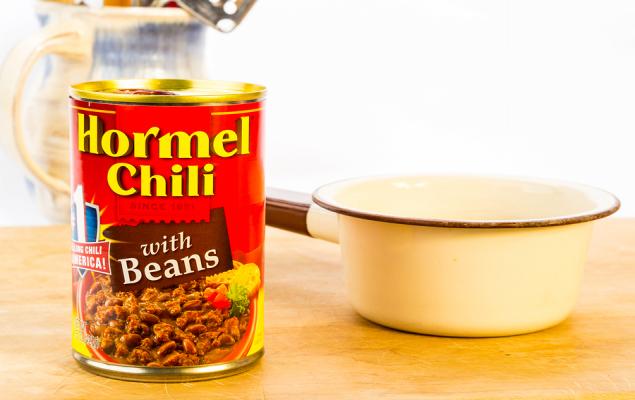
Hormel began benefiting from lower pork commodity prices in fiscal Q3 2026, with more benefit expected in coming quarters, but elevated beef, freight, logistics and fuel costs continue to pressure performance. The company has executed two waves of pricing actions and is using mix, efficiency gains and SG&A actions to partially offset cost pressures. HRL shares fell 19% over three months versus a 14.4% industry decline; its forward P/E is 12.93 and its Zacks Rank is #3 (Hold).
Analysis
The key question is whether cheaper pork converts into consolidated margin expansion, not whether input costs ease in isolation. Beef, freight and fuel can absorb that relief, while pricing actions may protect dollars per unit at the expense of volume or mix if consumers trade down. The lag in cost recognition makes near-term reported margins a noisy test; watch gross margin and volume/mix together over the next one to three quarters. A margin gain driven mainly by lower pork costs would be less durable than one accompanied by improved plant productivity and stable volumes.
HRL’s relative underperformance and industry-average forward multiple do not, by themselves, establish a bargain: the cited earnings growth trajectory moderates in the following fiscal year, leaving limited evidence of a sustained re-rating catalyst. The contrarian upside case is that operational improvements compound after the commodity benefit arrives; the downside case is that pricing and SG&A actions mask weak underlying demand while non-pork costs remain sticky. Over six to eighteen months, the differentiator is whether process and planning changes deliver repeatable productivity rather than one-time cost cuts. The article provides no quantified margin contribution, pricing elasticity, or volume trend, so treat management’s efficiency claims as unverified until results show through.
AllMind Terminal
AI-powered research, real-time alerts, and portfolio analytics for institutional investors.
Request TrialMarket Sentiment
Overall Sentiment
mildly negative
Sentiment Score
-0.15
Ticker Sentiment
Key Decisions for Investors
- Keep HRL neutral / avoid chasing a turnaround ahead of confirmation. Reassess after results show gross-margin improvement alongside stable or improving volume/mix; verify the contribution from pork costs versus productivity.
- Conditional relative-value idea: if HRL’s next results show continued margin pressure or volume deterioration despite lower pork costs, consider a small short HRL against a diversified consumer-staples exposure such as XLP. Close or reconsider if margins improve and volumes hold; no price target is justified by the supplied data.
- Track a one-to-three-month catalyst set: realized pork-cost benefit, beef and logistics expense, pricing-related volume response, and quantified manufacturing/SG&A savings. Missing data to verify include segment-level margin and volume trends and the timing of inventory cost recognition.
- Falsify the cautious thesis if HRL demonstrates sustained margin expansion beyond commodity tailwinds with stable volumes; strengthen it if pork relief fails to lift margins or management cuts earnings expectations. No actionable conclusion on CHEF, MED, or UTZ follows from their brief comparison mentions.
More News
- Why is SK Hynix stock gaining today?
- High Court coal decision, Firmus IPO, diesel prices
- Former world No. 1 Jon Rahm's lawyer tells court Spaniard is done with LIV Golf after three seasons
- Anthropic will be 'most ridiculous IPO' of year, analyst says
- Levi Strauss hikes profit guidance after tariff refunds, but its sales outlook is less optimistic
- Brazil is having its Argentina moment. How to play it
From AllMind Research
- Anthropic IPO Preview: Valuation, Timing, and What to Watch
- Shein After the IPO: Venue, Valuation, and What Must Be Proved
- What AI Research Tools Should a Small Hedge Fund Buy First?
- AI in Asset Management: 2026 Statistics That Hold Up
- What is Broker Research and RMS Systems (And How to Actually Use Them)