
Indian Stocks Fall to Lowest Since April 2025 on Oil Worries
Source: Bloomberg
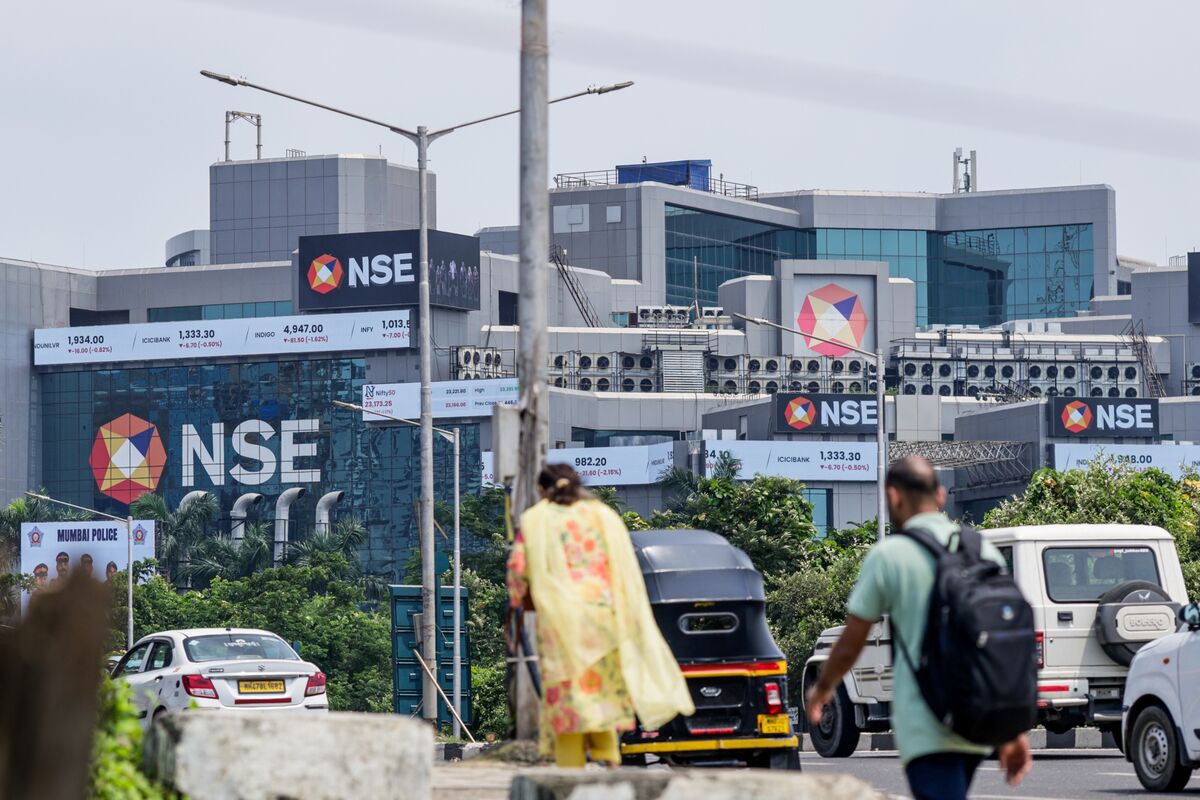
India’s NSE Nifty 50 fell 1.6% to its lowest level since April 2025, extending Wednesday’s 0.8% decline. Elevated oil prices, higher bond yields and rising borrowing costs fueled persistent investor selling; the central bank had raised rates and signaled further tightening to curb inflation.
Analysis
The pressure can compound through the currency channel: sustained crude strength raises India’s import bill, risks INR weakness and imported inflation, and may keep the RBI tighter for longer. That combination raises discount rates while squeezing real household purchasing power—an unfavorable mix for richly valued domestic-demand equities. Oil-sensitive users such as airlines, paints, chemicals and some manufacturers face margin risk if they cannot pass through costs; upstream producers may have a natural hedge, but policy intervention or taxes can blunt it. Banks are not a clean hedge: higher rates may support asset yields initially, while deposit repricing, bond-market losses and weaker borrower quality can offset that benefit.
The immediate risk is further de-risking if the index’s breakdown draws systematic or foreign selling; the 1–3 month test is whether crude and bond yields stabilize enough to ease INR and RBI pressure. Over 6–18 months, persistent energy costs would more durably favor businesses with pricing power and penalize import-dependent models. The contrarian case is that a low since last April may already reflect a meaningful amount of bad news, but the article gives no valuation, positioning or flow data to establish capitulation. A sustained crude decline, INR stabilization and a less hawkish RBI signal would weaken the bearish thesis; renewed oil strength or further tightening would reinforce it.
AllMind Terminal
AI-powered research, real-time alerts, and portfolio analytics for institutional investors.
Request TrialMarket Sentiment
Overall Sentiment
moderately negative
Sentiment Score
-0.55
Key Decisions for Investors
- Near term: use Nifty futures or put spreads as a portfolio hedge rather than initiating an unbounded short after a sharp decline. Add only if weakness persists and market breadth deteriorates; reduce the hedge if the index reclaims its breakdown area and crude/yields ease. Set sizing against portfolio risk, since no price levels or implied volatility data are provided.
- Prefer a relative underweight in oil-intensive sectors—especially airlines, paints and chemicals—versus businesses with stronger pricing power. Verify company-level fuel-cost exposure, pass-through timing and hedging before selecting names; the article does not establish which firms can protect margins.
- Watch for a conditional relative-value opportunity in upstream oil producers versus downstream fuel users if crude remains elevated. Do not treat this as a clean pair until regulatory intervention, taxes and realized-price exposure are checked.
- Key falsifiers and alerts: a sustained pullback in crude, INR stabilization, a clear RBI pause signal, or improving earnings guidance for fuel-sensitive firms would argue for covering hedges. Further INR weakness, renewed yield increases or margin-warning revisions would support maintaining them.
More News
- Meeting of 9-10 September 2026
- Oil Prices Swing Less on Trump’s Iran Comments as Traders Focus on Supply
- India to Turkiye, can new proposals to broker Russia-Ukraine truce succeed?
- Oil jumps as Middle East supply concerns persist amid shipping attacks
- The Hormuz bonus: Sailor salaries soar for transits amid Iran war
- Why has Iraq devalued its currency, and why are some MPs against it?